
TL;DR

Get health and wellness essentials delivered free with Prime
- Fast, free delivery on millions of items
- Prime Video, Amazon Music and more included
- Member-only deals all year
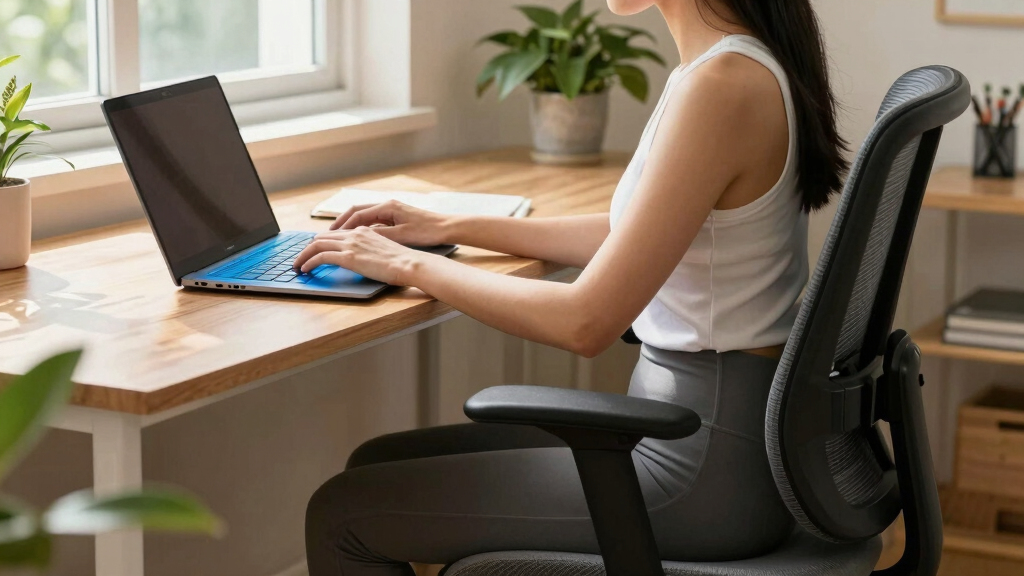
An ergonomic desk chair for students offers adjustable support, promotes good posture, and can prevent back pain. Focus on key features like lumbar support, adjustability, and breathability to find the best fit for your needs.
Imagine sitting for hours with your back aching, neck stiff, and concentration fading. It’s a familiar scene for many students cramming late into the night. The secret to turning this around? The right ergonomic desk chair. It’s not just about comfort — it’s about protecting your body during those long study sessions and helping you stay sharp.
In this guide, you’ll learn what features make a desk chair truly ergonomic for students, recent innovations that can boost your comfort, and practical tips for choosing and adjusting your chair. Because, let’s face it — a good chair can be your best study buddy.
Choose a chair with adjustable height, lumbar support, and armrests to suit your body.
Prioritize chairs with breathable materials and sturdy construction for durability.
Regularly adjust and move during study sessions to prevent stiffness and discomfort.
Recent innovations include smart features and active sitting designs that promote movement.
Investing in a quality ergonomic chair can significantly reduce back pain and boost focus over long study hours.
Why a Good Chair Matters More Than You Think
Ever notice how your back aches after hours of studying? That’s where a quality ergonomic chair steps in. It’s designed to support your spine’s natural curves, reducing strain and fatigue. According to a study from the National Institute for Occupational Safety and Health, poor seating can cause back pain in up to 80% of students who sit for prolonged periods.
Imagine your spine as a gentle S-shape. An ergonomic chair helps keep that shape intact, with lumbar support that cradles your lower back. Without it, you risk slouching or compressing your discs — leading to discomfort, stiffness, and even long-term problems.
So, investing in a good seat isn’t just luxury — it’s a health move. Plus, a comfortable chair can boost focus, making those study hours more effective.
As an affiliate, we earn on qualifying purchases.
Top Features to Look for in an Ergonomic Student Chair
When shopping, keep these features in mind to find a chair that truly supports your body:
- Adjustable height: Ensures your feet rest flat on the floor, reducing pressure on your knees.
- Lumbar support: Supports the natural curve of your lower back, preventing slouching.
- Seat depth and width: Fits your body, avoiding pressure points on thighs or hips.
- Armrests: Adjustable to keep shoulders relaxed, especially when typing or writing.
- Tilt and recline: Promotes movement and reduces stiffness during long sessions.
- Breathable materials: Mesh fabrics help air circulate, keeping you cool.
Choosing a chair with these features isn’t just about comfort; it’s about ensuring your body maintains proper alignment during extended periods of sitting. For instance, a chair with adjustable lumbar support allows you to customize the fit to your lower back’s shape, which is crucial because everyone’s spine curves slightly differently. Seat depth and width are equally important; a seat that’s too deep can pressure the back of your knees, impairing circulation, while one that’s too shallow might not offer enough support. Armrests that are adjustable prevent shoulder tension, especially when typing or writing for hours. Lastly, breathable materials like mesh not only keep you comfortable but also help prevent sweating and discomfort, which can distract you from studying.
adjustable lumbar support office chair
As an affiliate, we earn on qualifying purchases.
As an affiliate, we earn on qualifying purchases.
How to Pick the Perfect Ergonomic Chair in 3 Easy Steps
- Assess your needs: Consider your height, body type, and how long you sit daily. Do you need extra lumbar support or a smaller footprint? Recognizing your specific needs helps narrow down options and avoid overspending on unnecessary features.
- Test the features: Sit in different chairs and adjust them. Pay close attention to whether your feet are flat on the floor, your back feels supported, and your arms rest comfortably without strain. This hands-on approach ensures the chair fits your unique body shape and preferences, which is essential for long-term comfort.
- Check quality and budget: Look for sturdy builds, high-quality materials, and warranties. Remember, a slightly higher investment often pays off in durability and comfort, which can prevent the need for frequent replacements and reduce health risks associated with poor ergonomics.
For example, a student might find a mid-range chair with adjustable lumbar support and a breathable mesh back offers the best combination of comfort and value. Prioritizing these features ensures that your investment supports your health and study habits effectively.
As an affiliate, we earn on qualifying purchases.
Comparison Table: Budget vs. Premium Student Chairs
| Feature | Budget Chairs | Premium Chairs |
|---|---|---|
| Price Range | $100 – $200 | $300 – $600 |
| Adjustability | Limited (height, tilt) | Full (height, lumbar, armrests, tilt) |
| Support | Basic lumbar support | Contoured, customizable lumbar support |
| Materials | Mesh or fabric, less durable | High-quality mesh, leather, or eco-friendly materials |
| Warranty | 6-12 months | 2+ years, often with service options |
While budget chairs may seem appealing due to their lower price, they often come with tradeoffs in durability and support. A $150 chair might suffice for occasional use or short study sessions, but it may lack the necessary adjustments and support for prolonged periods. On the other hand, investing in a premium chair, though pricier, typically offers better ergonomic features, more durable materials, and longer warranties, which can translate into better health benefits and comfort over time. The choice depends on your budget and how intensively you’ll use the chair, but understanding these differences helps you make a more informed decision that aligns with your needs.
As an affiliate, we earn on qualifying purchases.
Simple Tips to Keep Your Back Happy While Studying
Even the best chair won’t do all the work if you forget to sit properly. Here are quick tips to keep your spine happy:
- Adjust your chair every time: Make sure your feet are flat, knees at 90 degrees, and your lower back supported. Regularly re-evaluating your position helps prevent habits that can lead to discomfort.
- Take frequent breaks: Stand, stretch, or walk every 30-45 minutes to reduce stiffness and improve circulation. These breaks are vital because sitting in one position for too long can cause muscle fatigue and strain.
- Use a footrest if needed: If your feet don’t reach the floor comfortably, a small footstool helps maintain proper posture, reducing pressure on your lower back and knees.
- Position your monitor: Keep your screen at eye level to avoid neck strain. Proper monitor placement encourages a neutral head position, which is crucial for preventing headaches and neck pain.
- Stay active: Incorporate movement during study breaks to boost circulation and mental alertness. Small activities like shoulder rolls or walking around can make a significant difference in how your body feels after hours of studying.
Picture yourself shifting in your chair, stretching your arms, feeling the tension melt away — that’s the power of simple habits paired with a good seat. These habits not only protect your body but also enhance your focus and productivity during those long study sessions.
What Are the Latest Innovations in Student Ergonomic Chairs?
Ergonomic chairs for students are evolving fast. Recent models include features like:
- Multi-dimensional adjustments: Chairs now offer height, tilt, lumbar, and armrest adjustments in one device. This integration allows for a more personalized fit, accommodating different body types and preferences, which is essential for comfort and long-term health.
- Eco-friendly materials: Recycled plastics, sustainable fabrics, and biodegradable components are on the rise. These materials not only reduce environmental impact but also often improve the durability and breathability of the chair, making them more sustainable choices.
- Smart technology: Some chairs have sensors that detect posture or sitting time, prompting you to move or adjust. This tech can help develop better sitting habits and prevent the negative effects of prolonged static posture, which is especially beneficial for students who spend hours at their desks.
- Active sitting designs: Wobble bases or dynamic surfaces encourage movement, reducing sedentary risks. These features promote subtle movements that engage core muscles and improve circulation, ultimately supporting better posture during extended study sessions.
- Modern aesthetics: Sleek, minimalistic styles appeal to students who value looks as much as function. The visual design can influence motivation to use the chair regularly and integrate seamlessly into various study environments.
For example, a student using a smart chair might get a gentle reminder after 30 minutes to stand up and stretch, blending comfort with health-conscious tech. These innovations reflect a broader understanding that ergonomic support is not static but evolving to meet the needs of modern students.
How Properly Adjust Your Ergonomic Chair for Best Results
Adjusting your chair correctly is key to reaping its full benefits. Here’s a quick step-by-step:
- Set your seat height: Your feet should rest flat on the floor, with knees at a 90-degree angle. This position ensures proper weight distribution and reduces strain on your lower back and legs.
- Adjust lumbar support: Position it to fill the curve of your lower back, avoiding slouching. Proper lumbar support maintains spinal alignment, preventing fatigue and long-term back issues.
- Set armrest height: Keep shoulders relaxed, elbows close to your sides, and forearms parallel to the ground. Correct armrest height prevents shoulder tension and supports efficient typing or writing posture.
- Recline slightly: Tilt the backrest to about 100-110 degrees to reduce pressure on your spine and discs. Slight recline helps distribute weight evenly and reduces fatigue, especially during extended periods of sitting.
- Check monitor and keyboard: Keep them at eye level and close enough to avoid leaning forward. This positioning aligns your head and neck, preventing strain and promoting sustained focus.
Picture yourself fine-tuning each adjustment until your body feels supported and comfortable — that’s when you know you’ve got it right. Proper adjustment is a dynamic process; as your body or tasks change, so should your chair settings for maximum ergonomic benefit.
Frequently Asked Questions
What features should I look for in an ergonomic chair for students?
Focus on adjustable height, lumbar support, breathable materials, and adjustable armrests. These features help tailor the chair to your body and prevent discomfort during long study hours.
Are ergonomic chairs worth the investment for students?
Yes, especially if you spend several hours a day studying. They can prevent back pain, improve posture, and boost focus, making them a smart long-term choice even on a student budget.
How do I adjust an ergonomic chair properly?
Start with your feet flat on the floor, knees at 90 degrees. Adjust lumbar support to fill your lower back’s curve. Set armrests so your shoulders relax, and tilt the backrest slightly for comfort. Regularly check that your monitor and keyboard are at eye and elbow level.
Can a good ergonomic chair prevent back pain?
While no chair can eliminate all pain, a well-designed ergonomic model significantly reduces the risk of back and neck strain by supporting natural posture and encouraging movement during long study sessions.
What materials are best for comfort and breathability?
Mesh fabrics are popular for their airflow, keeping you cool. High-quality foam cushions provide support without feeling too soft or hard. Look for durable, eco-friendly materials when possible.
Conclusion
Remember: the right chair isn’t just about comfort — it’s about protecting your body while you study. A small investment in ergonomics today pays off with less pain, sharper focus, and more productive days.
So, next time you pick a seat, think of it as your personal health partner. Your back, neck, and future self will thank you — and your grades might, too.
Cold & flu season Picks
humidifiers
As an affiliate, we earn on qualifying purchases.