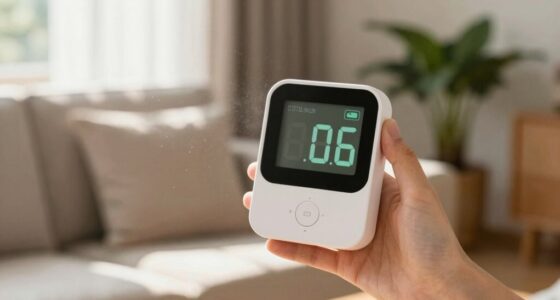
The simple home air framework makes maintaining good indoor air quality easier by combining effective ventilation, regular upkeep, and source control. You can guarantee fresh air gets in while pollutants, moisture, and odors are pushed out or filtered. Using exhaust fans, air filters, and periodic window opening helps keep air clean. Keeping vents clear and systems maintained reduces effort and makes your environment safer. If you want to discover more ways to simplify your home’s air management, keep exploring the options available.

Get health and wellness essentials delivered free — and shop member deals
- Fast, free delivery on millions of items
- Access to Prime Big Deal Days deals on October 6–7
- Prime Video, Amazon Music and more included
Key Takeaways
- Implement a reliable, well-maintained ventilation system to ensure continuous fresh air exchange inside your home.
- Regularly service filters and check vents to prevent blockages and maintain optimal airflow.
- Use supplementary measures like opening windows and exhaust fans to boost natural ventilation and reduce indoor pollutants.
- Incorporate air filtration devices, such as HEPA filters, to capture airborne particles and improve air quality.
- Identify and control indoor pollutant sources for a comprehensive, easy-to-manage approach to healthier indoor air.
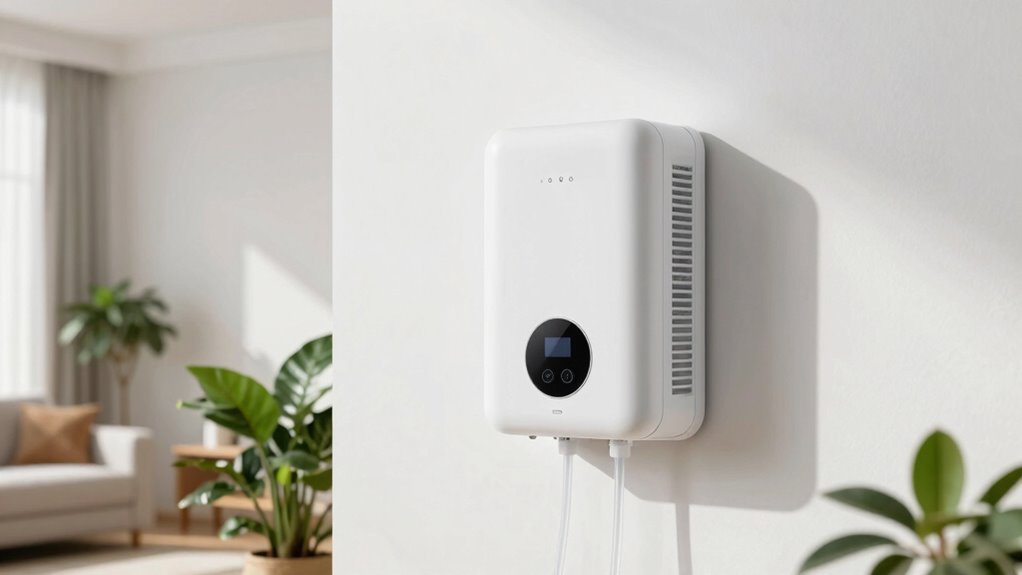
Have you ever wondered how to guarantee clean, healthy air inside your home? It’s a common concern, especially with increasing awareness about indoor air quality. The good news is that creating a simple, effective home air framework doesn’t have to be complicated. It starts with understanding the role of ventilation systems and how they help maintain ideal air quality. Ventilation systems are vital because they continuously exchange stale indoor air for fresh outdoor air, reducing pollutants, moisture, and odors. When properly installed and maintained, these systems guarantee that the air you breathe remains clean and safe, making your home healthier overall.
Ensuring clean indoor air starts with proper ventilation and regular maintenance for a healthier home environment.
A well-designed ventilation system is fundamentally your home’s lungs, working quietly in the background. It pulls in fresh air from outside while exhausting indoor air that may contain allergens, dust, or volatile organic compounds (VOCs). This constant exchange keeps indoor air fresh and prevents buildup of indoor pollutants. If you have a tightly sealed home, which is good for energy efficiency, you’ll need mechanical ventilation to make sure air quality doesn’t suffer. Options such as exhaust fans, heat recovery ventilators (HRVs), or energy recovery ventilators (ERVs) are excellent choices, depending on your climate and needs.
Maintaining good air quality also involves monitoring your indoor environment for signs of poor ventilation. If you notice persistent odors, condensation on windows, or a feeling of stuffiness, it’s time to check your ventilation system. Regularly servicing filters, ensuring vents aren’t blocked, and upgrading your system if necessary can make a significant difference. Simple steps like opening windows periodically or using exhaust fans in kitchens and bathrooms complement your ventilation system, creating a more complete air quality strategy. Additionally, understanding the importance of indoor air quality can help you make more informed decisions about your home environment. Incorporating air exchange rates into your maintenance routine can further enhance your home’s air quality management. Recognizing the impact of pollutant sources within your home can also help you take targeted actions to improve air quality. Moreover, considering the role of air filtration systems can help you reduce airborne particles that ventilation alone might not capture effectively.
In addition, consider the impact of indoor sources of pollutants, such as cleaning chemicals, smoking, or pet dander. Proper ventilation helps mitigate their effects, but reducing source emissions is equally important. Using air purifiers with HEPA filters can further improve air quality by capturing airborne particles that ventilation alone might miss. Incorporating source control methods into your routine can significantly boost your overall indoor air quality. Combining these measures creates a sturdy framework that makes managing indoor air quality straightforward and effective.
Ultimately, the key to simplifying your home’s air management is to focus on reliable ventilation systems and regular upkeep. When these elements work together, you spend less time worrying about indoor pollutants and more time enjoying a fresh, healthy environment. This simple yet strategic approach makes your home safer and more comfortable, proving that a clean, healthy indoor atmosphere isn’t complicated once you understand the basics.
As an affiliate, we earn on qualifying purchases.
Frequently Asked Questions
How Often Should I Maintain My Home Air Framework System?
You should maintain your home air framework system every 3 to 6 months. Regular air filter replacement is vital to keep air quality high and improve system efficiency. If you have pets or allergies, consider replacing filters more often. Proper maintenance extends your system’s lifespan, preventing costly repairs. Keep an eye on performance, and schedule professional check-ups annually to guarantee everything runs smoothly and efficiently.
Can the Framework Improve Indoor Air Quality in Allergy-Prone Homes?
Yes, the framework can improve indoor air quality in allergy-prone homes through air purification. It effectively filters out dust, pollen, pet dander, and other allergens, providing allergy relief. By maintaining the system regularly, you guarantee it runs efficiently, reducing airborne irritants. This creates a cleaner, healthier environment, helping you breathe easier and minimizing allergy symptoms. The framework is a simple, proactive way to enhance your home’s air quality daily.
Is the Framework Suitable for Both Small and Large Homes?
Yes, the framework suits both small and large homes because it offers system scalability. You can tailor the setup to match your home size, ensuring efficient air quality management regardless of space. For smaller homes, a compact system works well, while larger homes benefit from a more extensive configuration. You get a flexible, effective solution that adapts to your needs, making indoor air quality maintenance straightforward no matter your home’s size.
What Is the Typical Cost of Installing the Home Air Framework?
The typical cost of installing the home air framework varies based on factors like size and complexity, but expect to spend anywhere from $2,000 to $8,000. Consider cost considerations such as equipment quality and professional or DIY installation. If you’re handy, DIY installation can save money, but make certain you follow instructions carefully to avoid issues. Consulting with a professional helps ensure proper setup and long-term efficiency.
Does the Framework Require Professional Installation or Can I Do It Myself?
You can definitely try DIY installation for the home air framework, but it’s like assembling furniture—you might need some help. While some handy homeowners succeed, many find professional assistance guarantees everything’s correctly fitted and functioning at its best. If you’re comfortable with basic tools, you could give it a shot, but consulting a professional guarantees safety and efficiency, especially if you’re unfamiliar with HVAC systems.
As an affiliate, we earn on qualifying purchases.
Conclusion
With the Home Air Framework, you’re not just cleaning the air—you’re creating a sanctuary where every breath feels like a refreshing gust on a spring morning. Think of it as shaping an invisible shield that keeps pollutants at bay, making your home a cozy, healthy haven. By simplifying your air quality routine, you’re turning your space into a revitalizing inhale—literally. Embrace the system, and breathe easier every day.
As an affiliate, we earn on qualifying purchases.
energy recovery ventilator (ERV)
As an affiliate, we earn on qualifying purchases.
As an affiliate, we earn on qualifying purchases.
Fall Picks
fall essentials
As an affiliate, we earn on qualifying purchases.