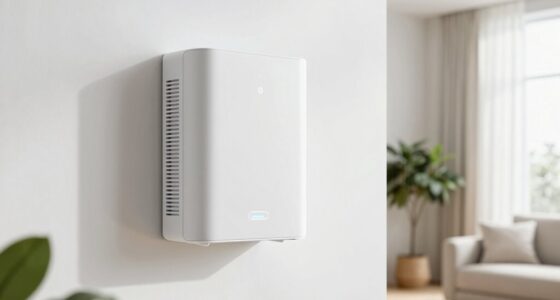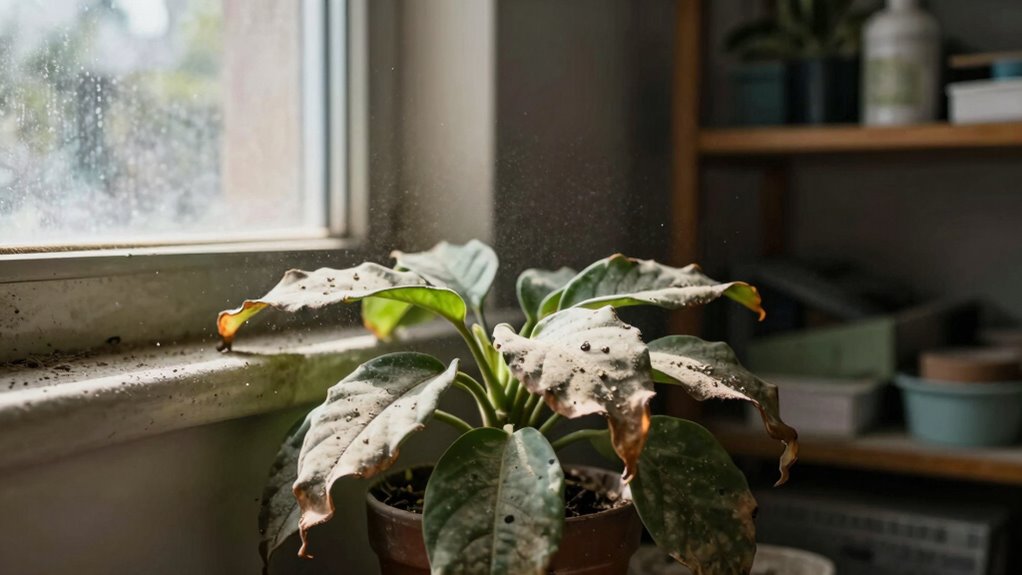

Indoor smoking is one habit that can severely ruin your indoor air quality. The harmful particles from cigarette smoke linger long after the habit, contaminating surfaces and affecting air you breathe. Residue coats walls, furniture, and carpets, posing ongoing health risks, especially to children and pets. These pollutants can lead to respiratory issues and persistent odors. Want to discover strategies to improve your indoor environment? There’s more you can do for a healthier home.
Open a free Amazon Business account
Business pricing, bulk buying and tax-exempt orders.
As an affiliate, we earn on qualifying purchases.
Key Takeaways
- Indoor smoking releases harmful particles and chemicals, significantly worsening indoor air quality and contributing to air pollution.
- Residual smoke contaminates surfaces and fabrics, releasing toxic substances long after the smoke has cleared.
- Secondhand smoke exposure can lead to serious health issues, particularly for children and sensitive individuals, increasing risks of respiratory diseases.
- Proper ventilation, air purifiers, and regular cleaning are essential to mitigate the harmful effects of indoor smoking on air quality.
- Promoting smoke-free environments and exploring alternatives like vaping can significantly improve indoor air quality and overall health.
HEPA air purifier for smoke removal
As an affiliate, we earn on qualifying purchases.
As an affiliate, we earn on qualifying purchases.
The Hidden Dangers of Indoor Smoking

While you may think smoking indoors only affects the smoker, the reality is far more concerning. Nicotine contamination seeps into surfaces, fabrics, and even the walls, creating a toxic environment for everyone in the space. As smoke infiltrates your home, it doesn’t just linger in the air; it attaches itself to various materials, making it difficult to remove. This means that even if you stop smoking, the harmful residues remain, posing health risks to family members and pets. Additionally, higher contrast ratios in the environment can further exacerbate the visibility of smoke stains on walls, making it clear just how pervasive the issue is. Children, in particular, are vulnerable to these hidden dangers, as their developing bodies absorb toxins more readily. By choosing to smoke indoors, you’re not just harming yourself; you’re also jeopardizing the health of those around you. Furthermore, using effective air purifiers can significantly reduce the harmful effects of indoor pollutants, promoting a healthier living environment. Additionally, exposure to secondhand smoke can lead to serious health issues such as respiratory problems in children and other non-smokers. Furthermore, the role of palliative care in addressing health issues related to tobacco exposure can provide essential support for affected families. Understanding how to achieve financial goals can also be beneficial for those dealing with health-related expenses stemming from smoking.
As an affiliate, we earn on qualifying purchases.
How Cigarette Smoke Affects Indoor Air Quality
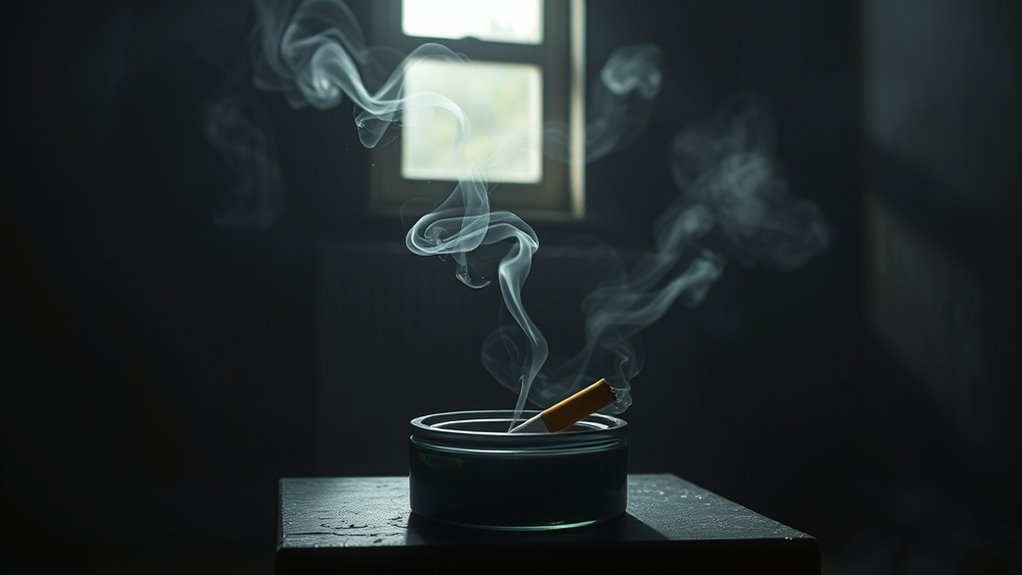
Cigarette smoke dramatically compromises indoor air quality, introducing a cocktail of harmful chemicals that linger long after the last puff. When you smoke indoors, nicotine accumulation occurs, coating surfaces and creating a persistent hazard. This buildup doesn’t just affect you; it impacts everyone who enters the space. Smoke infiltration also plays a significant role, allowing the toxic components to seep into ventilation systems and other rooms, further spreading the pollutants. Even if you step outside for a quick smoke, the damage has already been done. The lingering odor and harmful particles can stay trapped in fabrics and walls, making it difficult to breathe clean air. Reducing or eliminating smoking indoors is essential for maintaining a healthier indoor environment. Furthermore, natural filtration systems can significantly improve indoor air quality by removing pollutants and promoting a healthier atmosphere. Implementing effective air circulation practices can also help mitigate some of the harmful effects of smoke. Additionally, proper ventilation is crucial for reducing the concentration of airborne toxins and ensuring cleaner indoor air. Regular cleaning of surfaces and fabrics can help minimize the impact of smoke residues and enhance overall air quality.
wall and fabric stain remover for smoke residue
As an affiliate, we earn on qualifying purchases.
As an affiliate, we earn on qualifying purchases.
The Long-Lasting Effects of Tobacco Residue

Tobacco residue clings to surfaces long after the smoke has cleared, creating ongoing health risks that aren’t immediately visible. You might think your indoor air is safe, but this residue can lead to persistent indoor contamination. It settles on walls, furniture, and even carpets, where it releases harmful chemicals over time. These toxins can affect everyone in your home, especially children and pets, who are more vulnerable to the effects of these pollutants. Regular cleaning might not be enough to eliminate tobacco residue completely. Consider deep cleaning or even professional remediation to tackle this hidden danger. By addressing tobacco residue, you can markedly improve your indoor air quality and safeguard your loved ones from its adverse effects. Additionally, understanding the importance of indoor air quality can help you take proactive steps to maintain a healthier living environment. Implementing deep-cleaning techniques can further enhance your efforts in removing these harmful residues. Investing in proper ventilation systems can also significantly reduce the lingering effects of tobacco smoke in your home. In fact, maintaining good indoor air quality is crucial for overall health, as it directly impacts respiratory function and general well-being. Furthermore, utilizing smart appliances equipped with air purification technology can greatly enhance your efforts in ensuring cleaner air throughout your home.
As an affiliate, we earn on qualifying purchases.
Health Risks Associated With Secondhand Smoke

Have you ever considered how secondhand smoke can impact your health? It’s not just a nuisance; it poses real threats to your well-being. Here are three key health risks associated with exposure to secondhand smoke:
- Lung Health Issues: Breathing in secondhand smoke can lead to respiratory problems like asthma and bronchitis, especially in children.
- Increased Cancer Risk: Even short-term exposure can increase your chances of developing lung cancer and other related diseases.
- Allergy Triggers: Secondhand smoke can exacerbate allergy symptoms and trigger reactions in sensitive individuals, making it harder to breathe and function.
Being aware of these risks can motivate you to create a healthier indoor environment for yourself and your loved ones.
Strategies for Reducing Indoor Air Pollution
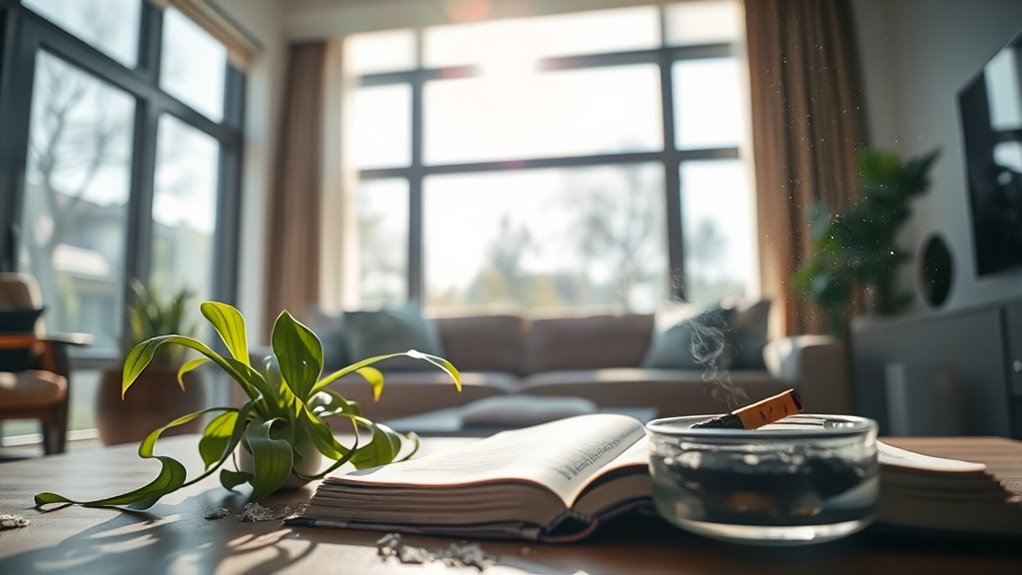
To reduce indoor air pollution, you should start by improving ventilation in your space. Opening windows and using exhaust fans can help circulate fresh air. Additionally, investing in air purifiers can markedly enhance the quality of the air you breathe. Moreover, adopting safer riding habits when commuting can also minimize pollutants brought into your home from outside. Ensuring that your home is equipped with modern gadgets like smart air quality monitors can provide real-time insights into your indoor environment. Furthermore, utilizing air purifiers can help eliminate airborne contaminants effectively. Regularly checking and cleaning filters in your air purifiers is crucial for maintaining their efficiency. A well-ventilated home can significantly reduce indoor air pollution levels, making your environment healthier and more comfortable.
Improve Ventilation Regularly
Although many people underestimate its importance, improving ventilation regularly is crucial for maintaining healthy indoor air quality. You can enhance your airflow management and reduce indoor pollutants by adopting better ventilation habits. Here are three strategies to contemplate:
- Open windows: Let fresh air in by opening windows whenever weather permits. This simple act can considerably boost air circulation. Additionally, maintaining adequate air quality through proper ventilation can significantly reduce indoor air pollution levels, similar to how eucalyptus oil acts as a powerful decongestant. Regularly improving ventilation can also help you stay informed about at-home beauty technology, which can further enhance your overall well-being.
- Use exhaust fans: Activate kitchen and bathroom exhaust fans to remove stale air and moisture, which helps prevent mold growth.
- Install air vents: Ensure your home has adequate air vents to promote consistent airflow throughout all rooms.
Use Air Purifiers
How can you effectively reduce indoor air pollution? One of the best strategies is to use air purifiers. These devices filter out harmful particles, allergens, and pollutants, markedly improving your indoor air quality. To get the most out of your air purifier, you must stay on top of air purifier maintenance. This means regularly replacing filters and cleaning the unit as needed. A well-maintained air purifier works efficiently, ensuring you breathe cleaner air. Consider placing purifiers in high-traffic areas or rooms where you spend the most time. By investing in quality air purifiers and maintaining them properly, you’ll create a healthier living environment and enjoy the benefits of fresher air all year round.
Effective Cleaning Techniques to Combat Smoke Residue

When smoke invades your space, effective cleaning techniques become essential to restore indoor air quality. To tackle smoke residue effectively, consider these steps:
- Air Duct Cleaning: Start by cleaning your air ducts. This helps remove trapped smoke particles, improving airflow and reducing lingering odors.
- Surface Cleaning: Use a mixture of vinegar and water to wipe down surfaces. This natural solution helps break down smoke residue and eliminates unpleasant smells.
- Deep Cleaning Fabrics: Wash curtains, couch covers, and other fabrics that may have absorbed smoke. For tougher stains, consider professional cleaning services for thorough residue removal.
Alternatives to Smoking Indoors for a Healthier Home
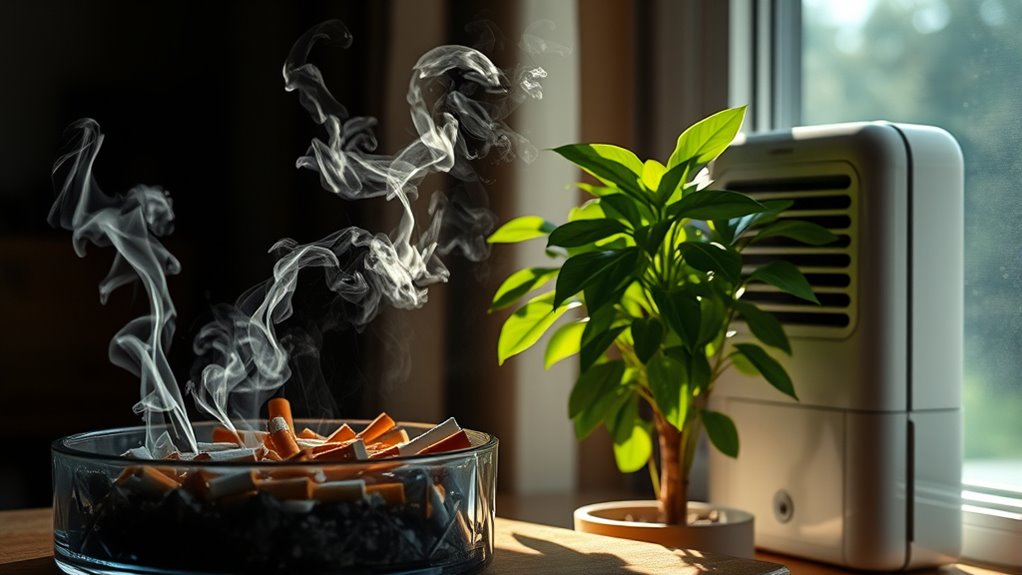
Finding healthier alternatives to smoking indoors can considerably enhance your home’s air quality and your overall well-being. Instead of lighting up a cigarette, consider using alternative nicotine products, like vaping or nicotine patches. These options can satisfy your cravings without polluting your indoor environment. Additionally, creating smoke-free zones in your home can encourage healthier habits. Designate specific areas where smoking is not allowed, promoting a cleaner atmosphere for everyone. You could also explore herbal alternatives or non-nicotine options that provide a similar experience without harmful effects. By making these changes, you’ll not only improve your indoor air quality but also contribute to a healthier lifestyle for you and your loved ones. Make the switch today for a gust of fresh air!
Frequently Asked Questions
How Can I Tell if My Home Has Tobacco Smoke Residue?
To tell if your home has tobacco smoke residue, look for yellowish stains on walls, ceilings, or fabrics. You can use detection methods like a black light, which reveals hidden residue, or a smell test to identify lingering odors. If you notice a strong, stale scent, it’s likely there’s smoke residue present. Consider hiring a professional for a thorough assessment if you’re uncertain about the extent of the contamination.
What Are the Symptoms of Exposure to Secondhand Smoke?
You might notice symptoms like coughing or eye irritation after being exposed to secondhand smoke, similar to how Sarah felt during her friend’s party. Health effects can range from headaches to more severe issues like respiratory infections. Sensory indicators often include a lingering smell or a burning sensation in your throat. If you experience these signs, it’s essential to address the source and protect your health from ongoing exposure.
Can Air Purifiers Eliminate Cigarette Smoke Particles?
Yes, air purifiers can help eliminate cigarette smoke particles, but their effectiveness varies. Look for models with HEPA filters and activated carbon, as they’re designed for smoke particle filtration. You’ll notice a difference in air quality, reducing odors and harmful particulates. However, remember that while air purifiers improve indoor air, they shouldn’t replace eliminating the source of smoke. Regular maintenance of the purifier is vital for peak performance.
How Often Should I Clean Surfaces to Reduce Smoke Residue?
You should clean surfaces at least once a week to effectively reduce smoke residue. Studies show that regular surface cleaning can decrease airborne pollutants by up to 50%. By incorporating dust removal into your routine, you’ll not only improve your indoor air quality but also create a healthier environment. Don’t forget high-touch areas like tables and countertops; they collect residue quickly. A consistent cleaning schedule makes a big difference in your home’s air quality!
Are There Plants That Help Improve Indoor Air Quality?
Yes, there are several indoor plants that can improve air quality. Spider plants, peace lilies, and snake plants are great options. They absorb toxins like formaldehyde and benzene while releasing oxygen, making your home feel fresher. By placing a few of these plants around, you’ll not only enhance the aesthetics of your space, but you’ll also create a healthier environment. So, go ahead and bring some greenery indoors for better air quality!
Conclusion
In summary, allowing indoor smoking can really take a toll on your air quality and health. It’s not just about lighting up; the lingering effects of tobacco can stick around long after the smoke clears. By taking steps to reduce exposure and opting for healthier alternatives, you can breathe easy at home. Remember, it’s better to nip this habit in the bud before it leads to bigger problems down the line. Your lungs will thank you!
Flea & tick season Picks
flea and tick prevention
As an affiliate, we earn on qualifying purchases.