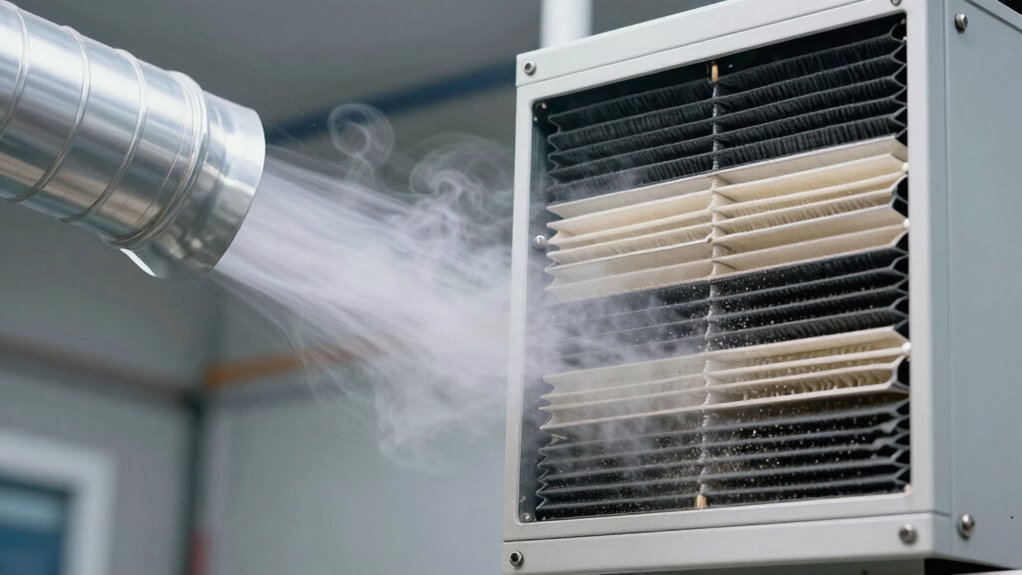

Ventilation and filtration both improve indoor air quality, but they serve different roles. Ventilation brings in fresh air and expels stale air, while filtration captures specific pollutants and allergens from the air. Fresh air enhances comfort and health, whereas filtration focuses on removing harmful particles. Understanding these differences helps you maintain a healthier indoor environment. Stick around, and you’ll discover more about how to effectively use both systems together for ideal air quality.
Listen free for 30 days with Audible
Thousands of audiobooks and originals — cancel anytime.
As an affiliate, we earn on qualifying purchases.
Key Takeaways
- Ventilation focuses on air exchange, bringing in fresh outdoor air and exhausting stale indoor air to improve overall air quality.
- Filtration captures specific contaminants like dust, pollen, and chemicals to cleanse the air at a micro level, enhancing indoor air quality.
- Ventilation is about maintaining airflow and environmental control, while filtration emphasizes removing particular pollutants from the air or water.
- Both systems work together to create a healthier indoor environment, but they serve distinct functions with different components and processes.
- Proper maintenance of both ventilation and filtration systems is crucial for optimal performance, ensuring effective air quality and energy efficiency.
As an affiliate, we earn on qualifying purchases.
Understanding Ventilation: Definition and Purpose

Have you ever wondered how fresh air circulates in a space? Ventilation plays a vital role in ensuring proper air exchange, enhancing indoor airflow, and maintaining a healthy environment. It’s the process of introducing outdoor air into a building while expelling stale indoor air. By creating a balance between fresh air intake and indoor air release, ventilation helps reduce pollutants and odors, making your living space more comfortable. Different systems, like natural ventilation or mechanical systems, can optimize this air exchange. Understanding how ventilation works not only improves air quality but also contributes to energy efficiency. Additionally, better indoor air can be achieved through effective ventilation practices. Incorporating air purifiers into your ventilation strategy can further enhance the quality of air in your home. Furthermore, using natural ventilation methods can be an energy-efficient way to maintain a comfortable indoor climate. In high-heat outdoor cooking, effective temperature control through proper ventilation is essential to ensure safety and optimal cooking conditions. Moreover, the use of deep-sky imaging techniques can also benefit from proper environmental conditions, including effective ventilation. So, take a moment to reflect on the significance of effective ventilation in your home or workplace. Your well-being depends on it!

LEVOIT Air Purifier for Home Allergies and Pets Hair Smokers in Bedroom, H13 True HEPA Filter, 24db Filtration System Cleaner Odor Eliminators, Remove 99.97% Dust Smoke Mold Pollen, Core 300, White
- AHAM Verified for Performance: Independently tested for air quality and efficiency
- Powerful Filtration System: 56W motor with 143 CFM CADR
- Effective for Large Rooms: Cleans 222 sq ft 4.8 times/hour
As an affiliate, we earn on qualifying purchases.
As an affiliate, we earn on qualifying purchases.
The Importance of Fresh Air in Indoor Spaces
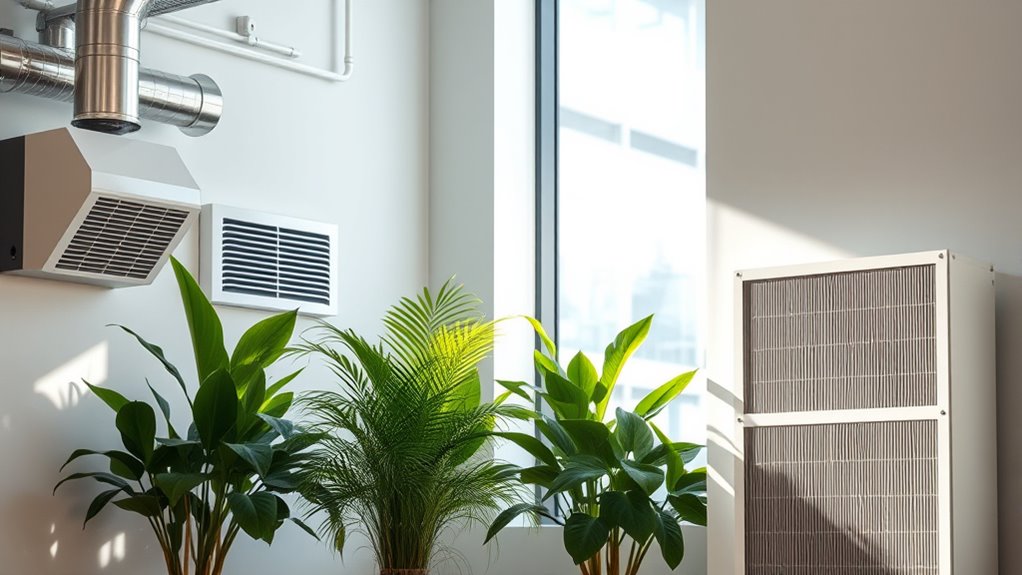
You might not realize how vital fresh air is for your health and well-being. It not only helps improve indoor air quality but also boosts your mood and cognitive function. Bringing in fresh air can make a significant difference in how you feel in your indoor spaces.
Health Benefits of Fresh Air
How essential is fresh air to our health in indoor environments? Fresh air plays a crucial role in maintaining your well-being. It promotes adequate air exchange, ensuring that stale air is replaced with oxygen-rich air. This process is *indispensable* for your respiratory health, as it helps reduce the concentration of indoor pollutants.
When fresh air circulates through your space, it facilitates pollutant removal, lowering the risk of headaches, fatigue, and respiratory issues. You’ll likely notice improved concentration and mood, too. *Furthermore,* fresh air can boost your immune system, making you less susceptible to illnesses. By prioritizing fresh air in your indoor environments, you’re not just breathing easier; you’re investing in your overall health and vitality.
Enhancing Indoor Air Quality
What makes fresh air so essential for enhancing indoor air quality? Fresh air promotes better air circulation and helps maintain a healthy environment. When you introduce fresh air into your space, you contribute to odor removal and minimize indoor pollutants. Here are four key benefits of fresh air for your indoor environment:
- Improved Respiratory Health: Fresh air reduces allergens and irritants, promoting easier breathing. Additionally, ensuring proper ventilation systems can further improve air quality. Maintaining a high refresh rate of air circulation can also enhance overall comfort and health. Incorporating natural airflow solutions can significantly aid in achieving optimal ventilation. Furthermore, studies indicate that astrology and attractiveness can impact emotional states, which may further influence respiratory health.
- Enhanced Mood and Productivity: A well-ventilated space can boost your mood and increase focus.
- Odor Removal: Fresh air helps eliminate stale odors, making your space more pleasant.
- Reduced Moisture Levels: Good air circulation prevents mold growth by regulating humidity. Moreover, a connection to nature as a tool for emotional healing can enhance your overall well-being in indoor spaces.

Amico 10" Shutter Exhaust Fan, Remote 9-Speed 13W DC Motor, 1000 CFM
- Energy-efficient DC Motor: Reduces utility bills by 76%
- 9-Speed Remote Control: Adjust airflow easily with remote
- Smart Timer Function: Set automatic operation for up to 8 hours
As an affiliate, we earn on qualifying purchases.
As an affiliate, we earn on qualifying purchases.
Exploring Filtration: What It Is and How It Works
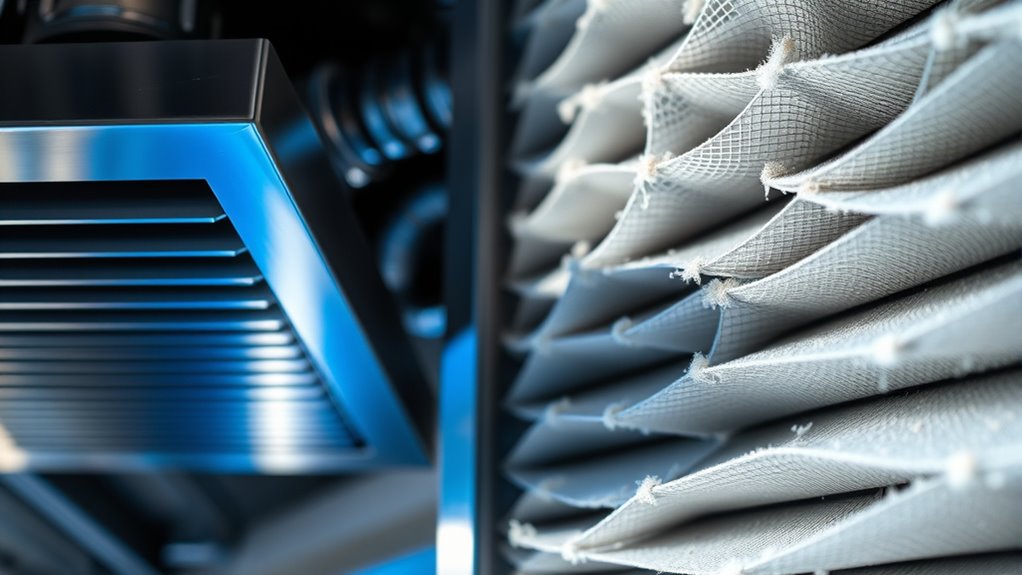
Filtration is a key process that helps remove unwanted particles from the air you breathe. You’ll find various filtration methods, each designed to tackle specific contaminants effectively. Understanding the benefits of filtration can help you choose the right system for maintaining a healthy indoor environment. Attention to detail is crucial for ensuring that your filtration systems are effective and reliable. Additionally, considering seasonal events and promotions can enhance your overall experience with air quality improvement products. Incorporating auditory feedback therapy techniques can also help improve communication in environments where air quality is a concern. For instance, many professionals prioritize rare book appraisal techniques to ensure their collections are preserved in optimal conditions, highlighting the importance of effective filtration in maintaining air quality.
Definition of Filtration
Understanding filtration is vital for grasping how air and water quality can be improved. Filtration refers to the process of removing contaminants from a substance, particularly air or water, using various types of filter media. This process is essential for guaranteeing you breathe clean air and drink safe water. Additionally, many innovative European cloud servers utilize advanced filtration systems to ensure optimal air quality in data centers, thereby promoting sustainable and secure solutions.
Here are four key aspects of filtration:
- Airborne Particles: Filtration effectively captures dust, pollen, and other airborne particles.
- Filter Media: Different materials are used, such as activated carbon or HEPA filters, to enhance filtration efficiency.
- Flow Rate: The speed at which air or water passes through the filter affects its effectiveness.
- Maintenance: Regularly changing or cleaning filters guarantees peak performance and prolongs their lifespan.
Filtration Methods Explained
Different filtration methods cater to various needs and environments, each with unique mechanisms to purify air and water. For instance, mechanical filters physically trap particles, while activated carbon filters absorb contaminants. You’ll find UV filters effectively kill bacteria and viruses, making them ideal for water purification. Incorporating smart home technology can enhance your filtration systems by optimizing their performance and integration with other devices.
When choosing a filtration system, consider your ventilation system design; it should complement the filter type for maximum performance. Regular air filter maintenance is essential to guarantee efficiency, as clogged filters can hinder airflow and reduce effectiveness. By understanding these methods, you can select the right filtration for your specific requirements, enhancing air and water quality in your home or workplace.
Benefits of Filtration
How can you guarantee the air and water in your home are clean and safe? Filtration systems are your best bet, offering numerous benefits that enhance your living environment. Here are four key advantages:
- Improved Air Quality: An air purifier removes dust, allergens, and pollutants, ensuring you breathe easier.
- Health Benefits: Cleaner air can reduce respiratory issues and allergies, promoting overall well-being.
- Odor Reduction: Filtration helps eliminate unpleasant smells, keeping your home fresh.
- Filter Maintenance: Regularly maintaining your filters ensures they function effectively, prolonging their lifespan and improving efficiency.
Investing in filtration systems means investing in your health and comfort. Don’t overlook the importance of filters in creating a safe haven for you and your family.

Amazon Basics 14x20x1 Air Filter, MERV 8 AC Furnace Filters, Allergen Control , Electrostatic, Removes Dust Pollen and Lint, 6-Pack (Actual Size: 13.75" x 19.75" x 0.75")
- Enhanced Air Quality: Captures dust, pollen, and lint
- Improves Furnace Efficiency: Traps particles to protect system
- Durable Construction: Beverage board frame and wire mesh
As an affiliate, we earn on qualifying purchases.
As an affiliate, we earn on qualifying purchases.
Common Types of Air Filters and Their Functions

When you consider improving your indoor air quality, knowing the common types of air filters and their functions can make a substantial difference. HEPA filters are among the most effective options, capturing 99.97% of particles as small as 0.3 microns, including dust, pollen, and pet dander. If you’re looking to eliminate odors and harmful chemicals, activated carbon filters are your best bet. They absorb volatile organic compounds (VOCs) and other gases, making your space smell fresher and cleaner. In many cases, a combination of both HEPA and activated carbon filters provides thorough protection against pollutants. Understanding cookie categories helps you choose the right one for your needs, enhancing your home’s air quality markedly. Additionally, incorporating best waterwick pots can help maintain a healthy environment by naturally increasing humidity levels around indoor plants. Investing in high-quality espresso machines can also contribute to a pleasant atmosphere with the rich aroma of freshly brewed coffee. To further enhance your indoor environment, consider using smart gear that can monitor air quality and alert you to any changes. Regularly checking the integrity of filters ensures they function effectively, preventing the accumulation of harmful particles.
Key Differences Between Ventilation and Filtration

While both ventilation and filtration are essential for maintaining indoor air quality, they serve distinct purposes in your space. Understanding these differences can help you optimize your indoor environment.
Ventilation and filtration are vital for indoor air quality, each playing a unique role in creating a healthier environment.
- Ventilation focuses on air exchange, bringing fresh outdoor air into your space while exhausting stale indoor air.
- Filtration emphasizes air purification, removing contaminants and particles from the air you breathe.
- Ventilation systems often require ducts and fans to facilitate airflow, whereas filtration systems rely on filters to clean the air.
- Effective ventilation can reduce humidity and odors, while filtration enhances overall air quality by trapping dust, allergens, and pollutants. Additionally, proper ventilation considerations are crucial for ensuring that your sauna and cold plunge systems function effectively.
The Role of Ventilation in Energy Efficiency
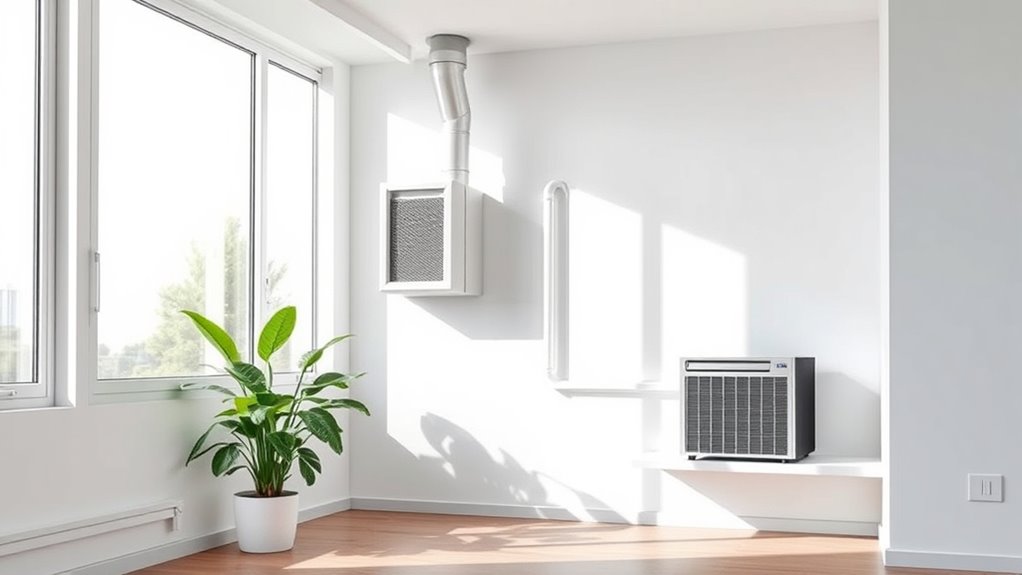
Ventilation plays a crucial role in enhancing energy efficiency in your indoor environment, as it helps regulate temperature and humidity levels. Proper air exchange ensures that you’re bringing in fresh air while expelling stale air, contributing to a comfortable living space. With effective airflow control, you can minimize the need for excessive heating or cooling, ultimately lowering your energy bills. By strategically managing how air moves in and out of your home, you can create a balance that promotes energy savings. Additionally, using natural ventilation methods, like opening windows during cooler hours, can further enhance efficiency without relying solely on mechanical systems. Prioritizing ventilation not only boosts comfort but also supports sustainable energy practices.
How Filtration Enhances Indoor Air Quality
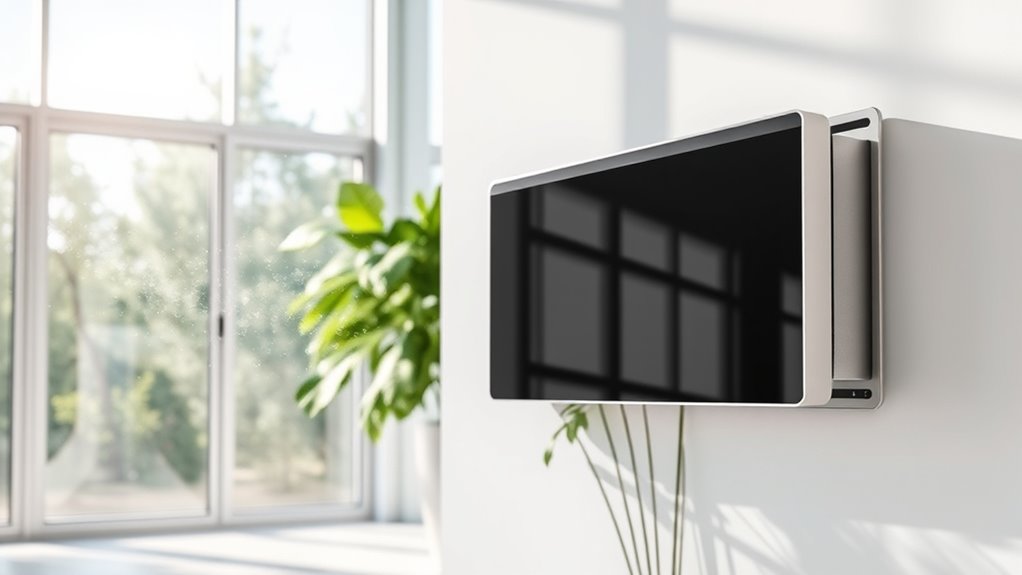
How can you guarantee that the air you breathe indoors is clean and healthy? Filtration plays a crucial role in enhancing indoor air quality. By implementing effective air purifier technology, you can effectively reduce pollutants, allergens, and contaminants. Here are four ways filtration enhances your indoor environment:
- Removes Allergens: Filters capture dust, pollen, and pet dander, helping to alleviate allergy symptoms.
- Eliminates Odors: Activated carbon filters absorb unpleasant smells from cooking, pets, and smoke.
- Reduces Particulate Matter: High-efficiency filters trap fine particles that can harm respiratory health.
- Ensures Filter Maintenance: Regularly changing your filters is vital for optimal performance and air quality.
Best Practices for Combining Ventilation and Filtration
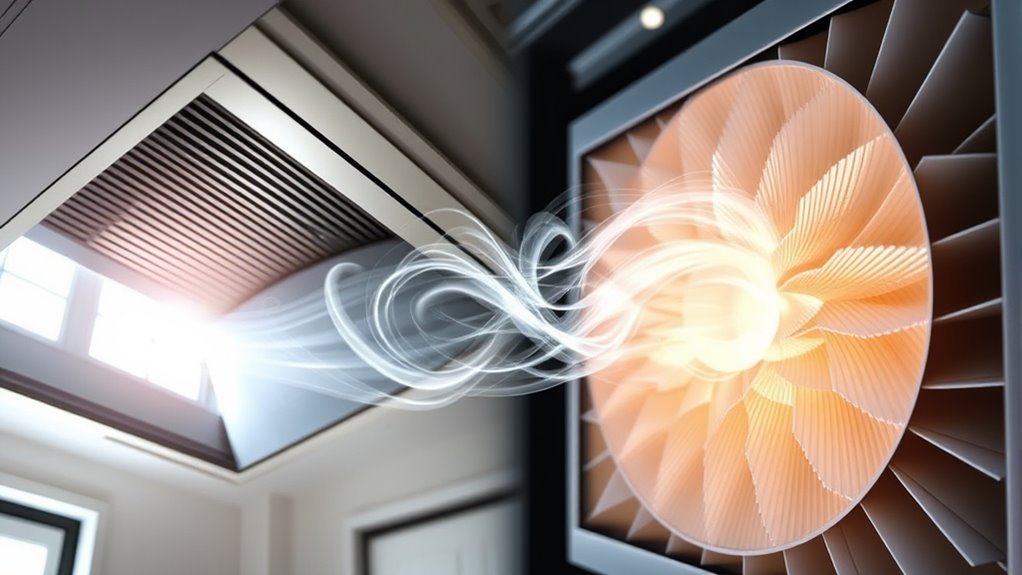
Integrating ventilation and filtration can markedly improve your indoor air quality. To achieve ideal results, guarantee you balance air exchange with effective filtration. Start by selecting high-efficiency filters that capture smaller particles, helping to enhance the air you breathe. Regular filter maintenance is vital; check and replace filters according to the manufacturer’s guidelines to maintain airflow and efficiency.
Additionally, consider the layout of your ventilation system. Position intake and exhaust vents strategically to promote effective air circulation throughout your space. Monitor humidity levels, as excessive moisture can reduce filter effectiveness. Finally, perform routine inspections of your system to identify any issues early on. By combining these best practices, you’ll create a healthier indoor environment for you and your family.
Frequently Asked Questions
Can Ventilation Reduce Indoor Humidity Levels Effectively?
Yes, ventilation can effectively diminish indoor humidity levels. By allowing fresh air to flow in and stale air to flow out, you’re enhancing moisture management in your space. This process helps control humidity, especially in areas prone to excess moisture, like kitchens and bathrooms. To maximize its benefits, guarantee your ventilation system is properly designed and maintained. You’ll notice a significant improvement in your indoor air quality and comfort levels.
How Often Should Air Filters Be Replaced?
You should replace your air filters every 1 to 3 months, depending on your air filter lifespan and usage. If you have pets or live in a dusty area, you might need to change them more frequently. Regularly checking your filters helps maintain good air quality and ensures your HVAC system runs efficiently. Don’t forget to set reminders so you won’t overlook this important maintenance task!
Is Mechanical Ventilation Better Than Natural Ventilation?
You might think natural ventilation‘s the way to go, but mechanical ventilation often reigns supreme when it comes to indoor air quality. It allows precise control over airflow and filtration, ensuring you breathe cleaner air. While natural methods rely on outside conditions, mechanical systems can operate regardless of weather, giving you consistent results. So, if you want ideal air quality and reliability, you’ll likely find mechanical ventilation’s advantages hard to beat.
What Are Signs of Poor Ventilation in a Space?
If you notice stuffy air, excessive humidity, or condensation on windows, you’re likely experiencing poor ventilation. A lack of air exchange can lead to musty odors and an increase in allergens. You might also see stale airflow patterns, where air doesn’t circulate properly. These signs indicate that fresh air isn’t getting in, which can affect your comfort and health. Addressing these issues can considerably improve your indoor environment.
Do Air Purifiers Replace the Need for Ventilation?
No, air purifiers don’t replace the need for ventilation. While they help improve indoor air quality by filtering out pollutants, they can’t provide fresh air from outside. Regular HVAC maintenance and airflow optimization are vital for ensuring proper ventilation in your space. You need a balance of both systems to create a healthy environment. Relying solely on air purifiers may leave you with stale air, which can lead to health issues.
Conclusion
In the world of indoor air quality, think of ventilation and filtration as a dynamic duo, like a dance team. Ventilation brings in fresh air, while filtration cleans it up. Just like a perfectly choreographed routine, they need to work together to create a healthy environment. By understanding their unique roles, you allow your indoor space to breathe and thrive. So, embrace the rhythm of both and enjoy the fresh, clean air that makes your home a haven.
College move-in / dorm season Picks
dorm essentials
As an affiliate, we earn on qualifying purchases.