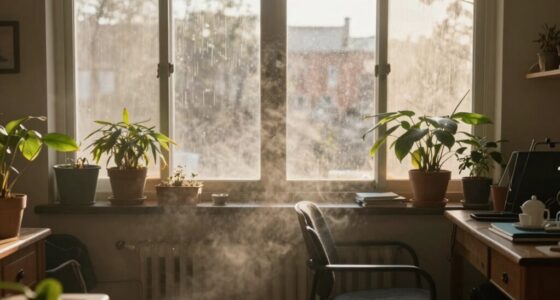
Indoor air in apartments isn’t just about what you breathe inside your unit; shared walls, vents, and gaps let pollutants, odors, and allergens travel easily between units. This hidden shared-air problem makes controlling indoor air quality challenging, especially since activities in neighboring units can affect your health. Limited ventilation and common chemical use further complicate things. To better understand how to improve your environment, explore how shared air impacts your space and options for cleaner air.
Key Takeaways
- Shared walls, vents, and gaps allow pollutants, odors, and allergens to transfer between apartment units, impacting indoor air quality.
- Limited natural ventilation and sealed environments can trap indoor pollutants, causing buildup and health issues.
- Activities in neighboring units, like smoking or chemical use, can infiltrate shared air pathways, affecting residents’ air quality.
- Mold, bacteria, and dust mites from shared air circulation can spread across units, worsening indoor contamination.
- Improving indoor air quality requires enhanced ventilation, air purifiers, and communication with building management despite shared-air challenges.

Have you ever wondered about the quality of the air you breathe inside your apartment? It’s easy to overlook, especially when everything seems clean and comfortable. But indoor air can harbor pollutants that affect your health, and the problem isn’t just about what’s in your own space—it’s also about the shared air between you and your neighbors. Apartments are unique environments where air circulates through shared walls, ventilation systems, and open windows, creating a complex web of indoor air quality issues. This shared-air dynamic means that pollutants, odors, and allergens can easily travel from one unit to another, making it difficult to control what you’re actually breathing.
One of the main sources of indoor air pollution in apartments is the ventilation system itself. Many buildings rely on centralized or inadequate ventilation, which can trap indoor pollutants inside your unit. For example, cooking fumes, tobacco smoke, pet dander, and cleaning chemicals all linger longer when ventilation isn’t sufficient. If your neighbors are smoking or using strong chemicals, those particles can seep through walls, vents, or gaps, infiltrating your space and compromising your indoor air quality. Even if you’re meticulous about cleaning and reducing pollutants, shared air pathways can undo your efforts, exposing you to harmful substances beyond your control.
Additionally, apartments often have limited natural airflow, especially in older buildings or units with sealed windows. Without proper ventilation, pollutants accumulate, and stale air becomes a breeding ground for mold, bacteria, and dust mites. These microscopic allergens can cause respiratory issues, allergies, or worsen asthma. Because air moves between units, mold spores from a neighbor’s bathroom or kitchen can drift into your space, and vice versa, creating a cycle where harmful agents circulate constantly. This shared environment makes it almost impossible to isolate yourself from airborne hazards unless you take specific steps. Enhancing your understanding of shared-air dynamics can empower you to better protect your health.
Furthermore, apartment living can mean dealing with the unavoidable noise and activity from neighbors, which isn’t just a disturbance but can also contribute to indoor air quality issues. For instance, loud cooking or smoking can increase airborne particles, and the use of air fresheners or chemical sprays to mask odors adds to indoor chemical load. The shared nature of apartment buildings makes it challenging to pinpoint the source of pollution or eliminate it entirely. You may find yourself constantly battling unseen, shared airborne contaminants that are beyond your immediate control, yet directly impact your well-being.
Ultimately, understanding this shared-air problem highlights the importance of improving your apartment’s ventilation, using air purifiers, and communicating with building management about air quality concerns. Recognizing that your indoor air isn’t just about your personal habits but also about the shared environment around you can help you take more effective steps toward creating a healthier living space.

LEVOIT Air Purifier for Home Allergies and Pets Hair Smokers in Bedroom, H13 True HEPA Filter, 24db Filtration System Cleaner Odor Eliminators, Remove 99.97% Dust Smoke Mold Pollen, Core 300, White
- AHAM Verified for Performance: Independently tested for air quality and efficiency
- Powerful Filtration System: 56W motor with 143 CFM CADR
- Effective for Large Rooms: Cleans 222 sq ft 4.8 times/hour
As an affiliate, we earn on qualifying purchases.
Frequently Asked Questions
How Can Residents Detect Indoor Air Quality Issues Themselves?
You can detect indoor air quality issues by paying attention to signs like persistent odors, excess dust, or allergy symptoms. Use a portable air quality monitor to check for pollutants, humidity, and VOC levels. Keep windows open when possible for ventilation, and notice if rooms feel stuffy or have lingering smells. Regularly cleaning filters and testing for mold or mildew also helps identify potential air quality problems early.
Are There Specific Pollutants Unique to Apartment Living?
Sure, apartment living introduces some pollutants you might not expect. Think mold spores from your neighbor’s bathroom, volatile organic compounds from new furniture, or even secondhand smoke sneaking through shared vents. Ironically, the very walls that keep noise out can also trap airborne chemicals. You might not see or smell these pollutants, but they quietly affect your air quality. Stay vigilant and consider air purifiers or regular ventilation to combat these hidden intruders.
How Effective Are Air Purifiers in Shared Apartment Environments?
Air purifiers can markedly improve air quality in shared apartments by filtering out pollutants like dust, pet dander, and allergens. You’ll notice fresher air and fewer irritants, especially if you choose models with HEPA filters. However, their effectiveness depends on proper size, placement, and maintenance. While they help, they won’t eliminate all shared-air issues, so combined efforts like regular cleaning and good ventilation are still essential for healthier indoor air.
What Legal Rights Do Tenants Have Regarding Indoor Air Quality?
Think of your legal rights as a shield protecting your breath. You can demand that your landlord maintain a safe, healthy environment, including proper ventilation and mold prevention. If indoor air quality worsens, you might be able to withhold rent or request repairs. Check local laws and lease agreements, as tenants often have the right to a habitable living space, ensuring your air stays fresh and free from harmful pollutants.
Can Changes in Building Ventilation Systems Improve Shared Air Quality?
Yes, changing building ventilation systems can greatly improve shared air quality. Upgrading filters, increasing airflow, and installing fresh air intakes help remove pollutants and reduce airborne contaminants. You should advocate for these improvements with your landlord or property management. Regular maintenance, such as cleaning ducts and filters, also ensures the system works effectively. Better ventilation not only enhances air quality but also creates a healthier living environment for everyone.

MOOKA Air Purifier for Bedroom Home Dorm 430 Ft², Compact HEPA Air Cleaner
- True HEPA Filter with 360° Air Intake: Removes dust, smoke, pollen, pet dander
- Compact & Portable Design: Powered via USB for versatile use
- Universal Voltage Compatibility: Works with 110-240V power sources
As an affiliate, we earn on qualifying purchases.
Conclusion
Think of your apartment’s air as a shared river, flowing quietly between rooms and neighbors. When one person burns candles or smokes, it’s like dropping a pebble—affecting everyone downstream. Did you know indoor air can be two to five times more polluted than outside? Staying mindful and improving ventilation isn’t just about comfort; it’s about safeguarding your health. Remember, a cleaner flow of air keeps everyone healthier—like a well-maintained river that nourishes all along its banks.

Purivortex HEPA Air Purifier for Bedroom, AC300 Pro White
- Coverage Area: Purifies rooms up to 540 ft² in one hour
- Fast Purification: Fresher air in about 15 minutes for 135 ft²
- High-Efficiency Filtration: Filters 99.97% of pollutants including dust and pollen
As an affiliate, we earn on qualifying purchases.
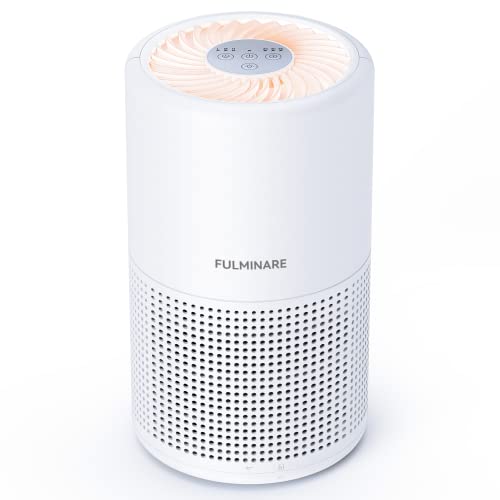
Air Purifiers for Bedroom, FULMINARE H13 True HEPA Filter
- Efficient Particle Filtration: H13 HEPA filter for clean air
- High Circulation Rate: 360° air outlet, refreshes 5x/hour
- Suitable for 215 sq ft rooms: Effective in small to medium rooms
As an affiliate, we earn on qualifying purchases.