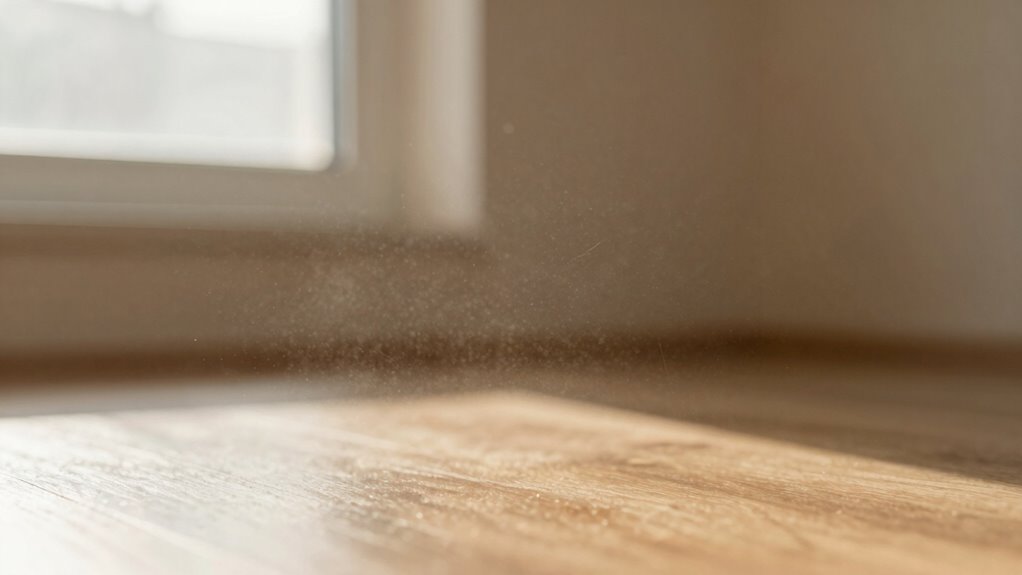

Even if your room looks spotless, the air can still feel heavy because tiny airborne particles like dust, pollen, and pet dander often go unnoticed but affect air quality. High humidity can also make the air feel thicker and more oppressive. These factors can create a sensation of heaviness and make breathing feel harder, despite a clean environment. Keep going to discover simple ways to improve your indoor air and restore comfort.

Get health and wellness essentials delivered free with Prime
- Fast, free delivery on millions of items
- Prime Video, Amazon Music and more included
- Member-only deals all year
Key Takeaways
- Airborne particles like dust and pollen can accumulate unnoticed, making the air feel dense despite a clean appearance.
- Poor ventilation allows particles and humidity to linger, contributing to a heavy, stale atmosphere.
- Excess humidity increases moisture in the air, causing it to feel thick and sluggish.
- Low humidity can dry out the air, but imbalance in moisture levels also impacts perceived heaviness.
- Using air purifiers, dehumidifiers, and proper ventilation improves air quality and reduces the sensation of heaviness.

Have you ever stepped outside and immediately felt like the air is thick and hard to breathe? That sensation isn’t just in your head. Even when a room looks spotless, the air can still feel heavy because of airborne particles and humidity levels. These invisible factors play a major role in how fresh or oppressive the air feels, and understanding them helps you grasp why your environment might not be as clean as it appears.
Airborne particles are tiny bits of dust, pollen, pet dander, mold spores, and other microscopic debris that float in the air. They’re so small that they often go unnoticed, but they can considerably affect how you perceive the air’s quality. When there’s a high concentration of these particles, the air can feel dense and stale, even if your surfaces are spotless. These particles can come from everyday activities like cooking, cleaning, or even opening windows. They settle slowly and can linger in the air, especially if ventilation is poor. The more airborne particles there are, the harder it feels to breathe comfortably, creating that heavy sensation in your environment.
Humidity levels also influence how heavy the air feels. When humidity is high, moisture content in the air increases, making it feel thicker and more oppressive. High humidity prevents your sweat from evaporating efficiently, which hampers your body’s natural cooling mechanism. As a result, you might feel hotter and more sluggish, with a sense that the air is pressing down on you. Conversely, low humidity can cause dryness and irritation but usually doesn’t produce that heavy, weighted feeling. The ideal humidity level for comfort is typically between 30% and 50%, but many indoor environments tend to have levels that are too high or too low, amplifying that feeling of heaviness. Additionally, proper ventilation is essential for reducing humidity and airborne particles, helping to maintain a more comfortable and breathable environment. Using air purifiers can also trap airborne particles, improving your breathing experience. Managing humidity with dehumidifiers or humidifiers ensures the air isn’t excessively moist or dry. It’s all about creating a balance that makes your environment feel lighter and more breathable.
air purifier for dust and pollen
As an affiliate, we earn on qualifying purchases.
As an affiliate, we earn on qualifying purchases.
Frequently Asked Questions
Can Air Purifiers Eliminate All Indoor Pollutants?
Air purifiers can’t eliminate all indoor pollutants because of their limitations. While they effectively reduce common airborne particles like dust, pet dander, and smoke, they may not remove gases, chemicals, or pollutants from sources like cooking, cleaning, or outdoor air seepage. To improve air quality, you should also control indoor pollutant sources, guarantee proper ventilation, and choose an air purifier suited for your specific needs.
How Does Humidity Affect Indoor Air Quality?
Ever wonder how humidity levels impact indoor air quality? High humidity makes your air feel heavy and promotes mold growth, which can worsen allergies and respiratory issues. Low humidity dries out your nasal passages, reducing your body’s ability to filter pollutants. Maintaining ideal humidity levels keeps your indoor air fresh and healthy, preventing mold and ensuring you breathe easier. Are you monitoring your home’s humidity?
Are Houseplants Effective at Improving Air Freshness?
Houseplants are effective at improving air freshness through air purification. Certain plant species, like snake plants and pothos, absorb toxins and increase oxygen levels, making your indoor air feel fresher. By adding these plants to your space, you naturally enhance air quality without chemical filters. Just remember, regular maintenance and proper placement maximize their air-purifying benefits, creating a healthier, more inviting environment.
Does New Furniture Contribute to Heavy Indoor Air?
A new broom sweeps clean, but new furniture can make your indoor air feel heavy. Furniture off-gassing releases VOC emissions, which fill the air and contribute to that heavy feeling. When you bring in fresh furniture, it often emits fumes initially, making the air feel stuffy. Ventilating the space helps reduce VOC levels, improving air quality and making your home feel lighter and more breathable.
How Often Should I Change My HVAC Filters?
You should change your HVAC filters every 1 to 3 months to maintain ideal air quality. Regular filter maintenance guarantees your system runs efficiently and reduces dust, allergens, and pollutants. If you have pets, allergies, or live in a polluted area, consider changing filters more frequently. Consistent filter changes help prevent heavy indoor air, making your home feel fresher and healthier.
dehumidifier for indoor humidity control
As an affiliate, we earn on qualifying purchases.
As an affiliate, we earn on qualifying purchases.
Conclusion
Think of your indoor air as a clear lake. Even if it looks pristine on the surface, unseen pollutants and stagnant air beneath can weigh it down. Just like a boat struggles to glide smoothly over murky water, your body can feel sluggish when breathing heavy indoor air. Regular ventilation and air quality checks are your paddle, helping you clear the murk and breathe freely again—so your space truly feels fresh and light.
As an affiliate, we earn on qualifying purchases.
As an affiliate, we earn on qualifying purchases.
Halloween Picks
halloween
As an affiliate, we earn on qualifying purchases.