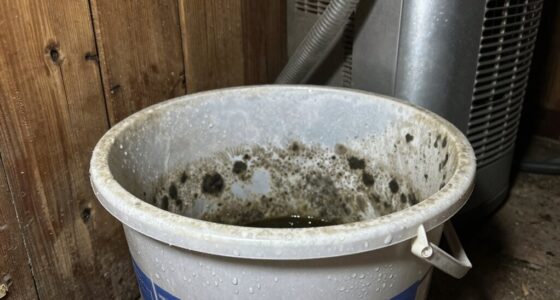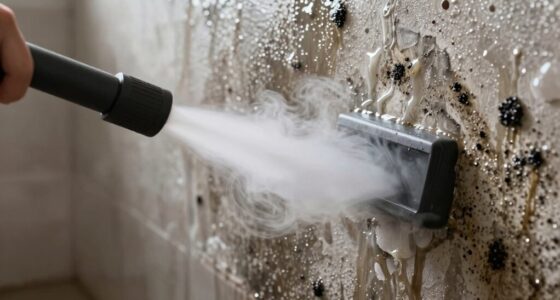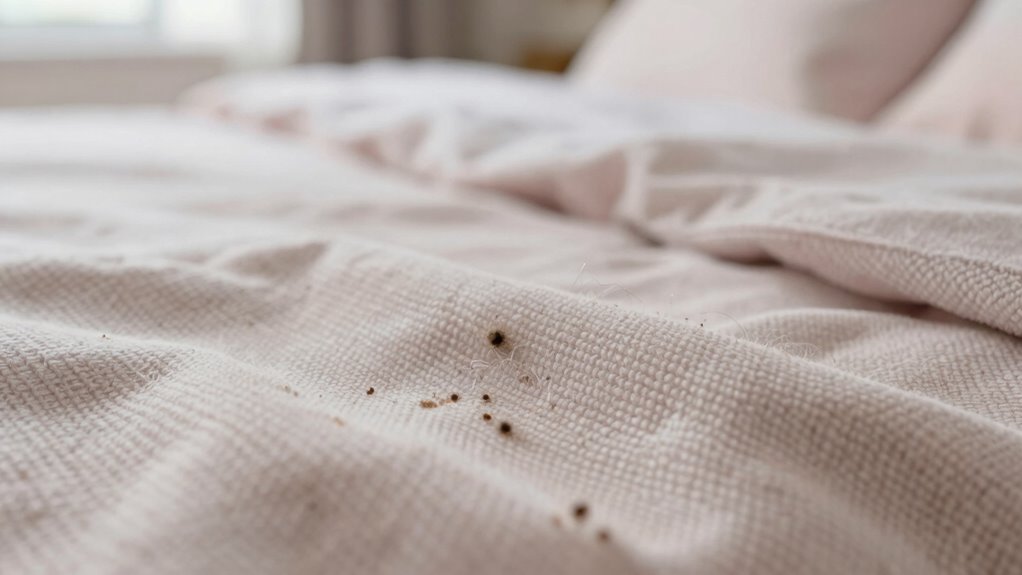

Your bedroom fabrics hold more allergens than you realize because they trap dust mites, pet dander, and mold spores within their porous fibers, turning your sleep space into a hidden allergen reservoir. Over time, allergens embed deep into bedding, curtains, and upholstery, making surface cleaning ineffective. Regular washing, targeted treatments, and good ventilation can help reduce these hidden allergens. Keep going to discover how you can better protect your indoor air quality.

Get health and wellness essentials delivered free — and shop member deals
- Fast, free delivery on millions of items
- Access to Prime Big Deal Days deals on October 6–7
- Prime Video, Amazon Music and more included
Key Takeaways
- Fabrics’ porous fibers trap and retain airborne allergens like dust mites, pet dander, and mold spores.
- Bedding and upholstery are often overlooked during cleaning, allowing allergens to accumulate over time.
- Microfibers and tight weaves can still harbor allergens, especially without proper treatment or frequent washing.
- High humidity promotes mold growth on fabrics, increasing allergen presence and health risks.
- Regular cleaning, fabric treatments, and choosing hypoallergenic materials reduce allergen buildup in bedroom fabrics.
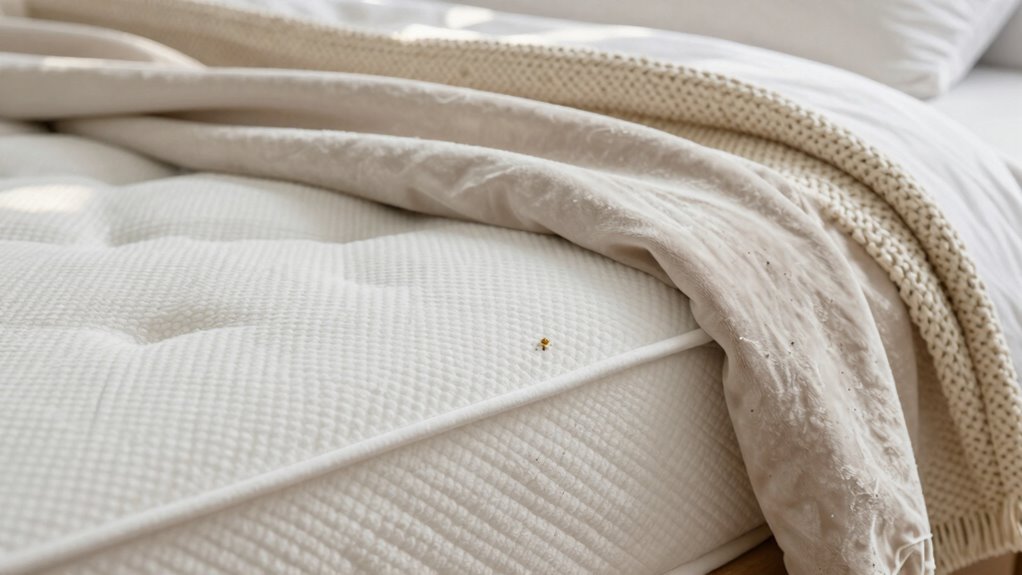
Your bedroom fabrics play a significant role in your indoor air quality, as they can harbor allergens like dust mites, pet dander, and mold spores. Many people underestimate how much these fabrics contribute to allergen buildup, often thinking that cleaning the surfaces is enough. The truth is, fabrics act as filters, trapping airborne particles that can trigger allergic reactions or worsen asthma symptoms. Over time, these allergens accumulate, making your bedding, curtains, and upholstery prime spots for allergen retention.
Bedroom fabrics trap airborne allergens, contributing to poor air quality and allergy symptoms over time.
One reason bedroom fabrics hold more allergens than expected is their porous nature. Materials like cotton, wool, and polyester have tiny fibers that trap dust mites and pet dander easily. If you don’t regularly treat these fabrics with specific fabric treatment products designed for allergen reduction, allergens can thrive. Fabric treatment helps neutralize or eliminate these particles, making your fabrics less hospitable for allergens. Without it, allergens can embed deeply into fibers, becoming harder to remove with routine cleaning. Regular fabric maintenance can significantly reduce allergen buildup and improve indoor air quality. Additionally, choosing fabrics with tight weaves can help minimize allergen penetration.
Another factor is the frequency of cleaning. Many people wash bedding weekly but overlook other fabric surfaces like curtains, throw pillows, or upholstered furniture. These overlooked fabrics can become reservoirs of allergens, continually releasing particles into the air. Proper allergen reduction involves targeted cleaning methods and fabric treatments that break down allergen proteins at a microscopic level. Using allergen-reducing sprays or treatments on your fabrics can significantly decrease the allergen load, helping you breathe easier. Employing advanced cleaning techniques such as HEPA vacuuming can further enhance allergen removal from these surfaces.
Humidity levels in your bedroom also impact allergen buildup. Higher humidity encourages mold growth on fabrics, especially in areas prone to dampness like near windows or in poorly ventilated closets. Mold spores are common indoor allergens, and they tend to settle and grow on damp fabrics. Applying fabric treatment that offers mold resistance or antimicrobial properties can inhibit mold growth and drastically reduce allergen presence. Additionally, maintaining optimal humidity levels with dehumidifiers or proper ventilation can further prevent mold growth and allergen accumulation. Proper ventilation and humidity control are essential for creating an environment less conducive to allergens. Regularly inspecting and cleaning these fabrics can also help catch early signs of mold and prevent its spread.
Your choice of fabric and how you care for it directly influence allergen accumulation. Opting for hypoallergenic or tightly woven fabrics can reduce allergen retention. Regularly washing fabrics with hot water and using fabric treatments designed for allergen reduction can keep your environment healthier. Remember, the goal isn’t just surface cleaning but also addressing the hidden allergens embedded within your fabrics. Incorporating proper fabric care into your routine can make a significant difference in reducing allergens and maintaining a healthier sleeping environment.
As an affiliate, we earn on qualifying purchases.
Frequently Asked Questions
How Often Should I Wash My Bedroom Fabrics for Allergen Control?
You should wash your bedroom fabrics at least once a week to control allergens effectively. Regular cleaning helps with dust mite prevention and reduces allergen buildup. When comparing fabric materials, opt for washable, tightly woven fabrics like cotton or microfiber, as they trap fewer allergens. Avoid heavy, plush materials that can harbor more dust mites. Consistent washing and choosing the right fabrics make a significant difference in allergen control.
Are Synthetic or Natural Fabrics Better for Allergy Sufferers?
Synthetic fabrics are generally better for allergy sufferers because they offer higher fabric durability and easier cleaning, reducing allergen buildup. Natural fabrics like cotton or wool tend to have better material breathability, but they can trap more dust and allergens if not washed frequently. If you want a balance, choose synthetic fabrics with a tight weave, which makes cleaning easier and minimizes allergen retention, helping you breathe easier at night.
Do Fabric Treatments Reduce Allergen Buildup Effectively?
Fabric treatments create an invisible shield, like a barrier of tiny soldiers, fighting off allergens. They can reduce buildup by locking in dust mites, pet dander, and pollen. Allergen barriers make fabrics less hospitable, so allergens can’t settle deep into fibers. While not foolproof, these treatments considerably lower allergen presence, giving you cleaner, healthier bedding. Regular washing and treatments together create a more allergen-resistant sanctuary for sensitive sleepers.
Can Using Air Purifiers Decrease Allergens in Bedding?
Yes, using air purifiers can decrease allergens in your bedding. Air purifier benefits include filtering out dust, pet dander, and other airborne particles, which improves bedroom air quality. By continuously cleaning the air, you reduce the amount of allergens settling on your bedding and fabrics. This helps you breathe easier, especially if you suffer from allergies or asthma, creating a healthier, more comfortable sleeping environment.
What Are the Best Cleaning Methods for Allergen Removal?
Your cleaning methods can be a game-changer in allergen removal. To effectively combat dust mites, regularly wash bedding in hot water and vacuum your mattress and fabrics thoroughly. Use allergen-proof covers and opt for hypoallergenic fabrics like tightly woven cotton or silk. These materials resist dust mites better than plush or synthetic fabrics. Consistent cleaning, combined with dust mite prevention strategies, drastically reduces allergens, helping you breathe easier every night.
As an affiliate, we earn on qualifying purchases.
Conclusion
So, next time you curl up in bed, remember—those cozy fabrics you love might be secretly hosting a tiny allergen invasion. While you dream of comfort, allergens hide in the fibers, turning your peaceful sanctuary into a tiny labyrinth of sneezes and itchy eyes. Ironically, the softer the fabric, the tougher it is to spot the unseen invaders. Sleep tight, but maybe give those sheets a good wash—your allergies will thank you, even if your dreams don’t.
As an affiliate, we earn on qualifying purchases.
As an affiliate, we earn on qualifying purchases.
Fall Picks
fall essentials
As an affiliate, we earn on qualifying purchases.