Dirty fabrics silently affect your indoor air by trapping odors, dust, and microbes that gradually seep into your living space. Over time, these hidden contaminants build up and are released through movement or airflow, causing stuffy smells and airborne dust that can irritate your lungs. Without regular cleaning or ventilation, these issues worsen, impacting your health and comfort. Continue to explore how proper fabric maintenance can help you breathe easier and improve your indoor environment.

Get health and wellness essentials delivered free — and shop member deals
- Fast, free delivery on millions of items
- Access to Prime Big Deal Days deals on October 6–7
- Prime Video, Amazon Music and more included
Key Takeaways
- Dirty fabrics trap odors that gradually seep into indoor air, creating a stale environment.
- Dust accumulation in fabrics releases particles into the air when disturbed, irritating respiratory systems.
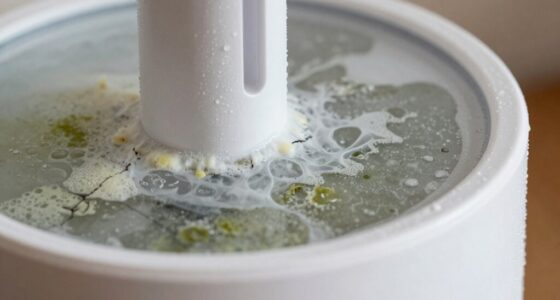
- Microbial growth on unclean fabrics produces mold and bacteria, degrading indoor air quality.
- Neglected fabrics harbor allergens and microbes, increasing health risks like allergies and respiratory issues.
- Regular cleaning and proper ventilation prevent odor buildup, dust release, and microbial growth, maintaining healthier indoor air.
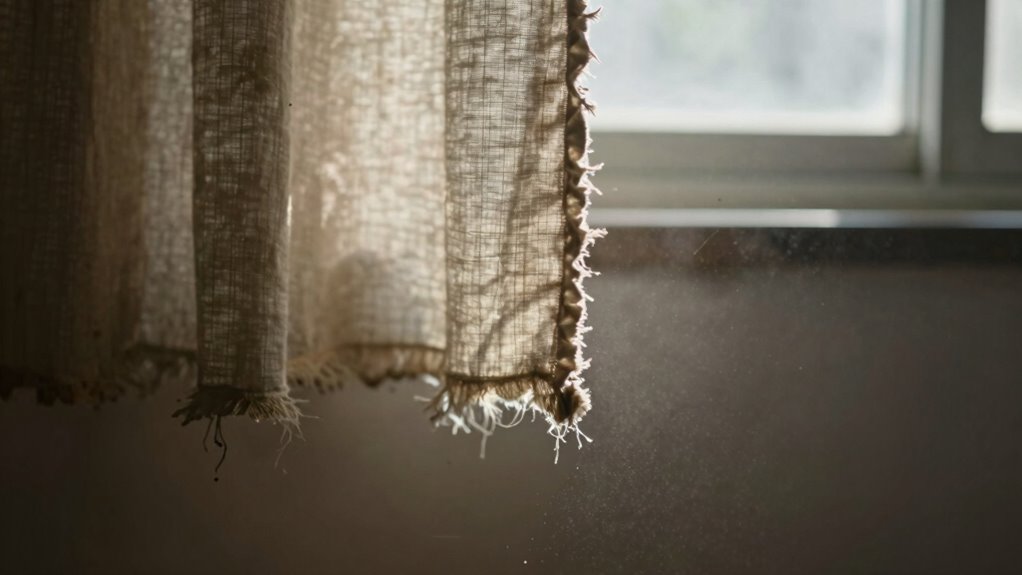
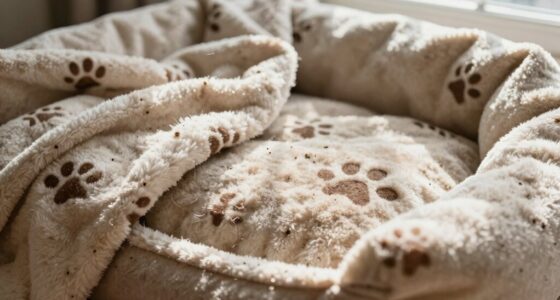
Have you ever wondered how seemingly clean fabrics in your home might be quietly affecting your indoor air quality? It’s easy to overlook the impact of fabrics like curtains, upholstery, and bedding, but they can be silent contributors to indoor air pollution. One of the main ways they do this is through odors that develop over time. Fabrics tend to trap smells from everyday activities—cooking, smoking, pets, and even just the usual dust and dirt. These odors aren’t always noticeable at first, but they can gradually seep into the air, making your indoor environment feel stuffy or stale. You might think your home smells fresh, but beneath the surface, those fabrics could be holding onto odors that subtly influence the air you breathe.
Beyond odors, dust accumulation on fabrics plays a significant role in affecting indoor air quality. Dust particles settle on every surface, but fabrics tend to act as filters, trapping dust within their fibers. Over time, these particles build up, and when disturbed—by movement, air currents, or cleaning—they become airborne again. This process releases dust particles into the air, which can then be inhaled, irritating your respiratory system or triggering allergies. The more fabrics you have around your home, especially those that aren’t regularly cleaned or replaced, the more dust they hold and release. Think about your curtains, cushions, and even clothes in closets. They all serve as reservoirs for dust, slowly releasing it into the air over days or weeks. Additionally, dust accumulation on fabrics can also promote the growth of bacteria or mold if not properly maintained. Regular cleaning routines can significantly reduce these risks and improve overall indoor air quality, especially since mold growth is a common concern in humid environments. In fact, proper fabric maintenance can also help prevent the buildup of bacteria, which thrive in damp, dusty conditions and further compromise air quality.
If you neglect regular cleaning, these fabrics become even more problematic. Dust and odors are constantly being absorbed, and the fibers can become breeding grounds for bacteria or mold, especially in humid environments. These microscopic organisms also affect indoor air quality, potentially leading to health issues. Additionally, the smell of stale, trapped odors can linger long after the initial source is gone, making your indoor environment feel less fresh. This cycle of dust and odor buildup isn’t just a matter of aesthetics; it’s a real health concern. Proper ventilation and fabric maintenance are essential to breaking this cycle and maintaining a healthier indoor environment.
air purifier for indoor air quality
As an affiliate, we earn on qualifying purchases.
As an affiliate, we earn on qualifying purchases.
Frequently Asked Questions
How Do Dirty Fabrics Release Indoor Air Pollutants?
Dirty fabrics release indoor air pollutants through fabric odor and pollutant absorption. As fabrics gather dust, dirt, and odors, they trap airborne pollutants like volatile organic compounds (VOCs) and allergens. When disturbed, these pollutants are released back into the air, affecting indoor air quality. Regular cleaning or replacing fabrics helps reduce this pollutant absorption, minimizing the release of indoor air pollutants and promoting a healthier environment.
Can Cleaning Methods Fully Eliminate Fabric-Related Indoor Air Issues?
Yes, cleaning methods can greatly reduce fabric-related indoor air issues, but they might not fully eliminate them. You can remove surface dirt, reduce scent absorption, and strip away some fabric coatings, yet deep-seated pollutants and lingering odors may persist. Regular vacuuming, washing, and using air purifiers help, but complete elimination depends on consistent maintenance and choosing fabrics with fewer coatings that trap pollutants. Keep aiming for a healthier indoor environment.
Are Certain Fabrics More Prone to Harboring Indoor Pollutants?
Certain fabric materials, like synthetic textiles, are more prone to harboring indoor pollutants because they tend to trap dust, pet dander, and airborne chemicals more easily. Fabrics with lower textile durability often shed fibers and particles, increasing indoor air pollution. You should choose durable, natural fabrics like cotton or wool for better indoor air quality, and regularly clean these fabrics to minimize pollutant buildup and maintain healthier indoor environments.
How Often Should Fabrics Be Cleaned to Improve Air Quality?
Think of your fabrics as the filters of your home’s air; they need regular care to stay effective. For fabric types like curtains and upholstery, aim to clean them every 1 to 3 months. Regular cleaning frequency keeps dust, pet dander, and pollutants at bay, preventing them from turning your home into a smoky, dusty cloud. Use vacuuming, washing, or professional cleaning to keep the air fresh and healthy.
Do Air Purifiers Effectively Remove Pollutants From Dirty Fabrics?
Air purifiers can help remove pollutants from dirty fabrics, but their effectiveness depends on the device’s air filtration capabilities. They work best with fabric coatings that trap dust and allergens. When you use air filtration systems with HEPA filters, they capture fine particles released from fabrics, reducing indoor air pollution. However, regular cleaning of fabrics remains essential, as purifiers alone might not eliminate all pollutants from fabrics entirely.
As an affiliate, we earn on qualifying purchases.
Conclusion
Now that you know how dirty fabrics silently impact your indoor air, are you ready to uncover what lurks in your own home? The hidden dangers could be closer than you think, quietly affecting your health every day. Don’t let unseen particles go unnoticed—your next breath might hold the key. Stay vigilant, because the truth about your fabrics might change everything you thought you knew about clean air. Are you prepared to take the first step?
mold and bacteria resistant curtains
As an affiliate, we earn on qualifying purchases.
As an affiliate, we earn on qualifying purchases.
As an affiliate, we earn on qualifying purchases.
Evergreen bestsellers Picks
bestsellers
As an affiliate, we earn on qualifying purchases.