
TL;DR
Trail crews in Colorado are cleaning up extensive human waste at Blue Lakes due to high visitor numbers. New regulations aim to reduce future impact, but cleanup efforts are ongoing. The situation highlights the challenge of balancing recreation and conservation.
Colorado trail crews are currently removing years of accumulated human waste from Blue Lakes Trail, a popular hiking destination near Ouray, following a surge in visitors that has led to environmental concerns.
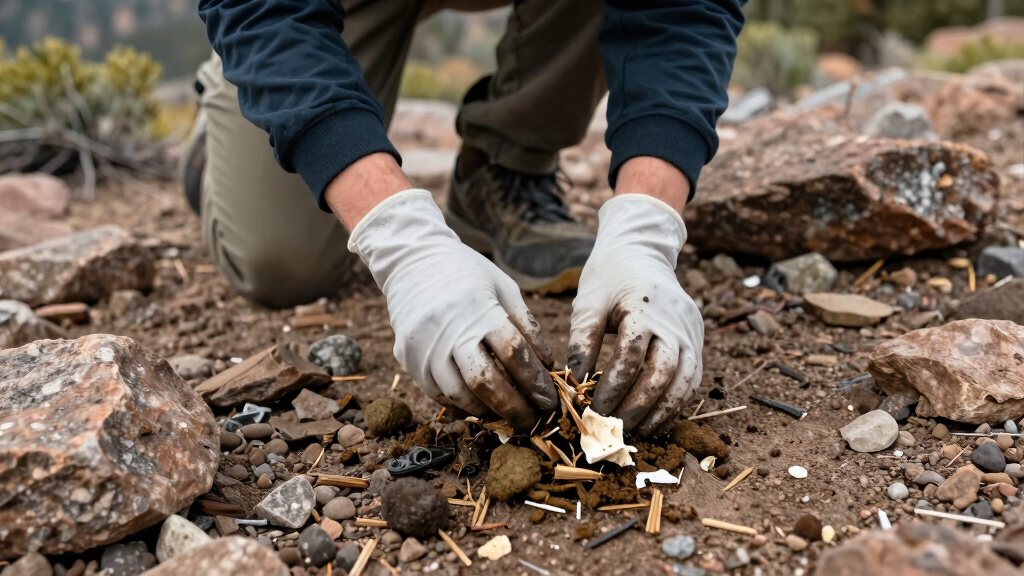
Trailworkers with the conservation nonprofit National Forest Foundation (NFF) are clearing out built-up human waste left by hikers at Blue Lakes, which is located about an hour north of Telluride. The cleanup is in response to reports of widespread human feces contaminating the area and posing risks to wildlife and water quality.
The U.S. Forest Service recently implemented new regulations on May 31 requiring visitors to pack out their human waste, limit group sizes to six, and ban campsites at two of the three main lakes. These measures aim to curb ongoing environmental degradation caused by high foot traffic, which sees over 35,000 visitors annually.
Why It Matters
This situation underscores the environmental challenges posed by increased outdoor recreation, especially in sensitive alpine ecosystems. The presence of human waste not only threatens water safety and public health but also impacts local wildlife, which may forage on contaminated material. The cleanup efforts highlight the importance of responsible visitation and sustainable trail management to preserve these natural areas for future generations.
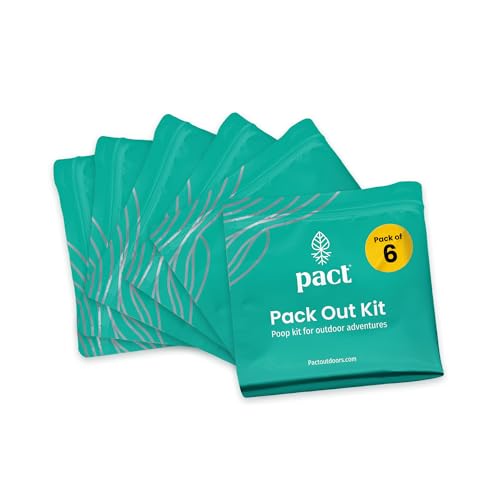
PACT Pack Out Kit | Camping Poop Kit | Wet Wipes, Human Waste Bags | 6 Pack
- Pack Quantity: 6 disposable camping kits
- Ease of Use: User-friendly design with instructions
- Leakproof Durability: Heavy-duty outer and inner bags
As an affiliate, we earn on qualifying purchases.
As an affiliate, we earn on qualifying purchases.
Background
Blue Lakes Trail has long been a popular destination for hikers, but its popularity has surged in recent years, leading to significant environmental impacts. In response, the U.S. Forest Service introduced new regulations to mitigate damage, including waste pack-out rules and group size limits. Despite these measures, the accumulation of waste has persisted, prompting volunteer-led cleanup operations.
Trail crews report that the waste problem has been compounded over months and years, with some areas heavily contaminated, affecting both water sources and local fauna. The situation is a reminder of the broader challenges faced by public lands experiencing high visitation rates.
“The amount of human waste left behind was far greater than we initially expected, and it’s a serious concern for both safety and ecosystem health.”
— an anonymous researcher
“We saw wildlife, including marmots, foraging around heavily used sites, which raises concerns about animals ingesting contaminated material.”
— a volunteer from the Southwest Conservation Corps
PACT Pack Out Kit | Camping Poop Kit | Wet Wipes, Human Waste Bags | 6 Pack
- Pack Quantity: 6 disposable camping kits
- Ease of Use: User-friendly design with instructions
- Leakproof Durability: Heavy-duty outer and inner bags
As an affiliate, we earn on qualifying purchases.
As an affiliate, we earn on qualifying purchases.
What Remains Unclear
It is still unclear how much waste remains to be removed and whether the new regulations will effectively reduce future contamination. The long-term impact on local wildlife and water quality is also still being assessed.

Coghlan's Portable Toilet Tissue – Biodegradable Camping, Travel, 2-Pack
- Compact and Portable: Two coreless rolls fit in any bag
- Lightweight and Single-Ply: 150 sheets per roll for reliable coverage
- Hygienic and Fresh: Individually wrapped for cleanliness
As an affiliate, we earn on qualifying purchases.
As an affiliate, we earn on qualifying purchases.
What’s Next
Efforts will continue to remove existing waste, and authorities plan to monitor visitor compliance with new regulations. Further educational campaigns and trail management strategies are expected to be implemented to balance recreation and conservation.

Sanitary Napkin Disposal Bags, Feminine Personal Disposable Bags, 200 pcs Grey, Self Seal, Opaque, for Disposal of Tampons, Sanitary Pads and Liners
- Discreet Disposal Bags: 200 gray opaque disposal bags
- Avoid Plumbing Issues: Do not flush tampons and liners
- Self-Sealing Design: Odor-free, durable plastic bags
As an affiliate, we earn on qualifying purchases.
As an affiliate, we earn on qualifying purchases.
Key Questions
Why is human waste a problem at Blue Lakes?
Human waste can contaminate water sources, pose health risks, and affect wildlife that may ingest or forage on contaminated material. It also contributes to overall environmental degradation in sensitive alpine ecosystems.
What regulations have been put in place to address this issue?
Visitors are now required to pack out their human waste, group sizes are limited to six, and campsites at two of the three main lakes are banned to reduce environmental impact.
How are crews cleaning up the waste?
Trail crews from the National Forest Foundation are manually removing accumulated waste, often using specialized tools and disposal methods, to restore the area’s safety and ecological health.
Will visitor access be restricted further?
There are no current plans to restrict access further, but authorities aim to promote responsible recreation and continue enforcement of existing regulations to prevent future issues.
What can hikers do to help protect Blue Lakes?
Hikers should follow Leave No Trace principles, pack out all waste, stay on designated trails, and respect regulations to help preserve the area’s natural beauty and ecological integrity.
Source: Outside