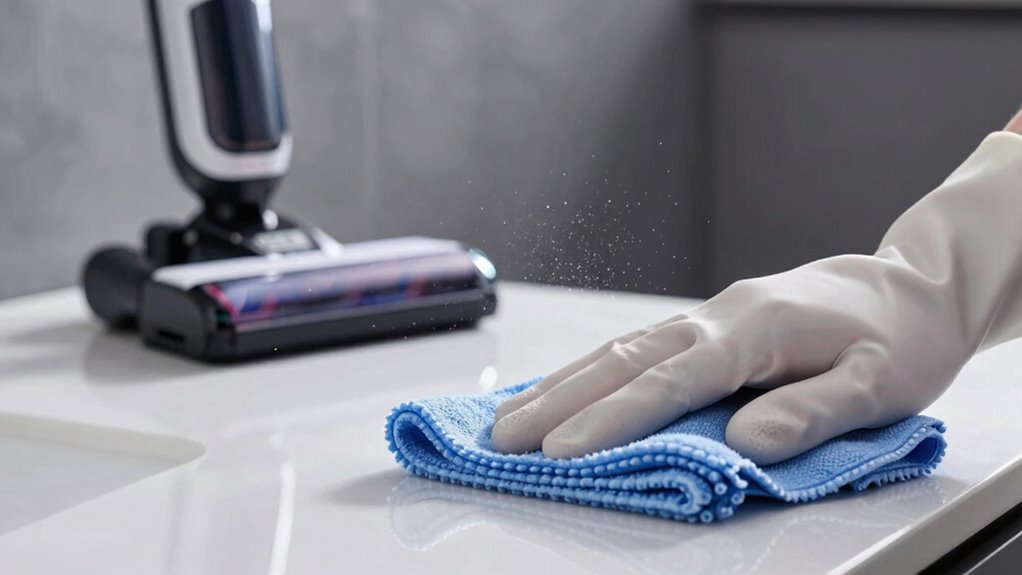
To reduce particle rebound, use microfiber cloths and mops that attract and trap dust effectively, applying gentle pressure without oversaturating them. Vacuum with a HEPA filter slowly and methodically, then follow up with microfiber or damp cloths on hard surfaces. Focus on high dust areas like corners and baseboards, and minimize airflow disruptions during cleaning. Maintain your tools and environment regularly, and you’ll see better dust control—if you keep exploring, you’ll learn even more tips to boost your cleaning routine.

Get health and wellness essentials delivered free with Prime
- Fast, free delivery on millions of items
- Prime Video, Amazon Music and more included
- Member-only deals all year
Key Takeaways
- Use microfiber cloths and mops with electrostatic properties to attract and securely trap dust particles.
- Vacuum slowly with HEPA-filtered equipment, and follow up with microfiber cleaning on hard surfaces.
- Minimize airflow disturbances during and after cleaning to prevent dust from becoming airborne.
- Seal windows and doors during cleaning to contain dust and reduce spread.
- Maintain cleaning tools properly to ensure optimal dust trapping efficiency.
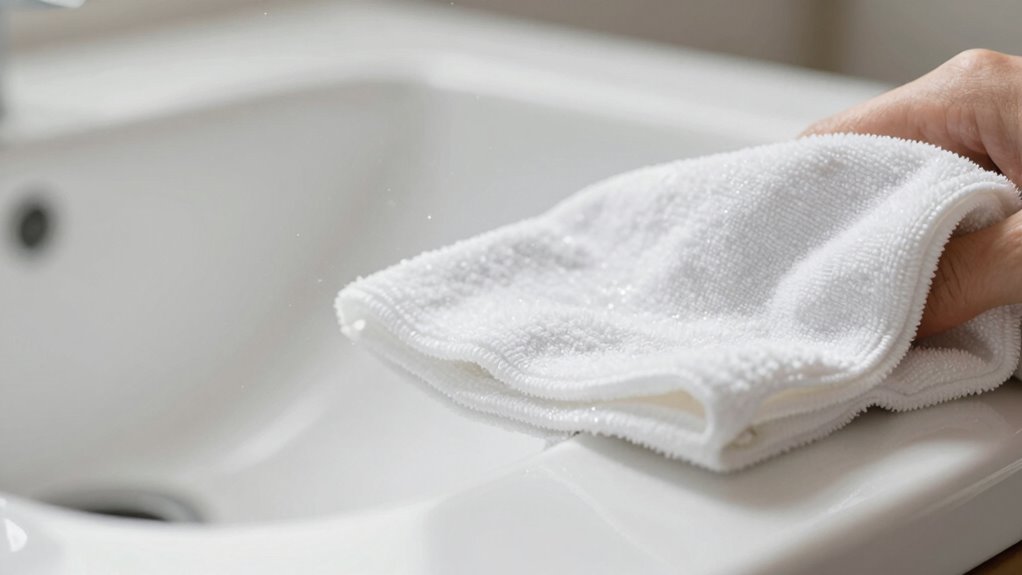
When it comes to maintaining a clean environment, reducing particle rebound during cleaning is essential for effective results. Particle rebound happens when dust and other particles bounce back into the air instead of being removed completely. This can lead to increased dust accumulation over time and diminish the overall cleanliness of your space. To combat this, your cleaning routine should focus on minimizing surface adhesion of dust and preventing particles from bouncing back. The key is to choose the right tools and techniques that lock dust onto surfaces rather than dispersing it into the air.
Reducing particle rebound by choosing effective tools and techniques keeps your space cleaner and dust-free longer.
Start by selecting high-quality microfiber cloths or mops, as they are designed to attract and trap dust effectively. Unlike traditional cotton or paper towels, microfiber has electrostatic properties that increase surface adhesion, pulling dust particles in and holding them securely. When wiping surfaces, apply gentle pressure to ensure better contact and to reduce the likelihood of particles bouncing away. Avoid using overly damp cloths, as excess moisture can weaken surface adhesion and cause particles to smear rather than lift. A slightly damp microfiber cloth strikes the perfect balance, trapping dust while maintaining a clean surface. Incorporating efficient dust trapping techniques can further enhance your cleaning effectiveness. Additionally, understanding the properties of dust can help you select the most suitable cleaning methods and tools.
Vacuuming is an essential part of a dust-reducing routine, especially on carpets and upholstery. Use a vacuum cleaner equipped with a HEPA filter, which captures tiny particles and prevents them from escaping back into the air. When vacuuming, move slowly and methodically, giving the machine enough time to pick up dust and debris. Regularly empty the vacuum bag or canister, so it doesn’t become clogged, which can reduce suction and allow particles to escape. For hard surfaces, follow up with a microfiber mop or damp cloth, focusing especially on areas with high dust accumulation like corners and baseboards. This double approach ensures that dust doesn’t settle or rebound into the air. Additionally, using vacuum filters that are designed for high-efficiency filtration can significantly reduce airborne particles.
Additionally, consider the environment you’re cleaning. Reduce airflow disturbances during and immediately after cleaning, as drafts can cause particles to become airborne again. Use air purifiers with HEPA filters to further trap airborne dust and prevent rebound. Incorporating dust control techniques such as sealing windows and doors during cleaning can also help contain dust and minimize its spread. Consistent cleaning schedules also play a vital role; the more frequently you clean, the less dust has a chance to settle and stick strongly to surfaces, which makes removal easier and reduces rebound.
microfiber dust cloths with electrostatic properties
As an affiliate, we earn on qualifying purchases.
As an affiliate, we earn on qualifying purchases.
Frequently Asked Questions
How Long Does the Cleaning Routine Typically Take to Implement?
Implementing this cleaning routine typically takes about 15 to 30 minutes, depending on the size of the area. You should start by establishing a consistent cleaning schedule, which helps maintain effectiveness. After initial cleaning, conduct an effectiveness assessment to make certain particles are reduced and rebound is minimized. Regularly updating your schedule based on these assessments will keep your space cleaner and safer over time.
Can This Routine Be Adapted for Different Types of Surfaces?
You can adapt this routine for different surfaces because “variety is the spice of life.” By considering surface compatibility, you guarantee each material gets the right cleaning method. Flexibility in your cleaning approach lets you modify techniques—like switching from microfiber cloths to soft brushes—without compromising effectiveness. Always test a small area first to ensure compatibility, and you’ll keep your surfaces clean without damage.
What Specific Cleaning Tools Are Recommended for Best Results?
You should use microfiber mops for effective dust and particle removal, as their fine fibers trap debris without rebounding particles back into the air. Additionally, vacuum attachments designed for your vacuum can target specific surfaces and hard-to-reach areas, ensuring thorough cleaning. Combining these tools helps maintain cleaner environments by reducing particle rebound, especially when used with proper technique. Regularly replacing or washing microfiber mops also enhances their efficiency.
Are There Any Safety Precautions to Consider During Cleaning?
Yes, there are safety precautions you should take during cleaning. Always wear protective gear like gloves and masks to prevent inhaling dust or chemicals. Make certain proper ventilation measures are in place by opening windows or using fans to reduce airborne particles. This helps protect your respiratory health and minimizes the risk of exposure to potentially harmful substances. Taking these precautions makes your cleaning routine safer and more effective.
How Often Should This Routine Be Performed for Optimal Particle Reduction?
You should perform this cleaning routine at least once a week to effectively manage dust accumulation and improve air circulation. Regular cleaning prevents particles from settling deeply and rebounding into the air, maintaining a healthier environment. If your space experiences high dust levels or poor air flow, consider increasing the frequency to twice a week. Consistency is key for ideal particle reduction and cleaner, fresher indoor air.
As an affiliate, we earn on qualifying purchases.
Conclusion
By adopting this cleaning routine, you’re like a skilled gardener tending to delicate blooms—careful and precise. I remember once skipping a step, only to see dust bounce right back, like stubborn weeds regrowing. But with consistent effort, the particles settle peacefully, much like flowers in full bloom. Stick to this routine, and you’ll notice surfaces stay cleaner longer, proving that a little care upfront prevents chaos later. Clean smarter, not harder.
As an affiliate, we earn on qualifying purchases.
As an affiliate, we earn on qualifying purchases.
Cold & flu season Picks
humidifiers
As an affiliate, we earn on qualifying purchases.