Maintaining your dehumidifier is crucial to prevent mold in the water bucket, which can affect both efficiency and air quality. Look out for signs like persistent odors, slimy buildup, or visible mold. Warm, humid conditions and stagnant water create a perfect breeding ground for mold. Regular cleaning and checking for organic material will help keep your dehumidifier running smoothly. Want to uncover more about keeping your unit in top shape?

Get health and wellness essentials delivered free — and shop member deals
- Fast, free delivery on millions of items
- Access to Prime Big Deal Days deals on October 6–7
- Prime Video, Amazon Music and more included
Key Takeaways
- Regularly clean the dehumidifier bucket to prevent mold growth and maintain optimal performance.
- Monitor humidity levels and keep them between 30-50% to discourage mold proliferation.
- Inspect for signs of mold, such as odors or slimy buildup, to address issues promptly.
- Use mild detergent and a soft brush for thorough cleaning of the bucket and air filters.
- Empty the water bucket frequently to avoid stagnant water, which fosters mold development.
Understanding the Importance of Dehumidifier Maintenance

While you might think a dehumidifier only needs to run, regular maintenance is vital for its ideal performance. Cleaning or replacing filters routinely guarantees that your unit operates at peak energy efficiency, saving you money on energy bills. Neglecting maintenance can lead to reduced airflow, making your dehumidifier work harder and less effectively. This can negatively impact your air quality, allowing mold and allergens to thrive in your home. By checking the water collection bucket and ensuring proper drainage, you prevent overflow and further issues. Regular maintenance not only extends the life of your dehumidifier but also keeps your environment healthy and comfortable. Additionally, ensuring that your dehumidifier operates efficiently can help maintain optimal air quality in your home. Maintaining proper humidity levels is crucial for preventing mold growth, which can be detrimental to your health. Neglecting these tasks can lead to a reduced airflow, which not only affects the dehumidifier’s performance but can also contribute to increased humidity levels that encourage mold growth. Therefore, implementing space-saving techniques when organizing your dehumidifier setup can help optimize its efficiency. Moreover, using hydrotherapy techniques can further support a healthy indoor environment by reducing humidity levels. So, don’t overlook these tasks; they’re essential for maintaining optimal air quality and energy efficiency.
Common Signs of a Moldy Bucket

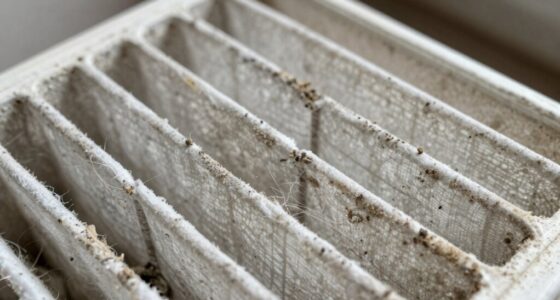
Maintaining your dehumidifier’s components is just as important as keeping the unit itself clean. One of the most common signs of a moldy bucket is a persistent mold odor. If you notice a musty smell when you empty or clean the bucket, it’s a red flag that mold may be developing inside. Another indicator is the presence of slimy buildup on the walls or bottom of the bucket. This residue can feel slick to the touch and often indicates that mold spores are thriving in the damp environment. Regularly checking for these signs can help you address mold issues before they become serious, ensuring your dehumidifier operates efficiently and keeps your space healthy. Additionally, wearable fitness tech can help monitor humidity levels in your home, promoting a healthier environment that reduces the risk of mold growth. Maintaining proper filtration systems in your dehumidifier can also enhance its effectiveness in controlling moisture levels. Keeping an eye on humidity levels can also aid in developing safer riding habits for e-bike and e-scooter commuters, as high humidity can affect performance and safety. Implementing personalized intervention strategies can further enhance your ability to manage moisture and prevent mold proliferation in your living space. Properly managing firewood drying techniques can also contribute to reducing humidity and mold risks by ensuring that wood is seasoned adequately before use.
How Mold Grows in Dehumidifier Buckets

Mold thrives in dehumidifier buckets due to ideal conditions like warmth and moisture. When you leave standing water in the bucket, it creates a perfect breeding ground for mold spores. Additionally, any organic material that finds its way into the bucket can fuel mold growth even further. Regular maintenance and cleaning of your dehumidifier can help mitigate this issue and promote sustainable cloud solutions for an eco-friendly environment. It’s also important to ensure that any components, such as the cleaning process for the bucket, are kept free from contaminants to further prevent mold development. To further combat mold growth, consider using essential oils with antimicrobial properties to help keep the environment clean. Furthermore, regularly checking and cleaning the bucket can enhance its efficiency, similar to how bike generators optimize energy production through maintenance. Regular cleaning can also improve the overall performance of your dehumidifier, ensuring it operates at optimal efficiency for effective moisture removal.
Ideal Conditions for Growth
Humidity creates a perfect breeding ground for mold in dehumidifier buckets, especially when water sits stagnant. To keep your dehumidifier functional and mold-free, it’s essential to understand the ideal conditions for mold growth:
- High humidity levels: Mold thrives in environments with moisture levels above 60%. Additionally, using smart appliances with built-in humidity control can help maintain optimal moisture levels and prevent mold growth. Furthermore, understanding credit card terms can aid in making financially sound decisions when purchasing home appliances.
- Warm temperatures: Mold prefers a temperature range between 77°F and 86°F (25°C to 30°C). Additionally, proper maintenance of your dehumidifier can significantly reduce the chances of mold growth. It’s also crucial to ensure better indoor air quality by regularly emptying and cleaning the bucket.
- Lack of airflow: Stagnant air allows mold spores to settle and grow without disturbance. Additionally, maintaining financial education can help you make informed decisions about purchasing and maintaining home appliances like dehumidifiers.
Standing Water Risks
While you may rely on your dehumidifier to keep moisture at bay, standing water in its bucket can quickly become a breeding ground for mold. This can severely impact your air quality and undermine your moisture control efforts. Mold thrives in stagnant water, and if left unchecked, it can spread rapidly, releasing spores into your home. Incorporating high-quality outdoor kitchens with proper ventilation can also help manage humidity levels in your space. Additionally, regular maintenance of your dehumidifier is crucial for preserving its efficiency and preventing classic motorcycle restoration projects from being damaged by humidity.
| Factor | Impact on Mold Growth |
|---|---|
| Temperature | Warmth accelerates growth |
| Stagnation | Longer standing water increases risk |
| Nutrients | Any organic material boosts mold proliferation |
Additionally, maintaining a clean and dry dehumidifier is essential for ensuring high-quality standards of air quality in your home.
Organic Material Sources
Have you ever wondered what makes your dehumidifier bucket a perfect environment for mold growth? It’s not just the moisture; it’s also the organic materials that accumulate over time. These materials can seriously impact your air quality if left unchecked. Here’s what you should look out for:
- Dust and dirt from the surrounding area
- Food particles or organic debris
- Biofilm from stagnant water
These organic sources provide an ideal breeding ground for mold, especially when combined with the moisture control your dehumidifier is working hard to manage. To maintain a healthy environment, regularly clean your dehumidifier bucket and monitor for any buildup of organic materials. This proactive approach will help you keep mold at bay and improve your indoor air quality.
Steps to Clean Your Dehumidifier Bucket

Cleaning your dehumidifier bucket is essential for maintaining its efficiency and preventing mold growth. First, you’ll need to gather your cleaning supplies, then follow a straightforward procedure to guarantee everything’s sanitized. Finally, implementing some preventive maintenance tips will keep your bucket clean for longer.
Gather Necessary Supplies
Before you plunge into cleaning your dehumidifier bucket, it’s crucial to gather the right supplies to make the process efficient and effective. Having everything on hand will help you tackle the moldy buildup and ensure proper water drainage. Here’s what you’ll need:
- Mild detergent: This will help remove any grime or mold.
- Soft scrub brush: Perfect for getting into those hard-to-reach corners.
- New filter: Consider a filter replacement if yours looks worn or dirty.
With these supplies ready, you’ll be set to clean your bucket thoroughly, ensuring your dehumidifier runs smoothly and efficiently. Don’t forget to check the bucket and surrounding areas regularly to prevent future mold issues.
Cleaning Procedure Steps
To guarantee your dehumidifier operates at its best, follow these straightforward steps to clean the bucket. First, unplug the unit and remove the bucket carefully. Rinse it with warm water to eliminate any dust or debris. Next, use a mild detergent and a soft brush to scrub the interior, focusing on corners where mold may hide. Rinse thoroughly and dry completely before reinserting it. Don’t forget to check the dehumidifier filters; clean or replace them as needed to enhance airflow optimization. Finally, ensure the bucket is properly seated back in the unit. Regular cleaning not only keeps your dehumidifier efficient but also helps prevent mold growth, ensuring a fresher environment in your home.
Preventive Maintenance Tips
While regular maintenance can feel like a chore, it’s essential for keeping your dehumidifier running effectively and extending its lifespan. By following these preventive tips, you’ll guarantee your unit remains in top shape:
- Clean the air filter monthly to maximize efficiency.
- Adjust the power settings based on humidity levels for ideal performance.
- Inspect and clean the dehumidifier bucket regularly to prevent mold growth.
Taking these simple steps can save you from bigger problems down the line. Regularly checking the air filter and bucket not only keeps the unit running smoothly but also improves air quality in your home. Make maintenance a habit, and you’ll enjoy a more efficient dehumidifier for years to come.
Preventing Mold Growth in the Future

As you endeavor to maintain a mold-free environment, understanding how to prevent future growth is essential. First, prioritize air filter upkeep. Regularly clean or replace your filters to ensure proper airflow, which helps reduce humidity levels and discourages mold. Next, always practice electrical safety. Ensure your dehumidifier is properly grounded and free from any water exposure to prevent electrical hazards. Maintaining a consistent temperature and humidity level in your space is critical; aim for 30-50% humidity. Additionally, fix any leaks promptly and ensure proper ventilation in areas like bathrooms and kitchens. By taking these proactive steps, you’ll create an environment that’s less inviting to mold, keeping your home healthier and safer for everyone.
Regular Maintenance Tips for Dehumidifiers

Regular maintenance of your dehumidifier is crucial for its efficiency and longevity, so don’t overlook these essential tasks. By keeping up with these simple tips, you can guarantee peak performance and prevent issues down the line:
- Clean or replace the air filter regularly to maintain airflow and efficiency.
- Check the power settings to ensure they match your humidity needs; adjust them based on seasonal changes.
- Empty the water bucket frequently to prevent overflow and potential mold growth.
When to Replace Your Dehumidifier

Knowing when to replace your dehumidifier can save you both time and money, especially if it’s no longer effectively controlling humidity levels in your home. If you notice high energy bills, frequent air filter cleaning, or persistent dampness, it might be time for a new unit. Here’s a quick guide:
| Signs of Replacement | Possible Causes | Solutions |
|---|---|---|
| High energy bills | Inefficient operation | Upgrade to a new model |
| Frequent repairs | Aging components | Replace with a newer unit |
| Constant dampness | Insufficient capacity | Assess size and efficiency |
| Noisy operation | Mechanical issues | Consider replacement |
| Poor air quality | Ineffective filtration | Look for energy-efficient models |
Keep an eye on these signs to ensure your home stays comfortable and healthy.
Health Risks Associated With Moldy Dehumidifiers

While dehumidifiers are essential for controlling humidity levels, they can pose serious health risks if mold begins to grow inside them. Mold spores can easily disperse into your home’s air, leading to various health issues.
- Reduced air quality can exacerbate respiratory problems.
- Mold exposure can trigger allergy symptoms, including sneezing and headaches.
- Prolonged exposure may lead to more serious health complications.
To protect yourself and your loved ones, prioritize regular maintenance of your dehumidifier. Clean the bucket frequently, and ensure proper airflow to prevent mold growth. Taking these steps not only helps with allergy prevention but also maintains a healthier living environment. Remember, a well-maintained dehumidifier contributes to better air quality in your home.
Choosing the Right Dehumidifier for Your Home

When selecting the right dehumidifier for your home, it’s essential to contemplate factors like room size, humidity levels, and energy efficiency. Start by measuring the space you want to dehumidify; larger areas need more powerful units. Check the humidity levels in your home, as this affects how much moisture needs to be removed.
Energy efficiency is vital, as it impacts your electricity bill. Look for units with the Energy Star label to save money in the long run. Don’t forget about noise levels—if you’re sensitive to sound, choose a quieter model. By balancing these factors, you’ll find a dehumidifier that effectively keeps your home comfortable and mold-free.
Frequently Asked Questions
Can I Use Bleach to Clean My Dehumidifier Bucket?
Yes, you can use bleach to clean your dehumidifier bucket, but you need to be cautious. A diluted bleach solution can effectively kill mold and prevent its growth. Just make sure to rinse the bucket thoroughly after cleaning to eliminate any residual bleach, which could damage the dehumidifier or affect air quality. Regular maintenance, including using bleach cleaning, helps keep your unit running efficiently and mold-free.
How Often Should I Check for Mold in My Dehumidifier?
Think of your dehumidifier as a garden that needs regular tending. You should check for mold at least once a week; it’s your maintenance schedule for mold prevention. Just like weeds can overtake a garden, mold can quickly grow if left unchecked. By making this simple routine part of your life, you’ll guarantee your dehumidifier stays clean and efficient, creating a healthier environment in your home. Keep that garden thriving!
What Are the Best Cleaning Products for Dehumidifier Maintenance?
For dehumidifier maintenance, you’ll want to use eco-friendly cleaning products like vinegar or baking soda. These are effective and safe for the environment. If you’re concerned about air purifier compatibility, make sure that the products you choose won’t leave harmful residues. A mixture of water and a few drops of dish soap also works well. Regularly cleaning your dehumidifier with these options can help maintain its efficiency and prevent mold buildup.
Is It Safe to Operate a Dehumidifier With a Moldy Bucket?
Operating a dehumidifier with a moldy bucket’s like trying to water a garden with dirty water—it’s just not safe. You risk spreading mold spores through your home, creating serious safety concerns and hindering mold prevention efforts. Just as you wouldn’t want to contaminate your plants, you shouldn’t run your dehumidifier with a contaminated bucket. Clean it regularly to make certain it works efficiently and keeps your space healthy. Your air quality depends on it!
Can a Moldy Bucket Affect the Performance of My Dehumidifier?
Yes, a moldy bucket can definitely affect your dehumidifier’s performance. Mold can lead to airflow obstruction, making it harder for the unit to draw in moisture effectively. Additionally, if the bucket’s material starts to corrode due to moisture and mold, it can compromise the water reservoir’s integrity. This not only reduces efficiency but may also lead to further maintenance issues. Regular cleaning is essential to keep your dehumidifier functioning effectively.
Conclusion
Maintaining your dehumidifier is essential for a healthy home environment. Did you know that over 50% of mold problems stem from poorly maintained appliances? By regularly cleaning your dehumidifier bucket and following the tips we’ve discussed, you can prevent mold growth and guarantee your device runs efficiently. Remember, a little maintenance goes a long way in protecting your home and health. Don’t overlook this simple task—your living space will thank you for it!
Evergreen bestsellers Picks
bestsellers
As an affiliate, we earn on qualifying purchases.