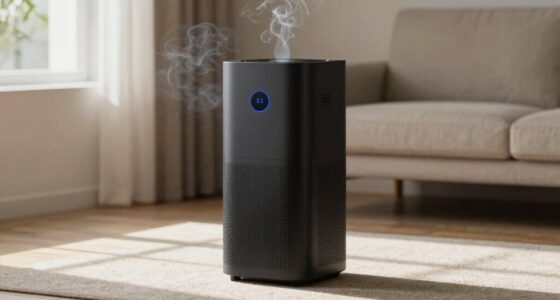
To effectively eliminate smoke smells, activated carbon can be a valuable tool because of its ability to adsorb airborne particles and chemicals that cause odors. It’s especially helpful for residual scents embedded in fabrics, carpets, and air. While it’s not a magic fix on its own, combining carbon with thorough cleaning and ventilation enhances results. If you want to understand how activated carbon works and how to use it properly, keep exploring the science behind it.

Get health and wellness essentials delivered free — and shop member deals
- Fast, free delivery on millions of items
- Access to Prime Big Deal Days deals on October 6–7
- Prime Video, Amazon Music and more included
Key Takeaways
- Activated carbon efficiently adsorbs smoke odor molecules from the air due to its porous structure.
- It is most effective when combined with thorough cleaning and ventilation for complete odor removal.
- Carbon helps reduce airborne smoke particles but cannot eliminate odors embedded in fabrics or surfaces alone.
- Regular replacement of activated carbon is necessary as it becomes saturated and loses effectiveness over time.
- Using activated carbon alongside cleaning methods enhances overall smoke odor elimination efforts.

Have you ever wondered how to effectively eliminate stubborn smoke odors from your home? If so, you’ve probably heard about using carbon, especially activated charcoal, as a remedy. But do you really need it? The science behind smoke smell removal suggests that activated carbon can be highly effective because of its unique properties. Smoke contains tiny particles and volatile organic compounds (VOCs) that cling to surfaces, fabrics, and air, making the smell persistent. Traditional cleaning methods often fall short because they don’t address these airborne and embedded molecules directly. That’s where carbon comes into play.
Activated carbon is a form of carbon treated to have a vast network of tiny pores, increasing its surface area dramatically. This porous structure acts like a sponge, trapping odors and chemicals through a process called adsorption, which differs from absorption. Instead of soaking in like a liquid, the odor molecules stick to the surface of the carbon particles, effectively removing them from the air. Because of this, activated carbon is widely used in air purifiers, odor neutralizers, and even in industrial settings to clean contaminated air.
Activated carbon’s porous surface traps odors and chemicals, effectively removing them from the air.
When smoke odor is particularly stubborn, simply ventilating the space may not be enough. The smell particles are often embedded deep within textiles, carpets, and upholstery, making them difficult to eliminate through cleaning alone. Here, activated carbon can serve as a supplementary method. Placing bowls of activated charcoal around the room or using carbon-based air filters can considerably reduce airborne odors. These methods work over time, gradually absorbing and neutralizing the smell molecules, resulting in fresher, cleaner air.
However, it’s important to understand that carbon isn’t a magic fix. While it’s effective at adsorbing many odors, it works best when combined with other cleaning techniques. Thoroughly washing or replacing fabrics, cleaning surfaces, and ventilating the space are vital steps. Activated carbon can enhance these efforts by tackling residual airborne particles that cleaning alone might miss. Also, keep in mind that the carbon’s effectiveness depends on its freshness and the extent of the smoke damage. Over time, the carbon becomes saturated and loses its ability to adsorb new odors, so replacing it is necessary. Additionally, understanding the properties of adsorption can help you choose the most effective odor control methods.
Frequently Asked Questions
How Long Does Carbon-Based Filtration Last in Smoke Odor Removal?
Carbon-based filters typically last between 3 to 6 months when used for smoke odor removal. You should replace them once they become saturated and lose effectiveness, which can be observed by a lingering smell or decreased airflow. Regularly check your filter, especially if you notice smoky odors persisting. Proper maintenance ensures you keep your space fresh and odor-free, maximizing the filter’s lifespan and performance.
Can Activated Charcoal Completely Eliminate All Types of Smoke Smells?
Absolutely, activated charcoal can eliminate most smoke smells, but it might not catch every scent, especially persistent or unique odors. Think of it as your trusty sidekick—great at tackling common smells like cigarette or campfire smoke, but sometimes it needs backup from air purifiers or thorough cleaning. While it’s effective, don’t expect it to be a magic bullet; some smells require a multi-pronged approach for full removal.
Are There Health Risks Associated With Using Carbon Filters for Smoke Odors?
Using carbon filters for smoke odors generally poses minimal health risks, especially when you follow manufacturer instructions. However, some concerns include potential inhalation of fine particles if filters are damaged or not maintained properly. guarantee proper ventilation while using them, and replace filters regularly to prevent mold or bacteria buildup. If you have respiratory issues, consult a healthcare professional before use. Proper handling and maintenance keep your environment safe and odor-free.
What Are the Differences Between Charcoal and Activated Carbon for Odor Control?
You might think charcoal and activated carbon are the same, but irony’s on your side—activated carbon actually packs a punch with tiny pores that trap odors more effectively. Regular charcoal, meanwhile, is just a lump of carbon with fewer traps, making it less efficient. So, if you’re serious about odor control, go for activated carbon; it’s like a supercharged filter designed to outsmart smoke smells.
Is DIY Carbon Filtration Effective Compared to Professional Smoke Odor Removal?
DIY carbon filtration can be somewhat effective, especially for small areas or light smoke odors, but it often falls short of professional removal. You might notice some improvement, but it typically doesn’t match the thoroughness of commercial systems. Professional treatments use specialized equipment and expertise, ensuring deeper odor removal. If you’re dealing with persistent or strong smoke smells, investing in professional services usually yields better, longer-lasting results.
Conclusion
So, next time smoke lingers in your space, picture the charcoal or activated carbon as silent sentinels, quietly capturing every smoky whisper. As you set them out, imagine the tiny pores acting like a sponge, drawing in the stubborn smell like a magnet. With each passing moment, you watch the haze fade, replaced by fresh, clean air—proof that science and simple materials can restore your space’s serenity, one tiny pore at a time.
Evergreen bestsellers Picks
bestsellers
As an affiliate, we earn on qualifying purchases.