
TL;DR

Get health and wellness essentials delivered free — and shop member deals
- Fast, free delivery on millions of items
- Access to Prime Big Deal Days deals on October 6–7
- Prime Video, Amazon Music and more included
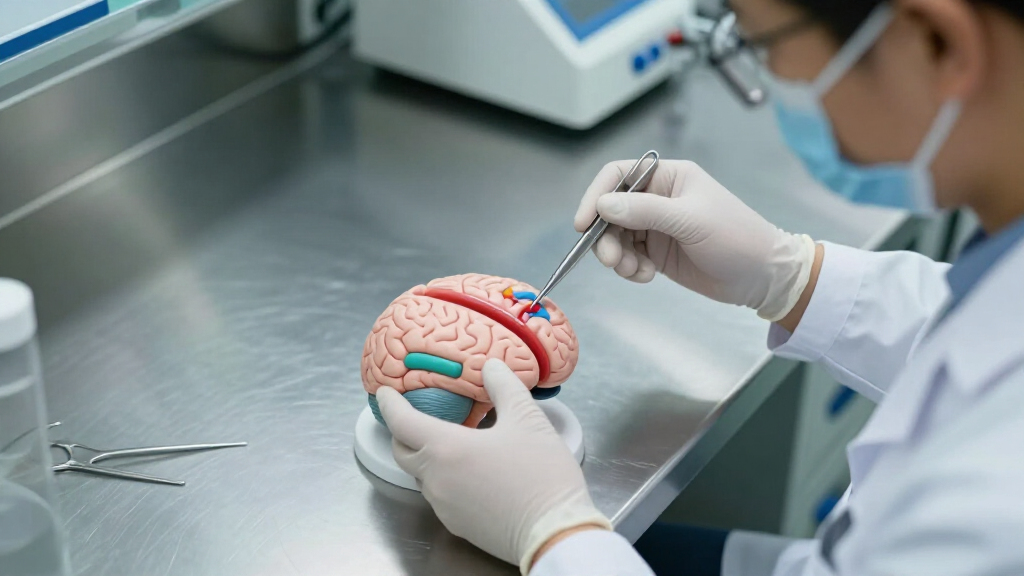
A controversial surgical procedure for Alzheimer’s disease is claimed to reverse symptoms, sparking debate among experts. Its safety and effectiveness are still under investigation, with no conclusive evidence yet.
A controversial surgical procedure for Alzheimer’s disease is being reported to reverse symptoms in some patients, according to initial claims from a medical team. While the procedure has generated significant attention, its safety, efficacy, and replicability are still unconfirmed and widely debated among experts.
The surgery, described by its proponents as a novel approach to modify brain activity, was performed on a small number of patients. According to the medical team involved, some individuals showed notable improvements in cognitive functions and memory recall shortly after the procedure. However, these claims are preliminary, and the study has not yet undergone peer review or been published in scientific journals.
Experts in neurology and neuroethics have raised concerns about the procedure’s safety, citing the lack of extensive clinical trials and potential risks associated with brain surgery. The medical team behind the procedure has stated that they are conducting further studies to evaluate long-term outcomes and safety profiles. Regulatory agencies have not yet issued formal approvals or guidelines for wider use of this technique.
Potential Impact on Alzheimer’s Treatment Landscape
If validated through rigorous clinical trials, this procedure could represent a breakthrough in treating Alzheimer’s disease, which currently has no cure. However, the controversy surrounding its safety and the preliminary nature of the claims mean that caution is warranted. The development could influence future research directions and spark regulatory debates about experimental treatments for neurodegenerative diseases.
Alzheimer's disease cognitive support supplements
As an affiliate, we earn on qualifying purchases.
As an affiliate, we earn on qualifying purchases.
Background on Alzheimer’s Treatments and Experimental Procedures
Alzheimer’s disease affects millions worldwide, with current treatments mainly focused on symptom management rather than reversal of the disease. Experimental approaches, including drug trials and brain stimulation techniques, are ongoing but have yet to produce definitive cures. The recent claims about this surgical procedure are among the most controversial and unverified in recent memory, raising questions about the boundaries of experimental medicine.
“While the initial reports are intriguing, we must approach these claims with caution until peer-reviewed research confirms safety and efficacy.”
— Dr. Susan Lee, neurologist
As an affiliate, we earn on qualifying purchases.
Unconfirmed Efficacy and Safety of the Procedure
It remains unclear whether the reported symptom reversals are sustainable or directly attributable to the surgical intervention. No large-scale clinical trials have confirmed safety, and independent experts question the reproducibility of these results. Regulatory approval is pending, and long-term effects are unknown.
Alzheimer's symptom management devices
As an affiliate, we earn on qualifying purchases.
As an affiliate, we earn on qualifying purchases.
Planned Clinical Trials and Regulatory Review Processes
Researchers and regulators are expected to initiate larger, controlled clinical trials to verify the claims. These studies will assess the safety, efficacy, and potential risks associated with the procedure. Patients and clinicians are advised to await peer-reviewed evidence before considering this technique as a treatment option.
neurodegenerative disease therapy tools
As an affiliate, we earn on qualifying purchases.
As an affiliate, we earn on qualifying purchases.
Key Questions
Is this surgery approved for general use?
No, the procedure has not received regulatory approval, and its safety and effectiveness are still under investigation.
What are the potential risks of this surgery?
Potential risks include brain damage, infection, unintended cognitive effects, and other surgical complications. These risks are not yet fully understood due to limited data.
Could this lead to a new cure for Alzheimer’s?
While the claims are promising, there is no confirmed evidence that this surgery can cure or reliably reverse Alzheimer’s disease at this stage.
When will more definitive results be available?
Further clinical trials are planned, and results from these studies are expected in the next 12-24 months, which will clarify the procedure’s safety and efficacy.
Source: hn
Fall Picks
fall essentials
As an affiliate, we earn on qualifying purchases.