TL;DR
Open a free Amazon Business account
Business pricing, bulk buying and tax-exempt orders.
Create a free accountAs an affiliate, we earn on qualifying purchases.
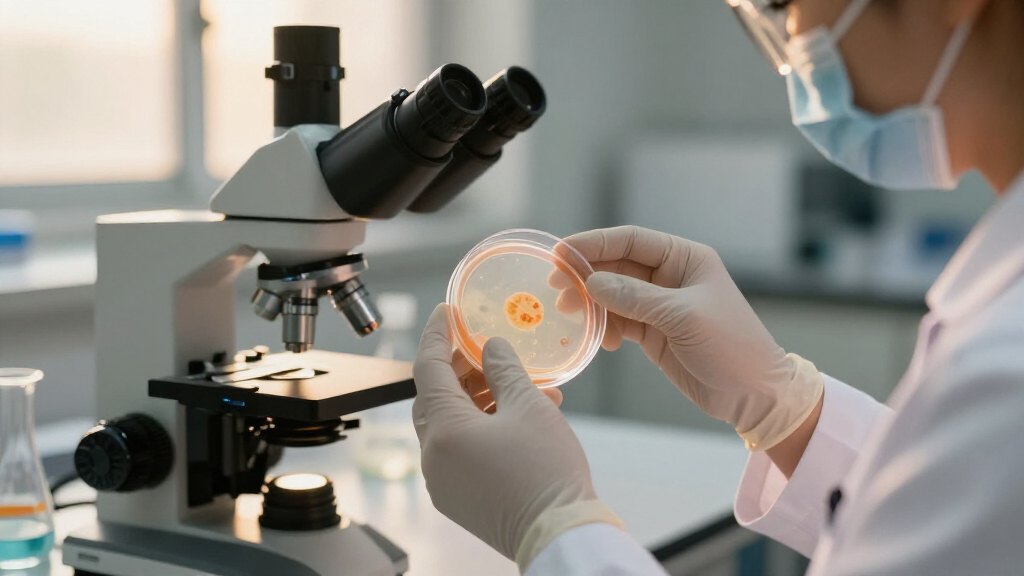
Recent reports indicate an increase in Candida auris cases in US healthcare facilities. This fungus is resistant to multiple antifungal drugs, posing a serious threat. Authorities are investigating the scope of the outbreak.
Health authorities in the United States have confirmed an increase in cases of Candida auris infections within hospital settings, raising concerns over its drug resistance and infection control challenges. The Centers for Disease Control and Prevention (CDC) announced that multiple states are experiencing outbreaks, prompting urgent investigations and heightened surveillance.
According to the CDC, over 300 cases of Candida auris have been identified across at least 10 states since the start of 2024. This fungus is known for its resistance to common antifungal medications and its ability to cause severe infections, especially among immunocompromised patients.
Health officials warn that Candida auris can persist on surfaces in healthcare environments and spread between patients if strict infection control measures are not followed. The CDC has issued guidance urging hospitals to enhance screening, sanitation, and isolation protocols to prevent further transmission.
Implications of the Candida Auris Outbreak for Healthcare Safety
This outbreak underscores the growing threat of drug-resistant fungal infections, which can lead to higher morbidity and mortality rates among vulnerable populations. Candida auris’s resistance to multiple antifungal drugs complicates treatment options, increasing the burden on healthcare systems and emphasizing the need for improved infection prevention strategies.
Public health officials stress that early detection and strict infection control are vital to controlling the spread. The incident highlights the importance of ongoing surveillance and research into new antifungal therapies to combat resistant fungi.
hospital-grade air purifier for infection control
As an affiliate, we earn on qualifying purchases.
As an affiliate, we earn on qualifying purchases.
Background on Candida Auris and Recent Developments
Candida auris was first identified in 2009 in Japan and has since emerged as a global health concern due to its resistance profile. It is often associated with outbreaks in healthcare facilities, particularly intensive care units, where vulnerable patients are treated.
Prior to this recent surge, the CDC issued warnings in 2021 about the increasing prevalence of Candida auris in the US, with cases doubling over two years. The fungus is difficult to eradicate from hospital environments, leading to persistent outbreaks in some regions.
Experts note that the pathogen’s ability to survive on surfaces and resist antifungal medications makes it a formidable challenge for infection control. The current increase in cases appears to be linked to lapses in sanitation protocols and increased hospitalizations during flu season.
“The rise in Candida auris cases is concerning because of its resistance and ability to spread rapidly in healthcare settings.”
— Dr. Anne Williams, CDC infectious disease specialist
antifungal surface disinfectant for healthcare facilities
As an affiliate, we earn on qualifying purchases.
As an affiliate, we earn on qualifying purchases.
Unresolved Questions About the Outbreak’s Scope and Impact
It is not yet clear how widespread the current outbreak will become or whether new strains of Candida auris with increased resistance are emerging. The full scope of cases across all states is still being assessed, and the effectiveness of current containment measures remains under evaluation.
personal protective equipment for infection prevention
As an affiliate, we earn on qualifying purchases.
As an affiliate, we earn on qualifying purchases.
Next Steps in Monitoring and Controlling Candida Auris Spread
Health authorities plan to increase surveillance, conduct environmental testing in affected hospitals, and issue updated guidelines for infection prevention. Researchers are also exploring new antifungal agents to address resistance issues. Monitoring reports over the coming weeks will determine if containment efforts are successful and whether additional outbreaks occur.
As an affiliate, we earn on qualifying purchases.
Key Questions
What is Candida auris and why is it dangerous?
Candida auris is a drug-resistant fungus that can cause serious infections, especially in hospitalized or immunocompromised patients. Its resistance to multiple antifungal drugs and ability to spread in healthcare settings make it a significant health threat.
How is Candida auris transmitted in hospitals?
The fungus can survive on surfaces and medical equipment, spreading through contact with contaminated surfaces or infected patients. Strict infection control protocols are essential to prevent transmission.
What measures are hospitals taking to control the outbreak?
Hospitals are increasing screening, enhancing cleaning procedures, isolating infected patients, and following CDC guidelines to limit spread. Ongoing environmental testing is also part of containment efforts.
Can Candida auris be treated effectively?
Treatment options are limited due to resistance, but some antifungal medications remain effective. The situation underscores the need for new therapies and early detection.
Is this outbreak a sign of a larger global problem?
Candida auris has been reported in multiple countries since 2009. The recent US surge reflects ongoing challenges with resistant fungi worldwide and highlights the importance of international surveillance and research.
Source: google-trends
Pool season Picks
robotic pool cleaners
As an affiliate, we earn on qualifying purchases.







![I Made Tinnitus My Friend, Then It Disappeared [Video]](https://breatheatlas.com/wp-content/uploads/2026/08/i-made-tinnitus-my-friend-then-it-disappeared-video-featured-260x140.jpg)