
TL;DR

Get health and wellness essentials delivered free — and shop member deals
- Fast, free delivery on millions of items
- Access to Prime Big Deal Days deals on October 6–7
- Prime Video, Amazon Music and more included
A BTU calculator estimates the cooling capacity needed for your space. It helps prevent undersizing or oversizing, saving energy and keeping you comfortable. Factors like sunlight, insulation, and occupancy influence the right size.
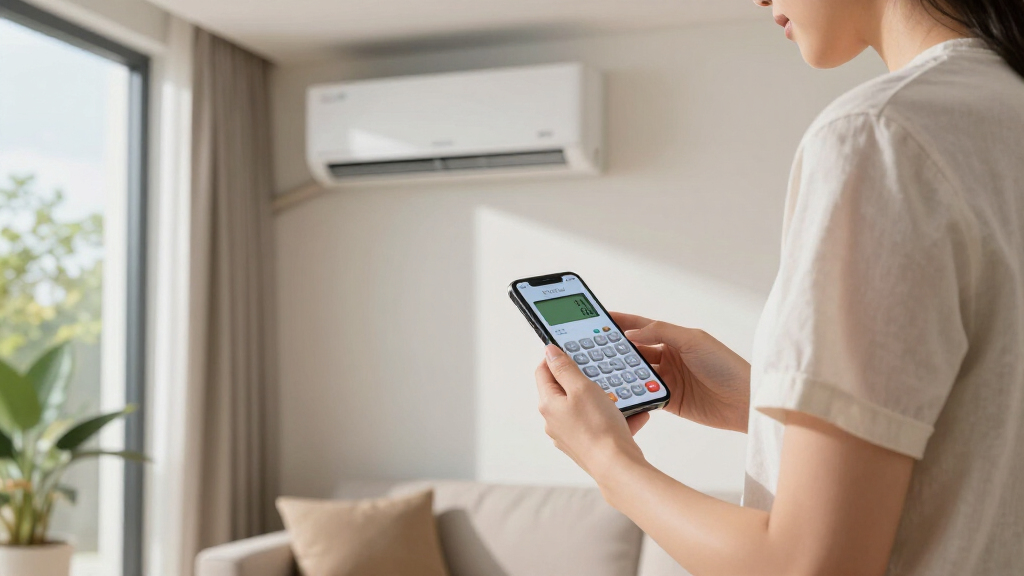
Ever bought an air conditioner that just doesn’t cool enough or cycles on and off constantly? It’s frustrating — and wasteful. The secret lies in sizing. A BTU calculator helps you find that sweet spot, matching your room’s unique heat load with the right cooling capacity.
In this quick guide, you’ll learn how a BTU calculator works, what factors influence the size you need, and how to avoid common pitfalls. Think of it as your personal shortcut to a comfortable, energy-efficient home.
Use a BTU calculator to match your room size, sunlight, insulation, and occupancy for best results.
Avoid oversizing — it leads to poor humidity control, higher energy bills, and faster wear on your AC.
Consider extra factors like ceiling height, window size, and climate when choosing your unit.
A quick table of room sizes and BTU needs helps you visualize the right capacity for your space.
Professional load calculations are recommended for complex spaces or large renovations.
What Is a BTU Calculator and Why Does It Matter?
A BTU calculator estimates the cooling power your room requires. It considers room size, sunlight, insulation, and more. Using it prevents the mistake of choosing an air conditioner that’s too small or too big.
For example, a 6000 BTU unit might seem perfect for a small bedroom, but if that room gets blazing afternoon sun, you could need closer to 8000 BTUs. A calculator helps you get it right the first time.
As an affiliate, we earn on qualifying purchases.
How to Use a BTU Calculator in 3 Simple Steps
- Measure your room’s floor area in square feet or meters.
- Adjust for sunlight, insulation, and occupancy. For example, add 600 BTU for each extra person or increase capacity by 10% for a sunny room.
- Input these factors into the calculator to get your ideal BTU size.
Imagine you have a 200 sq ft bedroom with large west-facing windows and high ceilings. Using these steps, you might find you need around 8,000 BTUs instead of the standard 6,000.
energy efficient portable air conditioner
As an affiliate, we earn on qualifying purchases.
As an affiliate, we earn on qualifying purchases.
Compare Common Room Sizes and BTU Needs
| Room Size | Estimated BTU Capacity |
|---|---|
| 100 sq ft | 5,000 BTU |
| 200 sq ft | 6,000 BTU |
| 300 sq ft | 8,000 BTU |
| 400 sq ft | 10,000 BTU |
| 500 sq ft | 12,000 BTU |
This quick reference helps you visualize what size matches your space. Remember, larger rooms or those with lots of windows may need more capacity than the chart suggests.
As an affiliate, we earn on qualifying purchases.
Why Bigger Isn’t Always Better — The Risks of Oversizing
Choosing a unit that’s too large might seem tempting, but it can cause problems. Oversized air conditioners cool rooms too quickly, leaving humidity behind. This can result in a clammy, uncomfortable environment that feels cool but isn’t actually comfortable. Moreover, oversized units cycle on and off more frequently, which leads to increased wear and tear, reducing the lifespan of your AC and increasing maintenance costs.
For example, a 12,000 BTU unit in a 300 sq ft room might turn on and off constantly, wasting energy and causing wear. Proper size ensures smoother operation and better humidity control, especially with inverter systems that adapt their output. This balance is crucial because it impacts your comfort, energy bills, and the longevity of your investment in cooling equipment.
room size specific air conditioner
As an affiliate, we earn on qualifying purchases.
As an affiliate, we earn on qualifying purchases.
Beyond Size: Adjusting for Your Room’s Unique Features
A simple room size estimate isn’t enough. Factors like high ceilings, sun exposure, insulation, and the number of occupants change the load. For example, a high-ceiling living room with big southern windows might need 25% more cooling capacity than the standard estimate.
Use these adjustments to refine your choice. It’s like tailoring a suit — small tweaks make a big difference in comfort and efficiency.
Frequently Asked Questions
How many BTUs do I need per square foot?
A common rule is about 20 BTU per square foot. Adjust this based on sunlight, insulation, and occupancy for a more accurate size.
Should I calculate using floor area or room volume?
Floor area works well for standard rooms, but if ceilings are unusually high, calculating volume can give a more precise load estimate.
What size AC do I need for my bedroom?
Measure your room’s square footage first. For most bedrooms, 5,000–8,000 BTUs will do, but consider sunlight and occupancy for fine-tuning.
Can one AC cool multiple rooms?
Yes, if the rooms are open and connected. Otherwise, separate zones or units give better control and efficiency.
Is an inverter AC size critical?
Inverter units can handle a wider range of loads and are more flexible. Still, correct sizing prevents short cycling and humidity issues.
Conclusion
Picking the right air conditioner starts with understanding your space’s true cooling needs. A simple BTU calculator turns guesswork into precision — saving you energy and boosting comfort.
Remember, bigger isn’t always better. Think of your AC as a finely tuned instrument, not a sledgehammer. When in doubt, measure carefully and choose wisely—your wallet and comfort will thank you.
Air Conditioner BTU Calculator
Estimate a right-size cooling range from room area, ceiling height, sun exposure, and occupancy.
Your estimate fits a compact room unit. Compare 6,000 BTU air conditioners sized for smaller rooms.
See compact AC matchesYour estimate lands in the mid-size range. Compare 8,000 BTU window air conditioners for bedrooms or offices.
See mid-size AC matchesYour estimate needs a larger-capacity unit. Compare 12,000 BTU air conditioners and confirm room conditions before buying.
See larger AC matchesEstimate only. Check product specs, local rates, and site conditions before buying or planning around these numbers.
Evergreen bestsellers Picks
bestsellers
As an affiliate, we earn on qualifying purchases.