

TL;DR
Listen free for 30 days with Audible
Thousands of audiobooks and originals — cancel anytime.
As an affiliate, we earn on qualifying purchases.
Ugandan health officials confirmed an outbreak of Bundibugyo Ebola virus, a less common strain. The situation is under investigation, with confirmed cases and ongoing efforts to contain spread. Details remain evolving.
Ugandan health officials confirmed the first cases of Bundibugyo Ebola virus in the country on May 19, 2026, prompting urgent public health responses. The outbreak involves confirmed infections, with authorities working to contain the spread and understand the virus’s symptoms and transmission.
The Ugandan Ministry of Health announced that several individuals have tested positive for the Bundibugyo Ebola virus, a strain less common than the Ebola Zaire strain but known for causing severe illness. The cases were identified through laboratory testing following reports of hemorrhagic symptoms and fever among residents in the western districts of Uganda. Health officials have initiated contact tracing and quarantine measures to prevent further transmission.
According to the World Health Organization (WHO), the Bundibugyo strain was first identified in Uganda in 2008 and has caused sporadic outbreaks since. Symptoms typically include high fever, severe headache, muscle pain, vomiting, diarrhea, and in some cases, bleeding. The virus spreads through contact with bodily fluids of infected individuals or contaminated surfaces. No specific antiviral treatment exists; supportive care remains the primary approach. As of now, no deaths have been officially reported, but the situation remains fluid as investigations continue.
Why It Matters
This outbreak is significant because it involves a less common Ebola strain, which may pose unique challenges for diagnosis and containment. The emergence of new cases raises concerns about potential wider spread, especially in regions with limited healthcare infrastructure. The event underscores the ongoing risk of Ebola outbreaks in Central Africa and highlights the importance of rapid response and preparedness to prevent a larger epidemic.

Cuffbow 9 Pcs XL Personal Protective Equipment (PPE) Safety Kit Includes Safety Glasses, Earplugs, Hard Hat, Nitrile Gloves, Reflective Vest for Construction Site Protection, Warehouse Operations
- Complete PPE Protection Set: Includes safety glasses, helmet, gloves, vest, and earplugs
- High-Visibility Reflective Vest: Bright mesh with wide reflective strips for visibility
- Versatile Industry Use: Suitable for construction, warehouse, factory, and DIY
As an affiliate, we earn on qualifying purchases.
As an affiliate, we earn on qualifying purchases.
Background
The Bundibugyo Ebola virus was first identified during an outbreak in Uganda in 2008, which resulted in over 200 cases and a case fatality rate of approximately 36%. Since then, sporadic cases have been reported, but large-scale outbreaks have been rare. The current emergence marks the first confirmed cases in Uganda this year, following previous outbreaks in neighboring regions. The country has a history of Ebola outbreaks, with previous responses involving vaccination campaigns and community engagement efforts, but challenges remain in containment and resource allocation.
“We are actively investigating the confirmed cases and implementing measures to contain the spread of the Bundibugyo virus. The public should remain vigilant and follow health advisories.”
— Dr. John Mugisha, Uganda Ministry of Health spokesperson
“The detection of the Bundibugyo strain in Uganda highlights the need for continued surveillance and preparedness for various Ebola strains.”
— WHO spokesperson

Inspire Cobalt Blue Nitrile Disposable Gloves | 4.5 Nitrile Safety Medical Exam Cooking Cleaning Disposable Gloves (Blue – Box of 100, Large)
- Original Quality: Strong, rip-free, durable nitrile gloves
- Enhanced Strength & Dexterity: Puncture resistant with superior tactile control
- Trusted by Professionals: Medical-grade gloves for various professional uses
As an affiliate, we earn on qualifying purchases.
As an affiliate, we earn on qualifying purchases.
What Remains Unclear
It is still unclear how many total cases are involved, the exact number of confirmed deaths, or whether the outbreak has spread beyond the initial districts. The full scope of transmission and the effectiveness of containment measures are still being assessed as investigations continue.
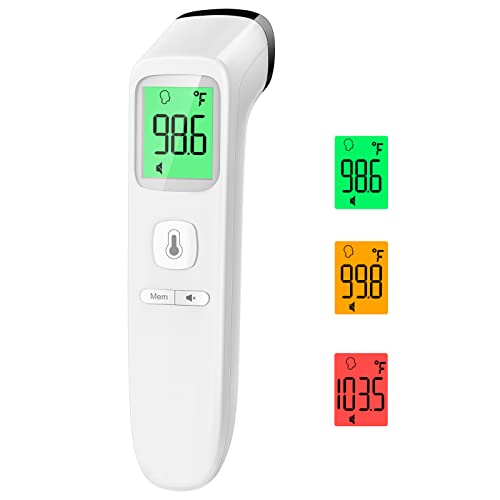
No-Touch Thermometer for Adults and Kids, Accurate Digital Baby Thermometer
- Reliable and Accurate: Clinically tested forehead readings
- Fast and Easy to Use: Point and press for quick results
- Infrared Technology: Displays Celsius or Fahrenheit
As an affiliate, we earn on qualifying purchases.
As an affiliate, we earn on qualifying purchases.
What’s Next
Health authorities will continue contact tracing, testing, and monitoring to determine the outbreak’s extent. Vaccination campaigns and community engagement efforts are expected to be ramped up. Further updates are anticipated as more data becomes available and containment efforts unfold.

Lysol All Purpose Cleaner Spray, Multi-Purpose Disinfecting Spray, Kitchen & Bathroom Cleaner, Lemon Breeze Scent, 32 Fl Oz
- Kills 99.9% of Viruses and Bacteria: Includes COVID-19 virus protection
- Deep Cleans and Removes Germs: Eliminates 99.9% of germs, soap scum, grease
- Multi-Surface Disinfectant: Suitable for counters, sinks, stoves, and more
As an affiliate, we earn on qualifying purchases.
As an affiliate, we earn on qualifying purchases.
Key Questions
What are the symptoms of Bundibugyo Ebola virus?
Symptoms include high fever, severe headache, muscle pain, vomiting, diarrhea, and bleeding in some cases. These symptoms typically appear 2 to 21 days after exposure.
How is the Bundibugyo Ebola virus transmitted?
The virus spreads through contact with bodily fluids of infected individuals, contaminated surfaces, or materials. It does not spread through the air like respiratory viruses.
Is there a vaccine for the Bundibugyo Ebola virus?
Currently, no specific vaccine exists for this strain, but the rVSV-ZEBOV vaccine has shown effectiveness against other Ebola strains and is being used in outbreak responses where applicable.
What measures can prevent infection?
Preventive measures include avoiding contact with infected persons or their bodily fluids, practicing good hygiene, and following health advisories issued by local authorities.
Are there treatments available?
There are no specific antiviral treatments for Ebola. Supportive care, including hydration and symptom management, is the primary approach. Experimental therapies are under investigation.
Source: NYT · Well
Baby shower & registry season Picks
baby registry must-haves
As an affiliate, we earn on qualifying purchases.