
To help manage eczema caused by dry indoor air, you should use a humidifier to keep humidity levels between 30-50%. Maintain a comfortable temperature between 68-72°F and wear soft, breathable clothing. Apply thick, fragrance-free moisturizers immediately after bathing to lock in moisture, and keep showers brief with lukewarm water. Ventilate your space while preventing drafts, and consider adding houseplants to naturally increase humidity. For more helpful tips, continue exploring ways to improve your indoor environment.
Key Takeaways
- Use a humidifier to maintain indoor humidity levels between 30-50%, reducing skin dryness.
- Keep indoor temperatures steady between 68-72°F and avoid rapid fluctuations to retain skin moisture.
- Apply thick, fragrance-free moisturizers immediately after bathing to lock in skin hydration.
- Wear breathable fabrics like cotton or silk and change out of wet clothes promptly to prevent irritation.
- Incorporate houseplants to naturally increase indoor humidity and improve air quality for sensitive skin.
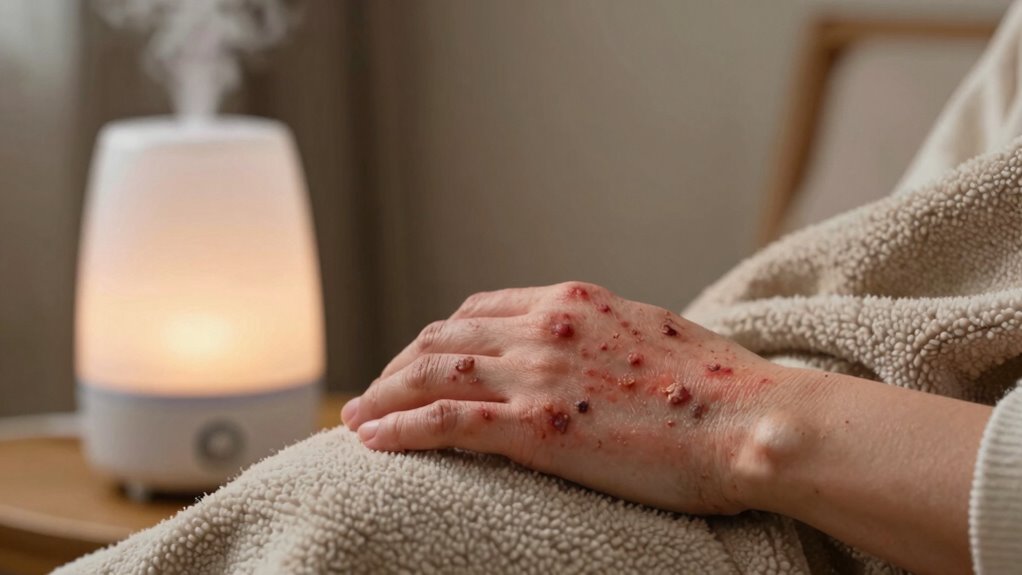
Have you ever noticed your eczema flaring up more during dry weather? If you have, you’re not alone. Dry air can strip moisture from your skin, making eczema symptoms worse and causing discomfort. When indoor air becomes arid, it’s easier for your skin’s natural barrier to break down, leading to increased dryness, redness, and itching. Luckily, there are practical steps you can take to keep your skin hydrated and soothe eczema flare-ups indoors.
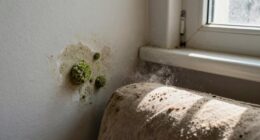
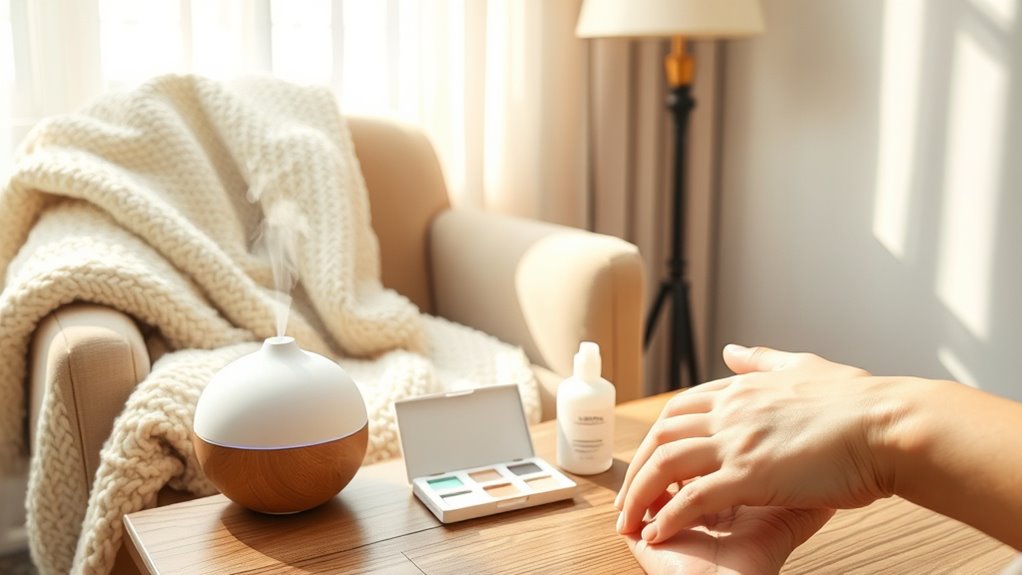
One of the most effective ways to combat dry air is to use a humidifier. This device adds moisture back into the air, creating a more skin-friendly environment. When you keep the humidity level between 30% and 50%, it helps prevent your skin from becoming overly dry. Be sure to clean your humidifier regularly to prevent mold and bacteria buildup, which can worsen skin issues. Placing a humidifier in your bedroom or living area ensures that your skin stays moisturized throughout the day and night.
In addition to a humidifier, managing indoor temperature is essential. Very hot or cold air can contribute to skin dehydration. Maintain a comfortable temperature, ideally around 68-72°F (20-22°C), and avoid rapid fluctuations. This stability helps your skin retain moisture and reduces the risk of flare-ups. Also, try to keep your home well-ventilated but avoid direct drafts from heating or cooling vents that may dry out your skin. Incorporating air quality management practices can further enhance indoor comfort and skin health.
Another practical tip involves your clothing choices. Wear soft, breathable fabrics such as cotton or silk that don’t irritate your skin. Avoid wool or synthetic materials that can trap heat and moisture, leading to increased irritation. When you come indoors, change out of wet or sweaty clothes promptly, as moisture on your skin can worsen eczema symptoms in dry environments.
You should also pay close attention to your skincare routine. Use thick, fragrance-free moisturizers regularly—especially after bathing—to lock in moisture. Applying ointments or thick creams creates a protective barrier that helps prevent moisture loss. Keep your baths or showers brief and use lukewarm water instead of hot to avoid stripping your skin’s natural oils. Pat your skin dry gently rather than rubbing, then apply moisturizer immediately to seal in hydration.
Finally, consider your overall environment. Reduce exposure to indoor heating sources like radiators or space heaters that can dry out the air further. Incorporate houseplants, which naturally humidify the air, into your living space if possible. All these measures combined can make a significant difference, helping your skin stay hydrated and reducing eczema flare-ups during dry indoor conditions.
Frequently Asked Questions
Can Humidifiers Worsen Eczema Symptoms?
Yes, humidifiers can worsen eczema symptoms if not used properly. If the air becomes too humid, it promotes mold growth and dust mites, which can trigger eczema flare-ups. Additionally, dirty humidifiers can spread bacteria and mold, irritating your skin further. To prevent this, keep your humidifier clean, maintain ideal humidity levels (around 30-50%), and monitor your skin’s response. Proper use helps manage dryness without exacerbating eczema.
What Indoor Plants Help Increase Humidity Safely?
Picture a lush rainforest, teeming with life; indoor plants can do the same for your space. Peace lilies, Boston ferns, and spider plants are excellent choices, as they release moisture into the air safely. You’ll find them easy to care for, and they naturally boost humidity levels, helping soothe eczema symptoms. Keep them healthy with regular watering, and enjoy a greener, more comfortable indoor environment.
Are There Specific Air Purifiers That Benefit Eczema?
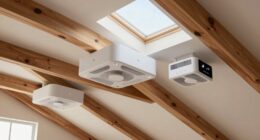
Yes, certain air purifiers can help soothe eczema by reducing airborne irritants. Look for models with HEPA filters, as they trap dust, pet dander, mold spores, and pollen that can trigger flare-ups. Avoid purifiers with strong fragrances or ozone generators, which may worsen symptoms. Using a purifier consistently in your bedroom or living space creates a cleaner environment, helping your skin stay calmer and reducing eczema irritation.
How Does Temperature Affect Eczema Flare-Ups Indoors?
Like a gentle breeze guiding a sailboat, a stable indoor temperature keeps eczema flare-ups at bay. When it’s too hot, your skin feels scorched, triggering irritation. Cold air can cause dryness, making flare-ups worse. Maintaining a moderate, consistent temperature helps soothe your skin, reducing inflammation and discomfort. Use a thermostat to keep your home cozy and avoid sudden temperature changes that could upset your skin’s delicate balance.
Can Clothing Materials Impact Eczema in Dry Environments?
Yes, clothing materials can impact eczema in dry environments. Opt for soft, breathable fabrics like cotton or silk, which reduce irritation and moisture loss. Avoid rough or synthetic materials that can chafe your skin and trap heat, worsening dryness and flare-ups. Wearing loose-fitting clothes allows better air circulation, helping to keep your skin cool and moist. Taking these steps can considerably soothe your eczema symptoms indoors.
Conclusion
To keep your eczema calm and your skin happy, control the indoor air moisture and avoid dry environments. Using a humidifier, moisturizing regularly, and avoiding harsh soaps can make a huge difference. Think of your skin as a delicate flower—keep it hydrated, and it’ll flourish. Don’t let dry air turn your skin into a cracked desert; instead, create an oasis of moisture that keeps your skin smooth and comfortable every day.