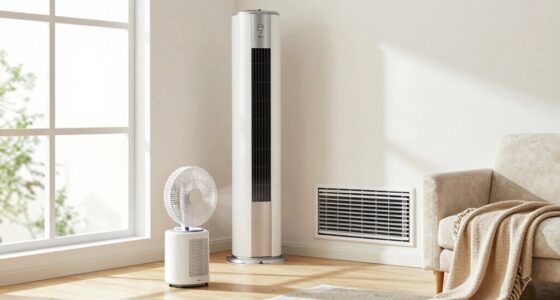
When trying to figure out if you’re dealing with allergies or a cold, pay attention to your indoor air quality. If your symptoms like sneezing, itchy eyes, and congestion improve when you’re outside, allergies might be the culprit. High humidity and dust can also indicate an environment conducive to allergy triggers. Managing ventilation, humidity, and allergens can markedly impact your comfort. Keep discovering how to improve your indoor air and relieve your symptoms.

Get health and wellness essentials delivered free — and shop member deals
- Fast, free delivery on millions of items
- Access to Prime Big Deal Days deals on October 6–7
- Prime Video, Amazon Music and more included
Key Takeaways
- Monitor indoor air quality to identify pollutants that may cause respiratory discomfort, helping distinguish between allergies and cold symptoms.
- Observe symptom onset related to specific environments or seasons, as allergies often worsen in particular conditions.
- Regularly check humidity levels; excessive moisture encourages mold growth, which can mimic cold symptoms and trigger allergies.
- Maintain proper ventilation and clean surfaces to reduce allergen accumulation, aiding in the differentiation of allergy symptoms from cold symptoms.
- Use air purifiers to decrease airborne allergens, potentially alleviating allergy symptoms that may be confused with cold-related discomfort.
Understanding the Symptoms of Allergies and Colds

When you start sneezing, coughing, or feeling a scratchy throat, it can be tough to tell whether you’re battling a cold or seasonal allergies. Colds often come with body aches and fever, while allergies usually cause itchy eyes and a runny nose. Pay attention to when your symptoms arise; if they worsen in certain environments, allergens might be to blame. To improve your indoor air quality, consider the air purifier benefits, which can help remove airborne particles that trigger allergies. Additionally, investing in allergen-proof bedding can keep dust mites and other irritants at bay, providing a more comfortable sleeping environment. Knowing these differences can help you manage your symptoms effectively and maintain a healthier home. Regularly changing your filters and understanding clean-home systems can also greatly enhance your indoor air quality. Furthermore, utilizing air purifiers in your living spaces can significantly reduce the presence of harmful pollutants and allergens, much like how color accuracy enhances the visual experience in home cinema projectors. Incorporating natural filtration systems into your indoor environment can further improve air quality and promote overall wellness. Additionally, having seasonal attractions like water parks nearby can encourage outdoor activities that may help alleviate some allergy symptoms.
The Role of Humidity in Your Indoor Environment

Humidity plays an essential role in your indoor environment, influencing both comfort and health. Maintaining the right humidity level, ideally between 30% and 50%, can help prevent issues like mold growth, which thrives in damp conditions. If humidity levels are too high, you might notice musty odors and increased allergy symptoms. On the other hand, low humidity can cause dry skin and respiratory discomfort. To achieve effective humidity control, consider using dehumidifiers or humidifiers as needed. Regularly check humidity levels with a hygrometer to ensure they stay within the ideal range. By managing humidity, you not only enhance your comfort but also promote a healthier indoor space free from allergens and potential health risks. Additionally, better indoor air quality can be achieved by understanding the importance of humidity in preventing respiratory issues. Proper humidity levels can also help reduce the likelihood of mold growth and its associated health effects. Furthermore, maintaining optimal humidity can improve your overall sleep quality, as sleep hygiene is closely linked to the comfort of your sleeping environment. This can lead to a more functional home where everyone feels relaxed and at ease. Smart indoor gardens can also contribute to maintaining optimal humidity levels, as automated watering systems help regulate moisture in the air while promoting healthy plant growth.
Identifying Dust and Allergens in Your Home

Although you may not see them, dust and allergens can accumulate in your home, affecting your indoor air quality and health. Identifying these irritants is essential to creating a safe environment. Here are some signs to watch for:
- Persistent sneezing or coughing
- Itchy, watery eyes
- Nasal congestion or sinus pressure
- Unexplained fatigue
- Skin irritations or rashes
Using an air purifier can greatly reduce airborne particles, providing noticeable air purifier benefits. Additionally, investing in allergen proof bedding helps create a barrier against dust mites and other allergens, ensuring you sleep better. Regularly cleaning surfaces and using effective weed killers can also contribute to a healthier indoor environment. Furthermore, ensuring that your home has a reliable whole-home backup power system can help maintain consistent air circulation and filtration during power outages. By staying proactive, you can minimize allergens and breathe easier in your home. Moreover, incorporating smart gear can further enhance your indoor air quality and overall comfort. Understanding how dark psychology tactics can lead to increased stress can also help you maintain a more peaceful living space.
The Impact of Pet Dander on Your Health

If you have pets, you might notice common symptoms like sneezing, itching, or coughing, which can be signs of pet dander affecting your health. Reducing your exposure to this allergen can make a significant difference in how you feel at home. Let’s explore effective ways to minimize pet dander and improve your indoor air quality. Additionally, maintaining adequate space for your pets can help reduce the spread of allergens in your living environment. Providing your pets with top dog beds can not only offer them comfort but also help contain dander to specific areas. Incorporating sustainability practices in your home can also contribute to better air quality and overall health. For instance, keeping your home free of cryptid mysteries can reduce the psychological stress that might exacerbate allergy symptoms. Furthermore, ensuring your home is equipped with air purification systems can significantly lower the levels of pet dander and other allergens in the air.
Common Symptoms Experienced
When you share your home with pets, you’re likely to encounter pet dander, which can trigger a range of common symptoms. These symptoms often resemble cold symptom variations but can be more persistent, especially if you’re sensitive to seasonal allergy triggers.
You might experience:
- Sneezing and nasal congestion
- Itchy, watery eyes
- Coughing or wheezing
- Skin rashes or irritation
- Fatigue or general malaise
Recognizing these symptoms is essential, as they can considerably impact your daily life. If you notice these signs, it’s important to assess your environment and understand how pet dander affects your well-being. Additionally, unique textures in your home decor may capture allergens, further aggravating your symptoms. Being proactive can help ease your discomfort and improve your quality of life while living with your furry friends. Furthermore, understanding the impact of necessary cookies on your browsing experience can help you manage your online health information effectively. Additionally, monitoring website performance metrics can provide insights into how environmental factors affect your health.
Reducing Pet Dander Exposure
Understanding how pet dander affects your health is the first step toward reducing your exposure and improving your living environment. Regular pet grooming considerably lowers dander levels, so brush your pet frequently. Also, consider investing in allergen proof bedding to minimize exposure while you sleep.
Here’s a quick guide to help you reduce pet dander:
| Action | Benefits |
|---|---|
| Regular Pet Grooming | Reduces dander and hair |
| Allergen Proof Bedding | Prevents allergens from accumulating |
| Vacuum with HEPA Filter | Traps allergens effectively |
| Frequent Washing | Keeps surfaces dander-free |
Seasonal Changes and Their Effects on Symptoms

As seasons shift, your indoor air quality can change dramatically, often triggering various symptoms. You may notice that seasonal pollen and outdoor air quality impact your comfort at home. The following signs might indicate that seasonal changes are affecting you:
- Sneezing fits that seem relentless
- Itchy, watery eyes that distract you
- Nasal congestion that makes breathing difficult
- Coughing that lingers longer than usual
- Fatigue that leaves you feeling drained
These symptoms can vary depending on the time of year, with spring often bringing high pollen counts. By recognizing these clues, you can better navigate your indoor environment and seek relief from discomfort. Don’t ignore these signals—your well-being depends on it!
Monitoring Indoor Air Quality

To keep your indoor air healthy, you need to monitor key factors like humidity levels and airborne particles. High humidity can lead to mold growth, while allergens can trigger various health issues. Regularly checking your ventilation system’s efficiency also guarantees that your home stays fresh and breathable.
Humidity Levels Impact Health
Humidity levels in your home can markedly affect your health, especially if they’re too high or too low. Proper humidity control is essential to maintain the right amount of air moisture, which can impact your well-being. Here’s how it can affect you:
- You might experience dry skin and irritated eyes.
- High humidity can lead to mold growth, worsening allergies.
- Low humidity may cause respiratory issues or worsen asthma.
- Uncomfortable humidity levels can disrupt your sleep quality.
- It can even affect your mood and energy levels.
Airborne Particles and Allergens
How can you guarantee the air in your home is safe and healthy? Monitoring airborne particles is essential. Start by identifying common allergen sources like dust mites, pet dander, mold, and pollen. These irritants can trigger allergies and asthma symptoms. Use a high-efficiency particulate air (HEPA) filter in your vacuum and air purifiers to capture these particles effectively. Regularly clean your home to reduce dust accumulation and minimize exposure to allergens. You can also consider using an indoor air quality monitor to track levels of specific airborne particles. This way, you can take prompt action if the air quality deteriorates, ensuring a safer environment for you and your family. Clean air promotes better health and overall well-being.
Ventilation System Efficiency
While monitoring airborne particles is key to maintaining good air quality, the efficiency of your ventilation system plays a vital role as well. You need to guarantee proper air filter maintenance and ventilation optimization to keep your indoor environment healthy. Here are some emotional impacts of neglecting your ventilation system:
- Allergies can worsen, affecting your daily life.
- Unpleasant odors may linger, making your home uncomfortable.
- Mold growth can lead to health issues and costly repairs.
- Dust and pollutants can trigger asthma attacks.
- Family members may feel fatigued and irritable.
The Importance of Ventilation

Proper ventilation is essential for maintaining a healthy indoor environment, as it helps remove stale air and brings in fresh oxygen. You need effective air exchange to guarantee that pollutants, allergens, and excess moisture are expelled from your space. This process not only improves air quality but also reduces the risk of respiratory issues. Additionally, good air filtration systems can capture harmful particles, enhancing your indoor air quality even further. By regularly checking and maintaining your ventilation systems, you can ensure that your home or workspace remains fresh and comfortable. Remember, proper ventilation isn’t just about comfort; it’s fundamental for your overall health. Don’t overlook this critical aspect of indoor living. Prioritize ventilation for a healthier atmosphere!
Recognizing Patterns in Your Symptoms

Recognizing patterns in your symptoms can be crucial for identifying potential indoor air quality issues. When you notice recurring symptoms, consider the environment around you. Take note of when your discomfort peaks and how it aligns with your indoor conditions. Here are some signs to watch for:
Identifying patterns in your symptoms can help uncover indoor air quality problems and improve your living environment.
- Sneezing or coughing that worsens indoors
- Itchy eyes or skin irritations during specific seasons
- Fatigue that improves after leaving your home
- Congestion that clears up when you’re away
- Frequent headaches in a particular room
Seeking Professional Help and Testing

If you’re experiencing persistent symptoms linked to indoor air quality, seeking professional help and testing can provide clarity and solutions. Professionals can conduct air quality tests to identify allergens, pollutants, or mold in your home. Understanding these factors is vital for effective treatment and mold prevention.
Additionally, a specialist can recommend the best air purification solutions tailored to your needs. The air purifier benefits include reducing airborne irritants and improving overall air quality, which can alleviate your symptoms. Don’t hesitate to reach out for assistance; addressing these issues early can greatly enhance your indoor environment and your well-being. Taking action now could lead to a healthier, more comfortable home.
Tips for Managing Indoor Allergens and Colds

Managing indoor allergens and cold symptoms can make a big difference in your comfort at home. Start by identifying common allergens like dust, pet dander, and mold, and then take steps to reduce their presence. Additionally, implementing simple remedies can help alleviate your cold symptoms and keep you feeling better.
Identifying Indoor Allergens
While you might not realize it, indoor allergens can lurk in various places throughout your home, affecting your health and comfort. Identifying these allergens is essential for maintaining a healthy environment. Here are some common sources you should check:
- Dust mites hiding in bedding
- Pet dander from furry friends
- Mold in damp areas like bathrooms
- Pollen that sneaks in through windows
- Smoke from cooking or nearby fires
Consider investing in an air purifier to reduce allergens effectively. Additionally, use mold prevention tips like keeping humidity low and ensuring proper ventilation. By tackling these indoor allergens, you can breathe easier and feel better at home.
Reducing Cold Symptoms
As you navigate through cold symptoms, addressing indoor allergens can make a significant difference in your comfort. Using an air purifier can help reduce irritants in the air, allowing you to breathe easier. Additionally, incorporating allergy-friendly plants can enhance your indoor environment while improving air quality.
Here are some tips to manage allergens and cold symptoms:
| Tip | Benefit |
|---|---|
| Use an air purifier | Filters out dust and allergens |
| Keep windows closed | Reduces outdoor allergens |
| Regularly wash bedding | Removes dust mites and pollen |
| Incorporate houseplants | Plants like spider and peace lily |
| Maintain humidity levels | Prevents mold and dust buildup |
Frequently Asked Questions
Can Indoor Plants Trigger Allergies or Colds?
Yes, indoor plants can trigger allergies. If you notice sneezing, itchy eyes, or a runny nose, you might be experiencing indoor plant allergies. These symptoms often overlap with cold vs allergy symptoms, making it tricky to identify the cause. Dust, mold, or pollen from plants can aggravate your sensitivities. If you suspect your plants are the issue, consider moving them or keeping them well-maintained to reduce your discomfort.
How Often Should I Change My Air Filters?
Changing your air filters is like regularly tuning a musical instrument; it keeps everything in harmony. You should replace them every 1 to 3 months, depending on factors like your HVAC system’s usage and the number of pets in your home. Consistent air filter maintenance not only improves air quality but also enhances your HVAC system’s efficiency. Don’t forget to check them monthly for dirt buildup; it’s a simple step for better airflow!
What Are the Best Air Purifiers for Allergens?
The best air purifiers for allergens often feature advanced air purifier technology, especially models with HEPA filter efficiency. These purifiers can trap 99.97% of airborne particles, including pollen and dust mites, ensuring cleaner indoor air. Look for units with additional features like activated carbon filters for odors and smart sensors that adjust performance based on air quality. Brands like Dyson, Honeywell, and Coway are excellent choices to analyze for effective allergen removal.
Can Temperature Changes Affect Allergy Symptoms?
Yes, temperature changes can definitely affect your allergy symptoms. In fact, studies show that about 30% of people with allergies report worsened symptoms during temperature fluctuations. When humidity levels rise, allergens like mold and dust mites thrive, while low humidity can dry out your nasal passages, making you more susceptible. Good air circulation can help maintain balanced humidity levels, reducing allergens and keeping your symptoms in check.
Are There Specific Foods That Worsen Allergy Symptoms?
Yes, certain foods can worsen your allergy symptoms. Common food triggers like dairy, eggs, nuts, and shellfish can act as allergy aggravators for many people. When you consume these foods, your immune system might overreact, leading to increased inflammation and discomfort. It is crucial to identify and avoid your specific triggers. Keeping a food diary can help you track which foods cause issues, allowing you to manage your symptoms more effectively.
Conclusion
In the battle against allergies and colds, knowledge is your best ally. By tuning into your indoor environment, you can uncover hidden clues that reveal the true culprit behind your symptoms. Just as Sherlock Holmes pieced together evidence, use your observations to discern patterns and take action. Remember, a little ventilation and a dust-free home can go a long way. So, arm yourself with these insights, and reclaim your comfort from the invisible foes lurking in your space!
Cold & flu season Picks
humidifiers
As an affiliate, we earn on qualifying purchases.