TL;DR

Get health and wellness essentials delivered free with Prime
- Fast, free delivery on millions of items
- Prime Video, Amazon Music and more included
- Member-only deals all year
Elisha Goldstein, psychologist and mindfulness teacher, discusses his new book ‘Tiny Shifts’ and a four-step method for making lasting change through small, mindful adjustments. The approach emphasizes recognizing, releasing, refocusing, and reinforcing emotional patterns to break free from negative loops.
Psychologist and mindfulness teacher Dr. Elisha Goldstein has introduced a new approach called the ‘Tiny Shifts’ method, emphasizing that lasting change often results from small, intentional adjustments rather than dramatic overhauls. His new book details a four-step process—Recognize, Release, Refocus, Reinforce—that aims to help individuals interrupt emotional loops and foster meaningful change in daily life.
Goldstein’s Four R Method originated from his personal experiences and professional practice, focusing on increasing awareness of unconscious emotional patterns. The first step, Recognize, involves noticing and labeling emotional states, which aligns with established mindfulness and neuroscience principles. The second step, Release, is about softening the body’s activation—such as taking a breath or exhaling longer—to create space between stimulus and response. Goldstein clarifies that Release is not about suppressing feelings but about pivoting and softening around them, allowing for greater choice in how to respond.
He emphasizes the importance of the body in emotional regulation, noting that Western culture often neglects somatic awareness. Goldstein explains that recognizing emotions alone is insufficient; integrating bodily sensations through Release helps deepen awareness and facilitates change. The method aims to help people break free from repetitive, conditioned emotional loops like anxiety, frustration, or overwhelm, which are often driven by unconscious patterns.
Why It Matters
This approach matters because it offers a practical, accessible way for individuals to manage emotional reactivity and foster resilience without needing significant life changes. By focusing on small, manageable shifts, the method can be applied in everyday moments, potentially leading to sustained emotional well-being and better mental health. It also shifts the focus from suppressing feelings to softening and understanding them, which may improve emotional intelligence and regulation over time.
Products Worth Considering

OMRON VIVA 360+ Body Composition Monitor and Smart Scale

Withings Body Scan Smart Scale with Segmental Body Composition and ECG, Black
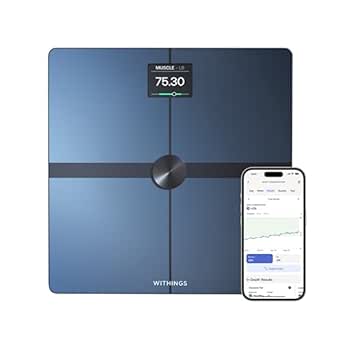
Withings Body Smart Wi-Fi and Bluetooth Smart Scale
As an affiliate, we earn on qualifying purchases.
Background
Goldstein’s method builds on longstanding mindfulness and somatic practices, integrating recent insights from neuroscience about how awareness and bodily sensations influence emotional regulation. His approach responds to a cultural tendency to prioritize thinking over bodily awareness, which can hinder emotional growth. The concept of tiny shifts as a pathway to lasting change is gaining traction in psychological and self-help communities, emphasizing incremental progress rather than overnight transformation.
“The first R—Recognize—is foundational. It’s in many of the world’s wisdom traditions, psychology speaks of it, neuroscience speaks of it. Awareness is on its own a regulation tool.”
— Elisha Goldstein
“Release is not about getting rid of the feeling. It’s about softening around that feeling, creating space for choice.”
— Elisha Goldstein
“Our disconnection from the body is largely cultural. Western culture, in particular, tends to favor thinking over sensing, which can hinder emotional regulation.”
— Elisha Goldstein
What Remains Unclear
It is not yet clear how widely the Tiny Shifts method has been adopted or tested in diverse populations. Further empirical research is needed to evaluate its long-term effectiveness and applicability across different emotional and psychological conditions.
What’s Next
Goldstein plans to promote his book through workshops and online courses, aiming to train practitioners and individuals in the Tiny Shifts method. Future research may explore its efficacy in clinical settings and its integration into broader mental health practices.
Key Questions
What exactly are the Four R steps in Goldstein’s method?
The Four R steps are Recognize, Release, Refocus, and Reinforce. Recognize involves noticing and labeling emotions; Release is softening around feelings; Refocus redirects attention to constructive thoughts or actions; Reinforce solidifies new patterns through repetition and awareness.
How does the Tiny Shifts method differ from traditional mindfulness practices?
While traditional mindfulness often emphasizes sustained awareness, Goldstein’s method focuses on small, actionable pivots—particularly bodily softening—to create immediate space for choice and change in emotional reactions.
Can this method help with severe mental health issues?
The method is designed to support emotional regulation and resilience, but its effectiveness for severe mental health conditions requires further clinical testing. It may serve as a complementary approach alongside other treatments.
What are practical examples of applying the Tiny Shifts in daily life?
Examples include taking a deep breath and exhaling longer when feeling frustrated, softening the shoulders during moments of anger, or pausing to notice bodily sensations before reacting impulsively.