
TL;DR
Open a free Amazon Business account
Business pricing, bulk buying and tax-exempt orders.
Create a free accountAs an affiliate, we earn on qualifying purchases.
New blood tests claiming to predict Alzheimer’s are causing confusion and emotional distress. Experts caution about their current limitations and potential misinterpretation. The tests are not yet confirmed as reliable diagnostic tools.
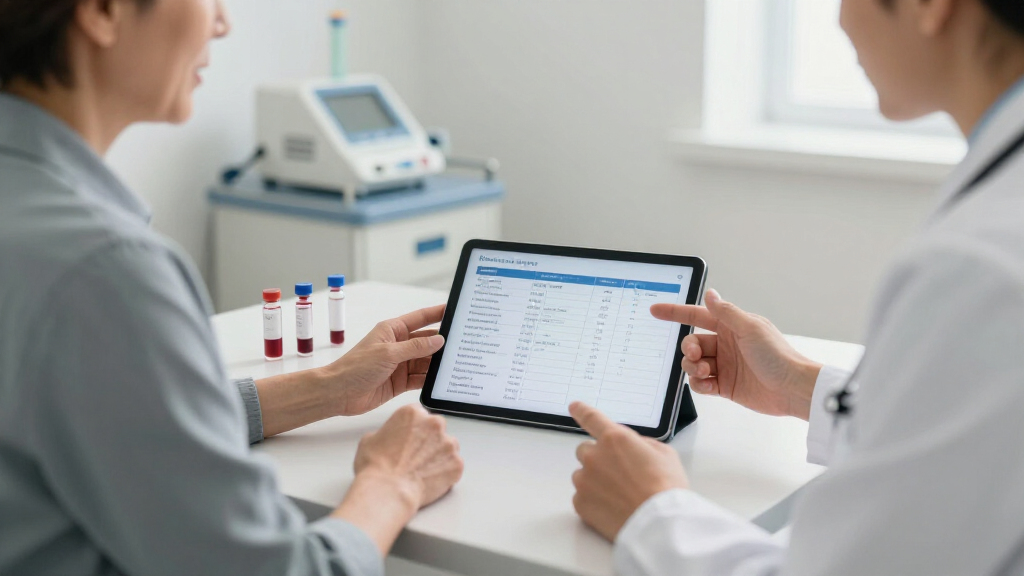
Blood tests marketed as predictive tools for Alzheimer’s disease are causing widespread confusion and distress among patients and healthcare providers, according to recent reports. While some companies promote these tests as early indicators, experts warn that their accuracy and clinical utility remain unproven, raising concerns about potential misdiagnosis and psychological harm.
Several companies have launched blood tests claiming to identify biomarkers associated with Alzheimer’s, promising early detection of the disease. However, the scientific community has expressed skepticism about their reliability. Recent studies indicate that these tests may produce false positives or negatives, leading to unnecessary anxiety or false reassurance.
Patients who have undergone these tests report experiencing confusion, fear, and distress, especially when results are ambiguous or not clearly explained by healthcare providers. Experts emphasize that currently, there is no FDA-approved blood test for definitive Alzheimer’s diagnosis, and these new tests are not universally accepted in clinical practice.
Potential Impact on Patients and Medical Practice
This development raises concerns about the potential for inaccurate testing to lead to emotional harm, unnecessary medical procedures, or delayed diagnosis of other conditions. It also highlights issues related to the regulation and marketing of diagnostic tests outside established medical standards. The controversy underscores the importance of rigorous validation before such tests are adopted widely, to ensure patient safety.
blood test kits for Alzheimer's prediction
As an affiliate, we earn on qualifying purchases.
As an affiliate, we earn on qualifying purchases.
Background on Alzheimer’s Diagnosis and Blood Biomarkers
Alzheimer’s disease diagnosis traditionally relies on clinical assessments, cognitive testing, and neuroimaging, with confirmation often requiring invasive procedures like cerebrospinal fluid analysis. Recent advances have identified blood-based biomarkers, but these are still under research and not yet standard practice. The emergence of blood tests marketed directly to consumers has prompted discussions regarding their scientific validity and ethical considerations, given the serious implications of an Alzheimer’s diagnosis.
“Currently, there is insufficient evidence to support the widespread use of blood tests for Alzheimer’s prediction. Patients need clear guidance and reliable tools.”
— Dr. Susan Lee, neurologist
As an affiliate, we earn on qualifying purchases.
Unconfirmed Claims and Scientific Validation Gaps
It remains unclear how accurate or predictive these blood tests truly are, as comprehensive validation studies are ongoing. The long-term implications of their use, including potential misdiagnosis or psychological harm, are still being evaluated by researchers and regulators. There is also uncertainty about how healthcare providers will integrate these tests into clinical practice, given the current lack of consensus and regulatory approval.
early detection blood tests for Alzheimer's
As an affiliate, we earn on qualifying purchases.
As an affiliate, we earn on qualifying purchases.
Ongoing Research and Regulatory Review of Blood Alzheimer’s Tests
Researchers are conducting larger, peer-reviewed studies to assess the accuracy and clinical utility of these blood tests. Regulatory agencies like the FDA are reviewing existing data and considering whether to establish guidelines or approvals. Healthcare providers are advised to exercise caution and rely on established diagnostic procedures until more definitive evidence is available. Public health authorities are calling for increased patient education and clearer communication about the limitations of these tests.
Alzheimer's disease blood screening
As an affiliate, we earn on qualifying purchases.
As an affiliate, we earn on qualifying purchases.
Key Questions
Are blood tests currently approved for Alzheimer’s diagnosis?
No, the FDA has not approved any blood test for diagnosing or predicting Alzheimer’s disease as of now. Most tests are still experimental or marketed directly to consumers without regulatory clearance.
Can these tests reliably predict Alzheimer’s disease?
Currently, there is no conclusive evidence that these blood tests can reliably predict Alzheimer’s. Experts warn that their accuracy is unproven, and results should be interpreted with caution.
What should patients do if they are offered these blood tests?
Patients should consult with qualified healthcare providers and consider these tests as experimental. It is important to understand the limitations and avoid making health decisions based solely on unconfirmed test results.
What are the risks of using unvalidated Alzheimer’s blood tests?
The risks include psychological distress, unnecessary medical procedures, and misdiagnosis, which can lead to inappropriate treatment or delayed diagnosis of other conditions. Proper medical guidance is essential.
Source: rss
Pool season Picks
robotic pool cleaners
As an affiliate, we earn on qualifying purchases.