
TL;DR
Listen free for 30 days with Audible
Thousands of audiobooks and originals — cancel anytime.
Start your free trialAs an affiliate, we earn on qualifying purchases.
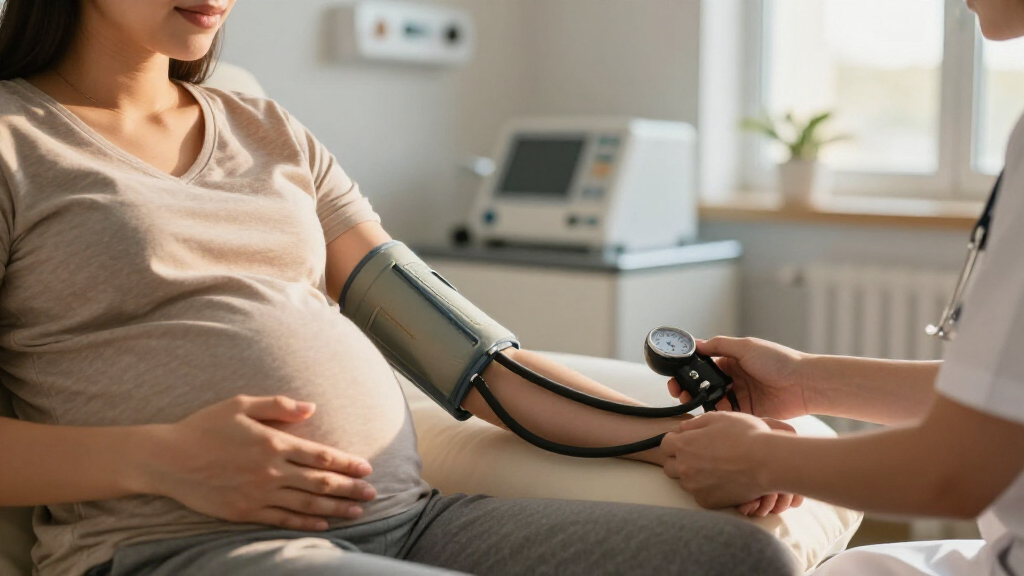
Recent research indicates a significant rise in high blood pressure among pregnant women. The trend poses potential risks for maternal and fetal health. The study highlights the need for increased monitoring and intervention.
A recent study has found that the prevalence of high blood pressure in pregnant women is increasing. This trend raises concerns among healthcare professionals about potential complications during pregnancy and delivery. The findings are based on data collected over the past decade and highlight a growing public health issue that requires attention.
The study, conducted by researchers at the National Institute of Maternal Health, analyzed medical records from over 200,000 pregnancies across multiple states from 2010 to 2023. It found that the incidence of high blood pressure, including gestational hypertension and preeclampsia, has risen by approximately 15% during this period. Experts suggest that factors such as rising obesity rates, stress, and lifestyle changes may contribute to this increase.
According to Dr. Susan Miller, a maternal health specialist involved in the research, “The upward trend in high blood pressure among pregnant women is concerning because it is linked to adverse outcomes such as preterm birth, placental abruption, and maternal stroke.” The study emphasizes the importance of early detection and management of hypertension during pregnancy to reduce risks for both mother and baby.
Implications for Maternal and Fetal Health
The rising rates of high blood pressure in pregnancy could lead to increased complications, including preeclampsia, which can be life-threatening if not properly managed. This trend underscores the need for enhanced screening protocols and patient education. Healthcare providers may need to adapt their approaches to monitor blood pressure more closely and provide targeted interventions.
For pregnant women, this development highlights the importance of regular prenatal visits and lifestyle modifications. Public health initiatives might also need to focus more on addressing risk factors such as obesity and stress to curb this rising trend.
blood pressure monitor for pregnant women
As an affiliate, we earn on qualifying purchases.
As an affiliate, we earn on qualifying purchases.
Recent Trends and Contributing Factors
Over the past decade, maternal health experts have observed shifts in pregnancy-related health issues, with hypertension emerging as a significant concern. The increase in high blood pressure cases aligns with broader trends of rising obesity and metabolic disorders in the general population. Previous research has linked lifestyle factors, including diet and physical activity levels, to hypertension risk, which may be exacerbated during pregnancy.
Historically, hypertension affected approximately 10% of pregnancies, but recent data suggests this figure is climbing. The increase has prompted calls for updated guidelines and greater awareness among healthcare providers and pregnant women.
“The upward trend in high blood pressure among pregnant women is concerning because it is linked to adverse outcomes such as preterm birth, placental abruption, and maternal stroke.”
— Dr. Susan Miller
gestational hypertension blood pressure cuff
As an affiliate, we earn on qualifying purchases.
As an affiliate, we earn on qualifying purchases.
Unresolved Questions About Causes and Long-term Effects
While the study establishes a clear increase in high blood pressure cases among pregnant women, it is not yet certain which specific factors are driving this rise. Researchers are still investigating the roles of obesity, stress, environmental factors, and healthcare access. Additionally, the long-term health impacts for mothers and children remain under study, with ongoing research needed to understand potential lifelong effects.
preeclampsia prevention supplements
As an affiliate, we earn on qualifying purchases.
As an affiliate, we earn on qualifying purchases.
Monitoring and Policy Responses to Rising Hypertension
Researchers plan to conduct further studies to identify precise causes and effective prevention strategies. Healthcare providers are encouraged to review current screening protocols and patient education efforts. Public health agencies may implement targeted campaigns to raise awareness about hypertension risks during pregnancy and promote healthier lifestyles. Policymakers might also consider funding initiatives aimed at reducing maternal health disparities linked to hypertension.
prenatal blood pressure tracking device
As an affiliate, we earn on qualifying purchases.
As an affiliate, we earn on qualifying purchases.
Key Questions
What are the main risks associated with high blood pressure during pregnancy?
High blood pressure during pregnancy can lead to complications such as preeclampsia, preterm birth, placental abruption, and maternal stroke. Proper management is crucial to reduce these risks.
Are certain groups more affected by this rising trend?
While the study indicates a general increase, higher risk groups include women with obesity, those of lower socioeconomic status, and women with pre-existing health conditions. More research is needed to clarify disparities.
What can pregnant women do to reduce their risk?
Regular prenatal care, maintaining a healthy weight, balanced diet, physical activity, and managing stress are recommended. Healthcare providers can offer personalized guidance based on individual risk factors.
Will this trend lead to changes in medical guidelines?
Healthcare authorities are reviewing current guidelines to improve hypertension screening and management during pregnancy. Updates may include more frequent blood pressure monitoring and early interventions.
Is this increase linked to COVID-19 or other recent health crises?
The study does not specifically link the rise to COVID-19 or other crises, but some experts suggest pandemic-related stress and healthcare disruptions may have contributed. Further research is ongoing.
Source: rss
NFL season / tailgating Picks
team gear
As an affiliate, we earn on qualifying purchases.