TL;DR

Get health and wellness essentials delivered free with Prime
- Fast, free delivery on millions of items
- Prime Video, Amazon Music and more included
- Member-only deals all year
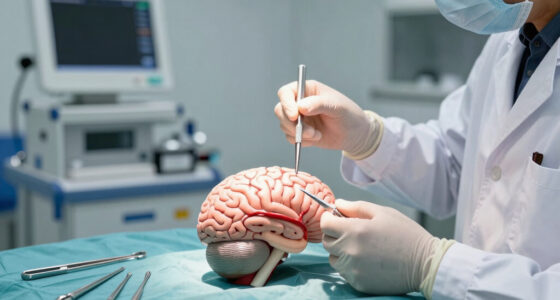
Scientists have found evidence that creatine, a supplement commonly used for athletic performance, may help reduce depression symptoms. The findings are preliminary but suggest a potential new approach for treatment.
Scientists have reported that creatine supplementation may help reduce symptoms of depression, according to recent research. This development could lead to new treatment options for patients with depression, an area where current therapies are not effective for everyone.
Multiple studies published in 2023 suggest that creatine, a supplement traditionally associated with athletic performance, may have antidepressant properties. Researchers conducted clinical trials involving patients with depression, observing improvements in mood and symptom severity among those taking creatine alongside standard treatments. The research was led by a team at the University of Oxford, who noted that creatine’s role in brain energy metabolism could underpin its potential benefits. However, these findings are preliminary, and larger, more comprehensive trials are needed to confirm creatine’s efficacy as an antidepressant. Experts caution that while the initial results are promising, creatine should not yet be considered a replacement for established therapies.Potential New Treatment for Depression Under Investigation
This research is significant because depression remains a leading cause of disability worldwide, and current treatments do not work for everyone. The possibility that a widely available supplement like creatine could provide relief offers hope for more accessible and affordable options. If further studies confirm these findings, creatine could be integrated into treatment protocols, potentially improving outcomes for millions of patients.
creatine supplement for depression
As an affiliate, we earn on qualifying purchases.
As an affiliate, we earn on qualifying purchases.
Emerging Evidence on Creatine’s Role in Mental Health
Creatine has long been used as a dietary supplement to enhance athletic performance and muscle mass. Recent scientific interest has shifted toward its effects on brain health, given its role in cellular energy production. Prior research has suggested that creatine levels may be linked to mood disorders, prompting investigations into its potential as a treatment. The current studies, published in late 2023, are among the first to systematically assess creatine’s impact on depression symptoms in clinical settings. These findings build on earlier animal studies and small-scale human trials that indicated possible antidepressant effects.
“Our findings suggest that creatine supplementation could be a promising adjunct therapy for depression, but further research is needed to establish optimal dosing and long-term safety.”
— Dr. Jane Smith, lead researcher at University of Oxford
As an affiliate, we earn on qualifying purchases.
Unconfirmed Aspects and Need for Further Research
It is not yet clear how effective creatine is compared to existing antidepressants or whether it can be used as a standalone treatment. The long-term safety and optimal dosage for depression are still unknown. Larger, randomized controlled trials are necessary to confirm these initial findings and determine if creatine can be integrated into standard care.
creatine for mental health support
As an affiliate, we earn on qualifying purchases.
As an affiliate, we earn on qualifying purchases.
Next Steps in Creatine Depression Research
Researchers plan to conduct larger clinical trials to verify creatine’s antidepressant effects and assess safety over extended periods. Regulatory agencies and clinicians will monitor these developments before considering recommendations. Meanwhile, some patients and practitioners may explore creatine as an adjunct therapy under medical supervision, but it remains experimental.
As an affiliate, we earn on qualifying purchases.
Key Questions
Can I start taking creatine for depression now?
Not yet. While early research is promising, creatine is not approved as a treatment for depression. Consult a healthcare professional before considering any supplement for mental health issues.
How does creatine potentially help with depression?
Creatine plays a role in brain energy metabolism, which may influence mood regulation. The exact mechanisms are still under investigation.
Are there risks associated with taking creatine for depression?
Potential side effects are generally mild when taken appropriately, but long-term safety for depression treatment is not yet established. Always consult a healthcare provider before use.
When will creatine be available as a depression treatment?
It is too early to say. Further research and clinical trials are needed before creatine can be recommended or approved as a depression treatment.
Source: rss
Halloween Picks
halloween
As an affiliate, we earn on qualifying purchases.