
TL;DR
Geriatric emergency departments (GEDs) are specialized units designed to meet the unique needs of older patients. They differ from traditional EDs by offering tailored assessments, interdisciplinary teams, and targeted treatments. This development aims to improve outcomes for seniors, but the extent of their impact remains under study.
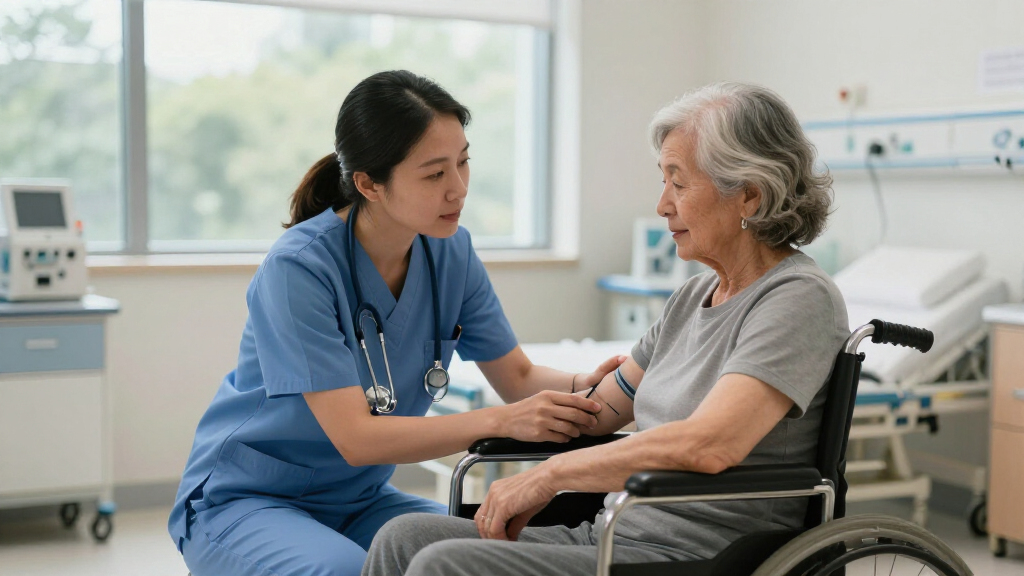
Geriatric emergency departments (GEDs) are specialized units within hospitals that are designed specifically to address the complex healthcare needs of older adults. These units differ from traditional emergency departments by implementing tailored protocols, interdisciplinary teams, and age-specific assessments. The development of GEDs reflects a growing recognition that older patients often require different approaches to care, which can lead to better health outcomes and reduced hospitalizations.
Several hospitals across the United States have established dedicated geriatric emergency departments, with the goal of improving care quality for patients aged 65 and older. These units typically feature staff trained in geriatrics, including physicians, nurses, social workers, and pharmacists, who collaborate to develop individualized treatment plans. They also incorporate specialized assessment tools to evaluate factors such as cognitive function, mobility, and social support, which are often overlooked in standard EDs.
Early studies indicate that GEDs may reduce hospital admissions, decrease readmission rates, and improve patient satisfaction. For example, a 2022 study published in the Journal of the American Geriatrics Society found that older adults treated in geriatric EDs experienced fewer adverse outcomes and had shorter lengths of stay compared to those in traditional EDs. However, these findings are preliminary, and more comprehensive research is ongoing to confirm the benefits.
Implications of Geriatric EDs for Healthcare Outcomes
The development of geriatric emergency departments could represent a significant shift in how hospitals manage aging populations. By providing tailored care, GEDs aim to reduce the risks of hospital-related complications such as delirium, falls, and functional decline. Improved outcomes for older adults can also lead to lower healthcare costs and better quality of life. However, the widespread adoption of GEDs depends on demonstrating consistent benefits and securing funding for these specialized units.
geriatric assessment tools
As an affiliate, we earn on qualifying purchases.
As an affiliate, we earn on qualifying purchases.
Growing Need for Specialized Elderly Care in Emergency Settings
The U.S. and other countries are experiencing a demographic shift toward older populations. According to the U.S. Census Bureau, by 2030, all baby boomers will be older than 65, representing a significant increase in the demand for healthcare services tailored to seniors. Traditional EDs often struggle to meet the complex needs of this demographic, resulting in higher rates of adverse events and readmissions. The creation of GEDs is part of a broader effort to adapt emergency care to this changing landscape, with some hospitals piloting these units over the past few years.
Initial efforts have focused on integrating geriatrics expertise into emergency care and developing protocols that address common issues among older adults, such as polypharmacy, cognitive impairment, and social isolation. The success of these programs could influence broader healthcare policy and emergency care standards.
“Geriatric EDs are designed to catch problems early that often go unnoticed in traditional settings, leading to better tailored care and potentially better outcomes.”
— Dr. Susan Miller, Geriatric Emergency Physician
elderly fall prevention monitor
As an affiliate, we earn on qualifying purchases.
As an affiliate, we earn on qualifying purchases.
Uncertainties About Long-Term Effectiveness
While early data suggests that geriatric EDs improve certain outcomes, comprehensive long-term studies are still underway. It remains unclear how consistently these units reduce readmissions and improve quality of life across diverse healthcare settings. Additionally, questions persist about the cost-effectiveness of scaling up GEDs nationwide and how best to integrate them into existing hospital systems.

Vive Car Handle Assist for Elderly – Scratch Proof Latch – Auto Grab Bar Cane Support Aid – Standing Mobility Safety Tip to Help Get Out – Portable Assistive Device for Seniors, Handicapped
EASILY EXIT VEHICLE: Providing stabilizing assistance, the Vive Car Assist Handle allows you to exit your car, truck…
As an affiliate, we earn on qualifying purchases.
As an affiliate, we earn on qualifying purchases.
Next Steps in Geriatric Emergency Care Development
Researchers are conducting larger, multi-center studies to evaluate the long-term impact of GEDs on patient health, hospital costs, and system efficiency. Hospitals interested in establishing these units are exploring funding options and training programs. Policy discussions are also underway to determine whether Medicare and other insurers will provide additional support for specialized geriatric emergency care.
age-specific health monitoring devices
As an affiliate, we earn on qualifying purchases.
As an affiliate, we earn on qualifying purchases.
Key Questions
What makes a geriatric emergency department different from a regular ED?
Geriatric EDs feature staff trained in geriatrics, specialized assessment tools, and protocols tailored to older adults’ unique health issues, aiming to improve outcomes and reduce complications.
Are geriatric EDs effective in reducing hospital readmissions?
Early studies indicate potential benefits, but more comprehensive, long-term research is needed to confirm their effectiveness across different settings.
How widespread are geriatric emergency departments?
As of now, only a limited number of hospitals have dedicated GEDs, but interest is growing as evidence of their benefits accumulates.
What challenges do hospitals face in creating geriatric EDs?
Challenges include funding, staff training, integrating specialized protocols, and ensuring sustainable operations within existing emergency care systems.
Source: rss