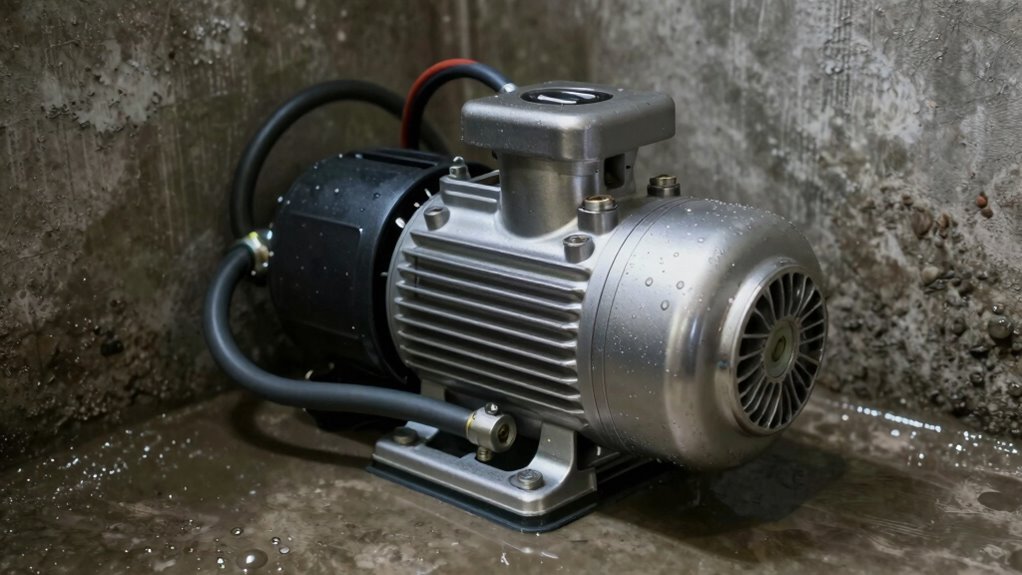

Condensate pumps are essential in your basement moisture setup because they efficiently remove excess water from leaks, HVAC systems, or humid areas, preventing damage and mold growth. By keeping moisture levels in check, they protect your walls, flooring, and overall structure. Proper use and maintenance extend their lifespan and guarantee reliable operation. If you want to keep your basement dry and healthy, understanding the importance and care of condensate pumps can make a big difference.
Listen free for 30 days with Audible
Thousands of audiobooks and originals — cancel anytime.
As an affiliate, we earn on qualifying purchases.
Key Takeaways
- Condensate pumps remove excess moisture to prevent mold growth and structural damage in basements.
- They ensure continuous drainage of water from HVAC systems, avoiding leaks and water buildup.
- Proper use and maintenance extend pump lifespan and maintain effective moisture control.
- Malfunctioning pumps can lead to leaks, water damage, and compromised basement integrity.
- Regular inspections and timely troubleshooting keep moisture management systems reliable and efficient.
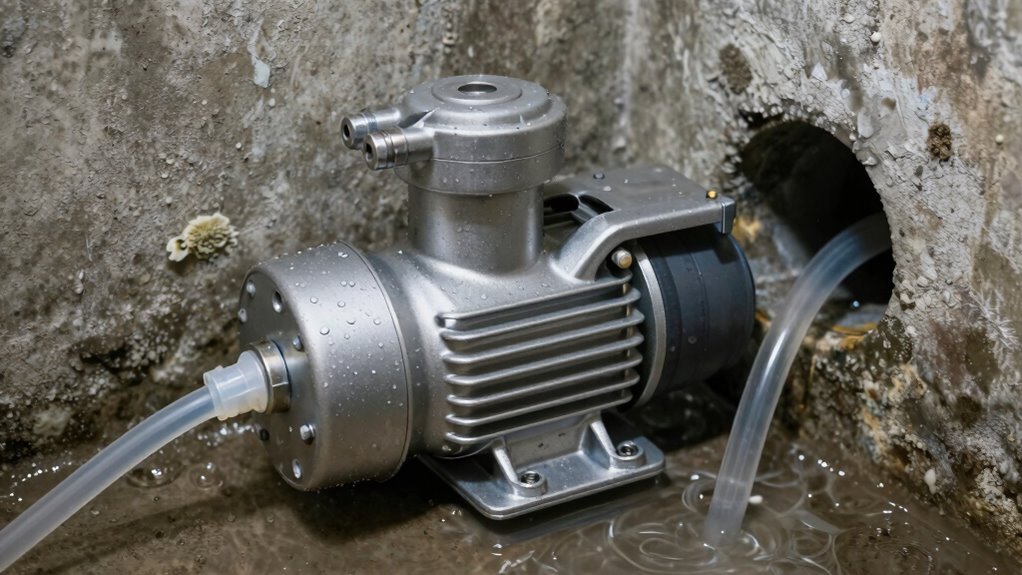
Basements are prone to excess moisture, which can cause damage and promote mold growth if not managed properly. That’s where condensate pumps come into play—they’re essential tools for controlling moisture, especially when dealing with high humidity or water leaks. When you’re considering pump installation, it’s important to choose the right type for your setup, whether it’s a small condensate pump for an AC system or a more robust model for ongoing moisture issues. Proper installation guarantees the pump functions efficiently, preventing water buildup that can lead to structural damage or mold. You should position the pump on a stable, level surface, connect it securely to the drainage system, and make sure the power supply is reliable. If you’re not comfortable with electrical work, it’s wise to hire a professional to handle the pump installation correctly. Once installed, regular maintenance becomes key to keeping your condensate pump working smoothly. Basic maintenance tips include periodically checking the pump for debris or clogs, inspecting the float switch to ensure it moves freely, and testing the pump to confirm it activates properly. Clearing out any dirt or obstructions can prevent malfunctions, which might otherwise cause water to overflow or leak. Also, keep an eye on the pump’s outlet pipe for signs of blockage or leaks, and ensure the power cord remains in good condition. A well-maintained condensate pump can save you significant trouble by preventing water damage and the growth of mold spores. Regular inspections can also help identify potential issues early, especially with pump lifespan and environmental conditions. Proper installation practices are essential to ensure the pump performs optimally over time. Additionally, understanding the environmental factors that impact your pump’s efficiency can help you better manage its operation. Consider setting a regular maintenance schedule—monthly inspections are usually sufficient—to catch potential issues early before they escalate. If your system relies on a condensate pump, knowing some maintenance tips can help extend its lifespan and boost efficiency. For instance, cleaning the pump’s filter regularly and replacing it if it becomes worn or damaged can prevent blockages. Keep in mind that pump lifespan can vary based on usage and environmental conditions, so keeping up with routine checks is essential. If you notice strange noises, leaks, or the pump failing to activate, address these issues immediately to prevent moisture from seeping into your basement walls or flooring. Proper pump installation and ongoing maintenance are the best defenses against basement moisture problems, helping you maintain a dry, healthy space. Regularly checking for clogged outlet pipes and ensuring proper drainage can further enhance your system’s effectiveness. By taking these steps, you’ll reduce the risk of mold growth, structural damage, and costly repairs down the line. A reliable condensate pump isn’t just a convenience; it’s an essential part of your moisture management system that keeps your basement safe and dry.
As an affiliate, we earn on qualifying purchases.
Frequently Asked Questions
How Long Do Condensate Pumps Typically Last?
Condensate pumps usually last about 5 to 10 years, depending on usage and maintenance. To extend their pump lifespan, you should regularly inspect and clean the pump and its components, guarantee the power supply is stable, and replace worn parts promptly. Maintenance tips like keeping the pump free of debris and checking for leaks can help prevent early failures, so you get the most out of your investment.
Are Condensate Pumps Noisy During Operation?
Pump noise can be noticeable, but it’s usually not disruptive. You might hear some vibration issues or a faint hum during operation, yet modern condensate pumps are designed for quiet performance. While they do produce some noise, advances in technology help minimize it. If noise becomes excessive, it could indicate a vibration problem or a need for maintenance. Overall, you won’t find condensate pumps to be overly loud or bothersome.
Can Condensate Pumps Be Installed DIY?
Yes, you can do a DIY installation of condensate pumps if you’re comfortable with basic plumbing and electrical work. Just make certain you follow the manufacturer’s instructions carefully. During installation, be prepared for pump troubleshooting if it doesn’t operate properly initially. Double-check connections and power supply to avoid issues. If you’re unsure about any step, it’s best to consult a professional to prevent damage or malfunction.
What Maintenance Is Required for Condensate Pumps?
You need to regularly check your condensate pump’s placement and guarantee it’s stable and clear of debris. Empty the pump’s condensate capacity reservoir if it’s full, and clean the float switch to prevent malfunctions. Inspect the discharge line for blockages or leaks. Regular maintenance keeps your pump running efficiently, prevents overflow, and prolongs its lifespan, especially in basement moisture setups where consistent operation is vital.
Do Condensate Pumps Work During Power Outages?
Did you know that around 80% of basement moisture issues could worsen without backup power? Condensate pumps typically don’t work during power outages unless you have a backup power source. When you install a backup power system, your pump can operate continuously, preventing water buildup. If you’re considering pump installation, make certain it includes a backup power option so it keeps working no matter what.
As an affiliate, we earn on qualifying purchases.
Conclusion
Remember, a chain is only as strong as its weakest link. Condensate pumps play a crucial role in keeping your basement dry by efficiently removing excess moisture. Without them, moisture buildup can lead to mold, damage, and costly repairs. Investing in a good condensate pump guarantees your setup works seamlessly, protecting your home. So, don’t wait for problems to arise—stay proactive and keep your basement safe and dry with the right pump in place.
As an affiliate, we earn on qualifying purchases.
As an affiliate, we earn on qualifying purchases.
NFL season / tailgating Picks
team gear
As an affiliate, we earn on qualifying purchases.