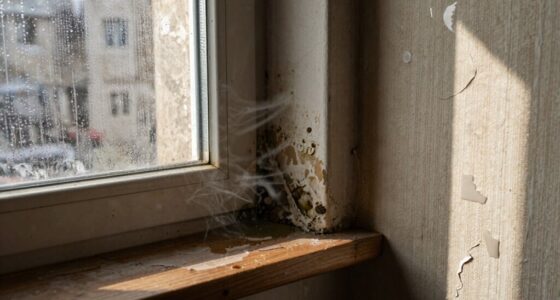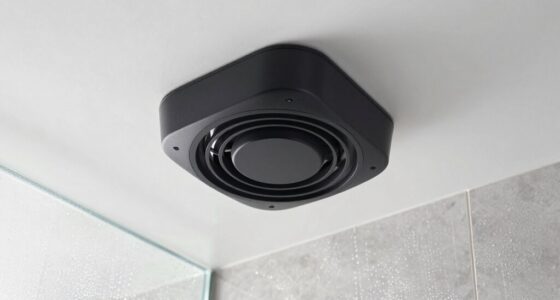

If you’re dealing with condensation on your windows, you might be missing a critical fix—managing your indoor humidity. Many overlook this key factor, believing that ventilation alone will solve the problem. However, without controlling humidity levels, moisture will persist, leading to issues like mold growth and water damage. Boosting ventilation and using dehumidifiers can help, but there are more extensive solutions to ensure clarity and comfort. Discover how to effectively tackle this challenge for good.

Get health and wellness essentials delivered free — and shop member deals
- Fast, free delivery on millions of items
- Access to Prime Big Deal Days deals on October 6–7
- Prime Video, Amazon Music and more included
Key Takeaways
- Improve indoor ventilation to reduce humidity levels, preventing condensation buildup on windows.
- Ensure proper insulation and window sealing to minimize temperature drops that cause condensation.
- Regularly maintain and inspect windows to identify any drafts or leaks that contribute to moisture issues.
- Utilize dehumidifiers in high-humidity areas to effectively control moisture levels indoors.
- Address underlying issues like mold growth or water stains, as these indicate persistent moisture problems needing attention.
Understanding Condensation: What Is It?

Condensation occurs when warm, moist air comes into contact with a cooler surface, causing the water vapor to turn back into liquid. This phenomenon often happens on windows, particularly during colder months. You might notice water droplets forming, which can affect your home’s thermal comfort. Understanding this process is vital for maintaining a comfortable environment and preventing potential damage to your windows and walls. Additionally, the contrast ratio of light entering your home can influence how noticeable condensation appears on your windows.
To counteract condensation, consider using effective window treatments. They can help insulate your windows, keeping the surface warmer and reducing the chance of moisture buildup. Additionally, improving ventilation in your home can help manage humidity levels, contributing to a more comfortable living space. Investing in smart appliances can also assist in monitoring and controlling humidity levels throughout your home. Being proactive about condensation can save you from future headaches. Moreover, ensuring your windows are properly sealed and insulated can further enhance your home’s ability to prevent condensation. Investing in high-quality materials for your window treatments can significantly improve their effectiveness against condensation. Furthermore, using a portable power source during outages can help maintain humidity control and comfort in your home.
Common Misconceptions About Window Condensation
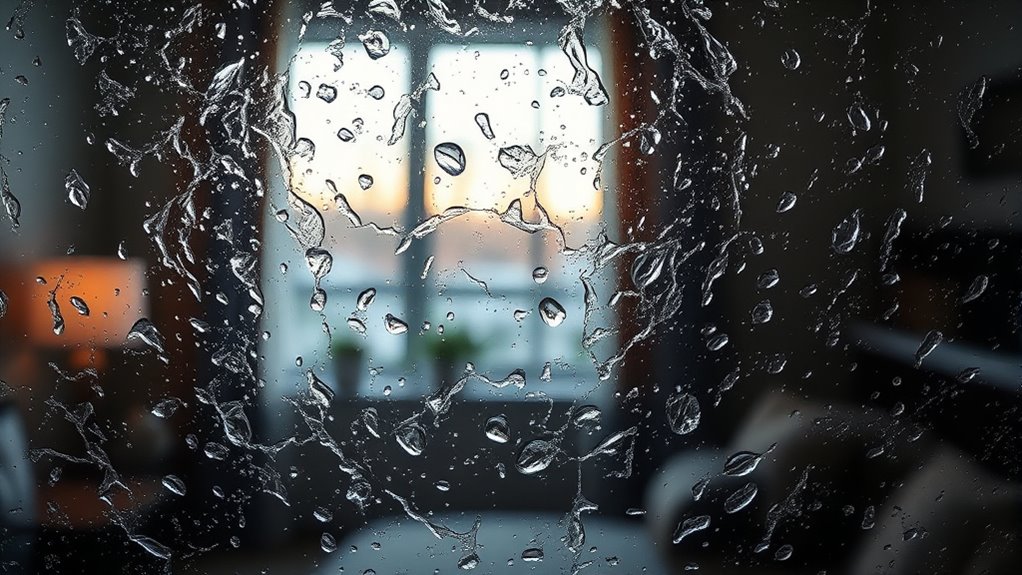
Many people hold misconceptions about window condensation that can lead to unnecessary worry. Understanding the truth can help you make informed decisions about your windows.
- Condensation only occurs in the winter: It can actually happen year-round, especially in humid climates. In fact, high humidity levels, often caused by poor ventilation, can exacerbate condensation issues. Additionally, high-performance windows can help mitigate condensation by improving insulation. Properly managing your indoor environment is crucial for reducing moisture levels and preventing condensation.
- Window tinting prevents condensation: While it can reduce heat, it doesn’t eliminate moisture issues entirely. Tinting may also affect how much sunlight enters your home, which could inadvertently increase indoor humidity. Understanding the balance between light and heat management is essential for effective condensation control.
- Glass coatings solve all condensation problems: They help with insulation but don’t address humidity levels. It’s essential to manage indoor humidity effectively to reduce condensation. If not addressed, excess moisture can lead to mold growth and other issues. Regularly monitoring your home’s humidity levels ensures that you can take proactive measures against condensation.
- All windows are equally prone to condensation: Different window types and quality impact condensation likelihood. Additionally, fresh ingredients sourced from local environments can influence indoor humidity levels, further affecting condensation. High-performance windows can significantly minimize the risk of condensation forming on glass surfaces. Investing in quality windows is a smart strategy for homeowners concerned about condensation issues.
The Science Behind Humidity and Temperature

Understanding humidity levels and temperature variations is key to grasping why condensation occurs on your windows. When warm air meets a cooler surface, moisture can form, leading to the familiar droplets you’re likely seeing. Let’s break down the science behind this process to clarify how these elements interact. Maintaining well-draining soil moisture levels in indoor plants can help balance humidity, which may reduce condensation issues. Additionally, high humidity levels can further exacerbate the condensation problem, making it crucial to monitor indoor air quality. One effective method to enhance indoor air quality is to explore biohacking techniques that optimize your living environment for better health. Implementing energy-efficient solutions can also contribute to minimizing indoor humidity levels, creating a more comfortable atmosphere. Furthermore, regulating sound waves within your environment may also aid in improving overall air quality and comfort.
Humidity Levels Explained
As the air warms, it can hold more moisture, which is essential for grasping humidity levels. Understanding these levels helps you maintain a comfortable indoor environment. Here are four key points to consider:
- Relative Humidity: This percentage indicates how much moisture the air holds compared to its capacity at a given temperature. Higher humidity levels can lead to condensation on surfaces, creating discomfort and potential damage.
- Indoor Plants: They can naturally increase humidity by releasing moisture through transpiration. Additionally, plant transpiration significantly contributes to the overall humidity levels in your home. Certain plants like herbal teas can also promote relaxation, which may help reduce perceived humidity discomfort.
- Air Purifiers: Some models have humidifying features that help balance moisture levels in dry conditions.
- Comfort Zone: Ideal indoor humidity typically ranges from 30% to 50% for comfort and health. Additionally, humidity levels can also influence your overall well-being, as lower humidity may lead to dryness and discomfort.
Temperature Variation Impact
While you may not notice it, temperature variations play an essential role in how humidity affects your home. When the indoor air is warm and humid, and then it meets cooler surfaces, like window paning, condensation occurs. This is especially true during colder months when the outside temperature drops markedly. As the warm air cools, it can’t hold as much moisture, leading to water droplets forming on your windows. If this issue isn’t addressed, it can lead to frost buildup on the glass, which not only obstructs your view but can also cause damage to your window frames. Understanding how temperature interacts with humidity is fundamental for preventing these problems and maintaining a comfortable environment in your home. Additionally, managing indoor humidity with smart lighting can help mitigate condensation by promoting better air circulation. The use of essential oils in your home can also improve air quality and comfort, reducing humidity levels. Regularly preserving memories and keeping your documents organized can also ensure you have a clear plan for maintaining your home environment effectively.
Condensation Formation Process
When warm, moist air comes into contact with a cooler surface, like your window, the temperature of that air drops, leading to condensation. This process occurs because the air can only hold a certain amount of moisture at a given temperature. To better understand condensation, consider these factors:
- Humidity Levels: Higher humidity means more moisture in the air, increasing the chance of condensation. Additionally, maintaining proper air quality can help reduce indoor humidity levels.
- Temperature Differences: A significant gap between indoor and outdoor temperatures can lead to more condensation.
- Window Coatings: Certain window coatings can help regulate temperature, reducing condensation.
- Glass Treatments: Advanced glass treatments can improve insulation, minimizing temperature fluctuations. Additionally, understanding device vulnerabilities can aid in implementing effective solutions to manage indoor humidity levels.
Identifying the Root Causes of Window Condensation
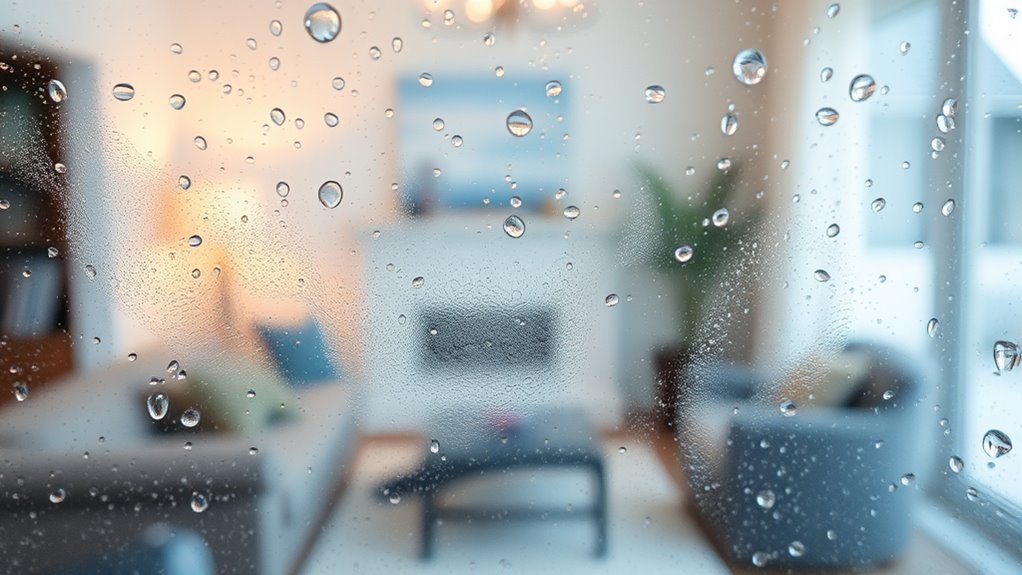
To tackle window condensation, you need to understand the main factors at play: temperature differences and humidity levels. When warm, moist air meets cooler surfaces, condensation occurs. By identifying these root causes, you can take steps to minimize the issue in your home.
Temperature Differences
As the temperature inside your home shifts dramatically from the cooler air outside, condensation often forms on your windows. This happens due to thermal transfer, where warm air meets the cold glass, causing moisture to condense. To combat this issue effectively, consider these key factors:
- Insulation Quality: Ensure your windows are well-insulated to minimize temperature differences.
- Vapor Barriers: Install vapor barriers in areas with high humidity to protect against moisture.
- Window Type: Choose double or triple-pane windows that reduce heat loss and condensation.
- Heating System: Maintain a consistent heating system to prevent drastic temperature shifts.
Humidity Levels
Have you ever wondered why condensation appears on your windows, even when the outside temperature isn’t freezing? The culprit often lies in high humidity levels inside your home. When warm, moist air comes into contact with cooler glass, it condenses, leading to unsightly drips. By monitoring and managing indoor humidity, you can reduce this issue. A dehumidifier can be incredibly helpful, as its benefits include lowering moisture levels and improving air quality. Additionally, controlling humidity is essential for mold prevention, which thrives in damp environments. Keeping your indoor humidity around 30-50% can make a noticeable difference in condensation on your windows. So, consider investing in a dehumidifier to tackle this common problem effectively.
The Importance of Proper Ventilation
While you might not think about it often, proper ventilation is essential for maintaining a comfortable and healthy indoor environment. It helps control humidity levels, which is vital in preventing condensation on your windows. Here are four reasons why you should prioritize ventilation:
- Reduces Humidity: Adequate airflow keeps moisture levels in check, reducing the risk of mold and mildew.
- Improves Air Quality: Fresh air circulation helps eliminate indoor pollutants and allergens.
- Supports Indoor Plants: Well-ventilated spaces create a better environment for your indoor plants, promoting healthy growth.
- Enhances Window Cleaning: Good ventilation minimizes the need for frequent window cleaning by reducing moisture buildup.
Insulation and Its Role in Reducing Condensation
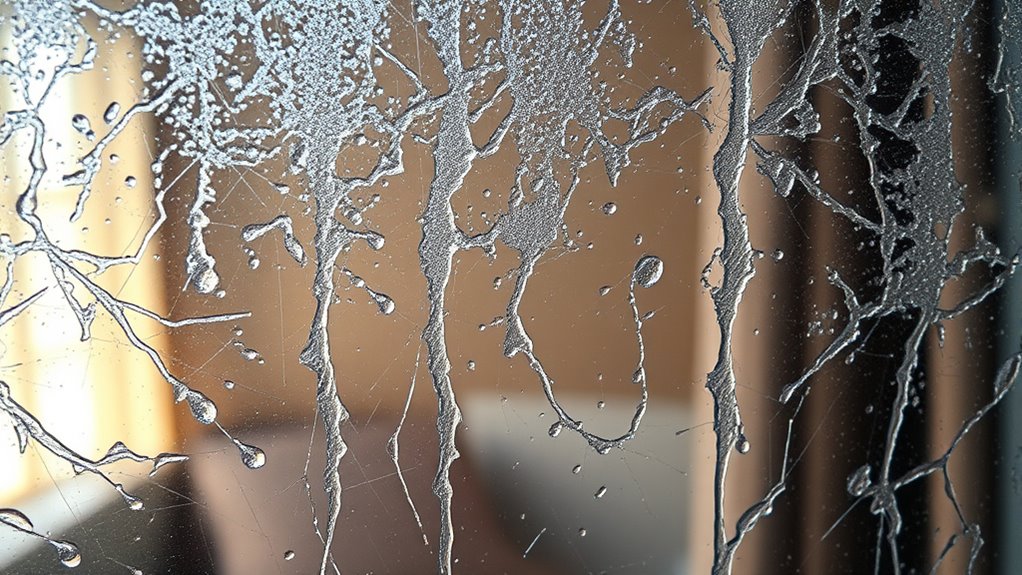
Proper ventilation plays a significant role in managing indoor humidity, but insulation also contributes greatly to reducing condensation on windows. When you improve your insulation, you minimize thermal bridging, which occurs when heat escapes through materials that aren’t well insulated. This process can lead to cold spots, increasing the likelihood of condensation. Additionally, effective air sealing helps keep warm air inside, further reducing moisture buildup.
Here’s a quick overview of insulation types and their benefits:
| Insulation Type | Benefits | Impact on Condensation |
|---|---|---|
| Fiberglass | Cost-effective, easy to install | Reduces thermal bridging |
| Spray Foam | Excellent air sealing | Minimizes cold spots |
| Rigid Foam | High R-value | Prevents moisture buildup |
Why Quick Fixes Often Fail

Quick fixes for condensation might seem appealing, but they often miss the bigger picture. You might find that these temporary solutions don’t hold up over time, leaving the root causes unaddressed. If you want lasting results, it’s essential to tackle the underlying issues instead of relying on quick patches.
Temporary Solutions Don’t Last
Although you might be tempted to rely on temporary fixes for condensation on windows, these short-term solutions often fail to address the underlying issues. Quick solutions like these might seem appealing, but they usually lead to recurring problems. Here are four reasons why you should reconsider:
- Ineffective: Temporary fixes only mask the symptoms, leaving the root cause unresolved.
- Costly: Frequent repairs add up, making them more expensive over time.
- Time-consuming: You’ll spend more time reapplying quick solutions than addressing the core issue.
- Damage risk: Ignoring the problem can lead to mold and structural damage, which is harder to fix later.
Instead of quick fixes, focus on long-term solutions for lasting results.
Ignoring Root Causes
When you ignore the root causes of condensation on windows, you’re setting yourself up for a cycle of frustration. Quick fixes like wiping down the glass or frequent window cleaning might seem effective, but they only mask underlying issues. High humidity levels, poor ventilation, and inadequate insulation are often the real culprits. Without addressing these factors, moisture will continue to accumulate, leading to mold growth and potential damage. For lasting results, focus on mold prevention by improving airflow and using dehumidifiers. Don’t just treat the symptoms; tackle the problem at its source. By doing so, you’ll save time and money while ensuring your windows remain clear and your home stays healthy.
Long-Term Solutions for Clear Windows

To guarantee your windows stay clear over the long term, it’s essential to address the root causes of condensation. Here are some effective solutions you can implement:
- Improve Ventilation: Ensure proper airflow in your home to reduce humidity levels.
- Install Window Tinting: This can help regulate temperature, preventing condensation from forming.
- Use Decorative Films: These not only enhance aesthetics but can also provide insulation, reducing moisture accumulation.
- Seal Drafts: Check for leaks around windows and doors and seal them to prevent cold air from causing condensation.
Maintenance Tips to Prevent Future Issues

Maintaining your windows is key to preventing future condensation issues. Regular upkeep not only improves aesthetics but also enhances efficiency. Here are some essential tips:
| Maintenance Task | Frequency |
|---|---|
| Clean window sills | Monthly |
| Inspect seals and caulking | Biannually |
| Apply window film | Annually |
| Check dehumidifier maintenance | Monthly |
| Replace filters | Every 3 months |
Using window film can reduce heat transfer, while proper dehumidifier maintenance helps keep humidity levels in check. By staying proactive with these tasks, you’ll minimize the chances of condensation and ensure a comfortable living environment. Don’t wait for issues to arise—implement these tips today!
When to Seek Professional Help

Recognizing the right time to call in a professional can make all the difference in resolving condensation issues effectively. If you notice persistent condensation on your windows, it’s wise to contemplate a professional assessment. Here are four signs that indicate it’s time to seek expert help:
- Frequent condensation: If it occurs daily, despite your efforts to control humidity.
- Mold growth: Any visible mold around windows signals a serious issue.
- Water damage: Staining or peeling paint indicates underlying problems.
- Ineffective DIY solutions: If your attempts haven’t worked, it’s time for advanced diagnostic techniques.
Don’t hesitate to reach out for professional help; it can save you time and prevent further damage.
Frequently Asked Questions
Can Indoor Plants Contribute to Window Condensation?
Yes, indoor plants can contribute to window condensation. When you water your plants, they release moisture into the air through a process called plant transpiration. This increases indoor humidity levels, especially in smaller spaces. If the humidity rises too high, it can lead to condensation on your windows. To manage this, consider grouping plants or using a dehumidifier to balance moisture levels and keep your windows clear.
Does Weather Striping Affect Window Condensation Levels?
You might think that weather stripping’s just a minor detail, but it actually plays a huge role in window condensation levels. Good window insulation and effective draft sealing keep warm air inside, reducing the moisture that can condense on your windows. If you’ve been overlooking your weather stripping, you’re missing a key element in managing condensation. So, don’t underestimate that little strip—it might just be your window’s best friend against moisture!
How Can I Tell if My Windows Are Energy Efficient?
You can tell if your windows are energy efficient by checking their energy ratings and examining the window insulation. Look for labels such as Energy Star, which indicates good performance. If you notice drafts, condensation, or high energy bills, your windows might not be efficient. Additionally, double or triple-pane glass often indicates better insulation. Inspecting these features will help you determine if your windows are truly energy efficient.
Is Condensation on Windows Harmful to My Health?
Isn’t it unsettling to see condensation pooling on your windows? While the condensation itself isn’t directly harmful, it signals high humidity levels that can lead to mold growth. If you don’t manage humidity control effectively, you’re inviting health risks into your home. Mold can trigger allergies and respiratory issues, so addressing the condensation is vital for mold prevention. Keep your indoor environment balanced to protect your health and comfort.
Can I Use a Dehumidifier to Reduce Window Condensation?
Yes, you can use a dehumidifier to reduce window condensation. By lowering humidity levels in your home, it helps prevent moisture buildup on your windows. Just make sure to maintain good air circulation, as stagnant air can lead to increased condensation. Position the dehumidifier in areas prone to dampness, and keep windows slightly open when possible to promote airflow. This combination will substantially help in keeping your windows clear and dry.
Conclusion
Ultimately, tackling condensation on your windows isn’t just about wiping them down. Did you know that 30% of indoor humidity comes from daily activities like cooking and showering? By improving ventilation and addressing the root causes, you can keep your windows clear and your home comfortable. Remember, quick fixes won’t cut it in the long run. Taking proactive steps now will save you from bigger headaches later. So, don’t overlook these essential solutions!
Fall Picks
fall essentials
As an affiliate, we earn on qualifying purchases.