To reduce static electricity, maintaining proper humidity levels is key. Keep indoor humidity between 40-60%, especially during dry winter months. Use humidifiers, place water bowls near heat sources, or dry clothes indoors to add moisture. Wearing natural fibers like cotton also helps. These practical steps create a more conductive environment, dissipating static charges safely. If you want to discover more effective tips, you’ll find useful insights just ahead.
Key Takeaways
- Increasing indoor humidity to 40-60% effectively dissipates static charges.
- Using humidifiers and placing water bowls near heat sources helps maintain optimal moisture levels.
- Wearing natural fibers like cotton reduces static buildup compared to synthetic fabrics.
- Dampening clothes or towels indoors adds moisture and lowers static electricity.
- Applying anti-static sprays and moisturizers can further minimize static shocks.

Humidity levels play a crucial role in controlling static electricity, which can cause shocks, damage electronics, or create sparks. When the air is dry, static builds up more easily because there’s less moisture to carry away electrical charges. As you walk across a carpet or touch a doorknob, you might feel a small shock—this is static electricity discharging. Increasing humidity makes the air more conductive, allowing charges to dissipate naturally and reducing the likelihood of sparks or shocks. Maintaining proper humidity levels can also prevent mold growth, which is a common concern in environments with fluctuating moisture levels.
Higher humidity reduces static shocks by allowing electrical charges to dissipate safely.
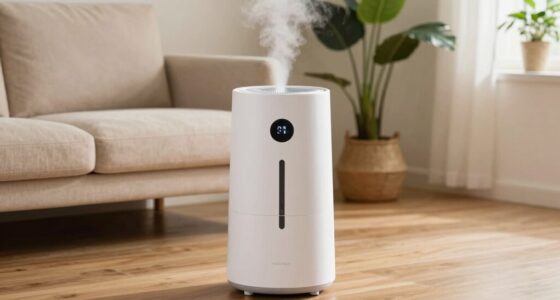
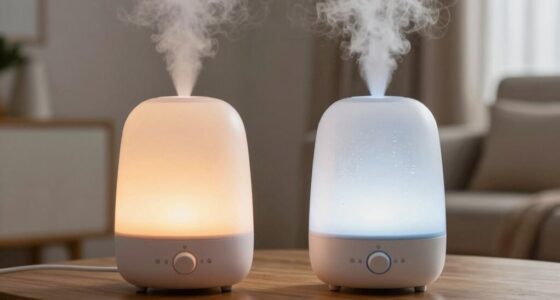
You can actively manage static buildup by adjusting the humidity levels in your environment. Using a humidifier is one of the most effective ways to increase moisture in the air. A humidifier adds water vapor, raising the humidity to a comfortable and safe level—generally between 40% and 60%. This range helps prevent static without creating a damp environment that might promote mold or other issues. When you run a humidifier in your home or office, especially during winter months when indoor air tends to be drier, you’ll notice fewer static shocks and less clinginess of clothes and hair.
Another way to control static is to keep your surroundings moist through natural means. Placing bowls of water near heating sources can help add a bit of moisture to the air. Additionally, drying clothes indoors on a rack without a dryer can help maintain higher humidity levels, which reduces static buildup. You might also consider using moisture-retaining materials like damp towels or cloths in strategic areas, especially if you experience frequent static shocks. These simple steps create a more conductive environment, making it easier for electrical charges to escape harmlessly into the air.
Your personal habits also influence static electricity. Wearing natural fibers like cotton or wool tends to generate less static compared to synthetic fabrics like polyester or nylon, which are more prone to static buildup. Applying a moisturizer or anti-static spray to your skin and clothes can also help prevent static shocks. These products add a thin layer of moisture or create a conductive barrier, reducing static charge accumulation.

Feelfunn 8000 BTU Portable Air Conditioner, 3-in-1 Cools 350 Sq.Ft, Quiet AC with Fan & Dehumidifier, LED Display, Remote, 24H Timer, Window Kit, for Bedroom/Office/Dorms
【8000 BTU Fast Cooling】Powerful 8000 BTU ASHRAE (5000 BTU SACC) portable air conditioner cools bedrooms, living rooms, offices,...
As an affiliate, we earn on qualifying purchases.
Frequently Asked Questions
Can Natural Humidity Levels Prevent Static Electricity Effectively?
Yes, maintaining natural humidity levels can effectively prevent static electricity. When humidity is around 30-50%, it helps moisture cling to surfaces and your skin, reducing static buildup. You can use a humidifier or keep indoor plants to boost moisture. By doing so, you’ll notice fewer static shocks and less static cling on clothes, making daily tasks more comfortable and less irritating.
Does Wearing Certain Fabrics Influence Static Buildup?
Yes, wearing certain fabrics can influence static buildup. Synthetic fabrics like polyester and nylon tend to generate more static electricity because they’re insulators. On the other hand, natural fibers like cotton and wool allow static to dissipate more easily, reducing buildup. To minimize static shocks, opt for natural fabrics, especially in dry conditions, and consider using anti-static sprays or humidifiers to further decrease static electricity.
Are There Specific Humidity Levels Best for Reducing Static?
You should aim for humidity levels around 40-60% to reduce static. At this range, the air contains enough moisture to prevent electrons from building up on your skin and clothes. If it’s too dry, static increases, making shocks and clinginess worse. Use a humidifier if needed, especially in winter, to keep the air moist. Maintaining proper humidity helps keep static electricity at bay and makes you more comfortable.
How Quickly Does Increasing Humidity Reduce Static Electricity?
Like dialing up the thermostat in a vintage radio, increasing humidity quickly reduces static. You’ll notice a difference within 15 to 30 minutes as moisture levels rise, making surfaces less prone to static buildup. Keep your indoor humidity around 40-60%, and static will become a relic of the past. Regularly adjusting your humidifier helps maintain consistent moisture, ensuring static electricity stays at bay even during dry winter days.
Can Portable Humidifiers Be a Cost-Effective Static Solution?
Yes, portable humidifiers can be a cost-effective solution for reducing static electricity. They’re easy to use, portable, and can quickly increase humidity levels in specific areas like your home or office. This helps prevent static buildup, especially in dry seasons. While you’ll need to refill them regularly, they’re generally affordable compared to other static mitigation methods, making them a practical choice for maintaining comfort and safety.

iLIVING 12" Wall Mounted Shutter Exhaust Fan, Automatic Shutter, with Thermostat and Variable Speed controller, 0.6A, 960 CFM, 1400 SQF Coverage Area Silver (ILG8SF12V-ST)
POWERFUL AIR VENTILATOR - 960 CFM, 115V, 0.6A, 1/20 Horse Power, 1650 RPM, Coverage up to 1400 square...
As an affiliate, we earn on qualifying purchases.
Conclusion
So, next time static shocks surprise you, remember that moisture in the air is your silent ally. As humidity rises, it creates a invisible shield around you, whispering away those prickly sparks. Picture the air thickening with moisture, turning your environment into a calming ocean that soothes static’s wild dance. Keep the humidity just right, and you’ll glide through your day with fewer shocks, feeling smoother and more grounded — like walking through a gentle, humid breeze.

Midea 8,500 BTU ASHRAE (5,000 BTU SACC) Portable Air Conditioner, Smart Control, Cools up to 150 Sq. Ft., with Dehumidifier & Fan mode, Easy- to-use Remote Control & Window Installation Kit Included"
SMARTCOOL - Midea 8,500 BTU ASHRAE (5,000 BTU SACC) Portable Air Conditioner delivers fast, effective cooling for spaces...
As an affiliate, we earn on qualifying purchases.

Humhold 14000 BTU Portable Air Conditioners with Remote Control, 3-in-1 Free Standing Cooling AC Unit with Fan & Dehumidifier, Cools Room up to 700 sq.ft, Smart/Sleep Mode,3 Speed,Auto Swing,24H Timer
14000 BTU Cooling Efficient: Humhold 14000BTU ASHRAE 128 /10000BTU SACC Portable Ac unit, has a powerful energy-efficient compressor...
As an affiliate, we earn on qualifying purchases.