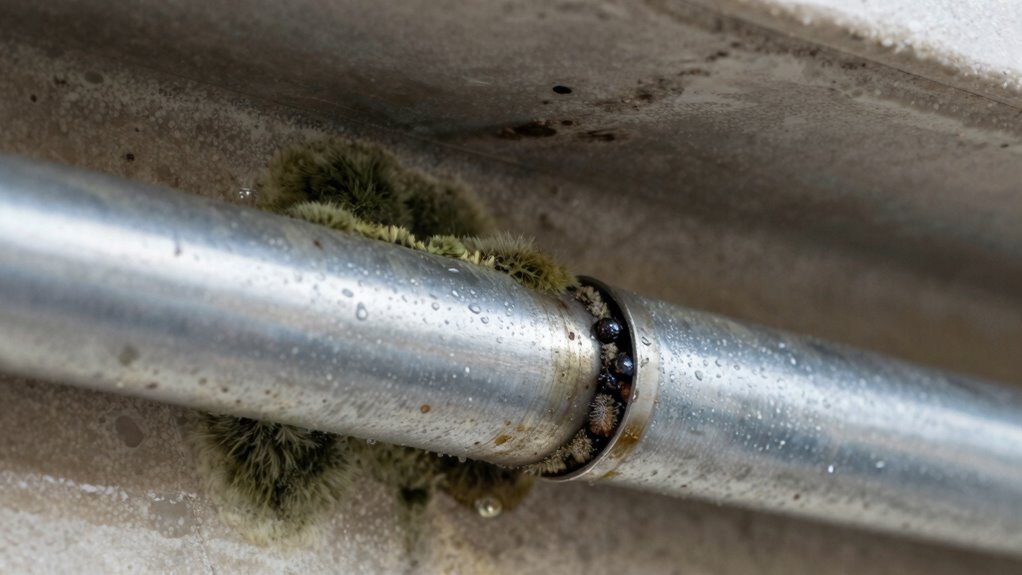

A small clog in your HVAC condensate line can seem minor but can quickly lead to mold growth and costly repairs if ignored. When debris or algae block water flow, excess moisture can overflow your drain pan and create damp environments ideal for mold. This mold can trigger allergies and damage your system. Staying vigilant and addressing clogs early helps prevent bigger problems. Keep going to discover how to spot and clear these issues before they turn into costly repairs.

Get health and wellness essentials delivered free — and shop member deals
- Fast, free delivery on millions of items
- Access to Prime Big Deal Days deals on October 6–7
- Prime Video, Amazon Music and more included
Key Takeaways
- Small clogs in condensate lines can create stagnant, damp environments ideal for mold growth.
- Mold spores from contaminated condensate lines can trigger allergies and respiratory issues.
- Regular maintenance prevents minor clogs from turning into major mold and water damage problems.
- Using vinegar or a wet-dry vacuum helps remove clogs and inhibit mold development.
- Addressing condensate line issues promptly safeguards indoor air quality and HVAC system longevity.
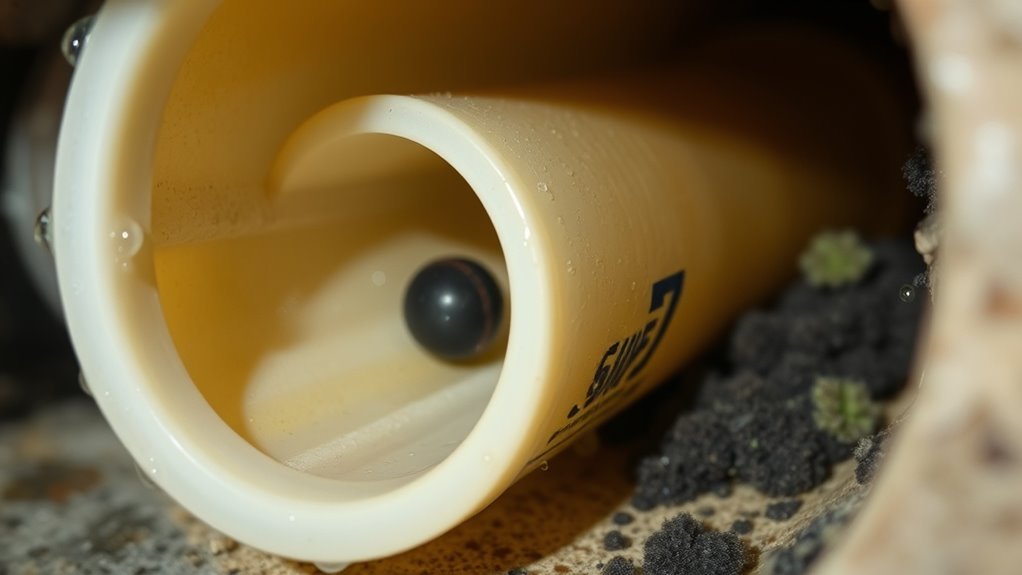
HVAC condensate lines play a crucial role in removing excess moisture from your heating, ventilation, and air conditioning system. When these lines work properly, they channel the water produced during cooling away from your home, preventing water damage and maintaining indoor air quality. However, if you neglect their maintenance, even a small clog can turn into a big mold problem. You might not notice the clog immediately, but over time, water can back up, leak, or stagnate inside the line. This creates the perfect environment for mold and bacteria to grow, which can then spread through your HVAC system and into your living space.
Most of the time, condensate line clogs are caused by dirt, dust, and debris that accumulate over time. When your AC runs, it produces condensation that should flow freely through the drain line. But if dirt or algae start to build up inside the pipe, they restrict water flow. This leads to water pooling in the drain pan or overflowing from the line. You may notice water leaking around your unit or increased humidity levels because the system can’t drain properly. These signs point to a clog that needs immediate attention to prevent further damage.
Dirt and algae buildup can clog condensate lines, causing leaks and increased humidity.
A small clog might seem harmless at first, but it quickly becomes a breeding ground for mold if left untreated. Mold spores thrive in damp, stagnant environments, and your condensate line provides just that if it’s blocked. Once mold begins to grow, it can release spores into your home’s air, aggravating allergies or respiratory issues. More seriously, mold can damage the HVAC components, leading to costly repairs or replacements. Besides mold, bacteria can also multiply in these moist areas, creating unpleasant odors that circulate throughout your home whenever your system runs.
Cleaning and maintaining your condensate line regularly is the best way to prevent these issues. Simple inspections, such as checking for visible clogs or leaks, can catch problems early. Using a wet-dry vacuum to clear out the line or pouring a mixture of vinegar and water can help dissolve algae and buildup. Ensuring the drain pan is clean and unobstructed also contributes to proper drainage. Regularly inspecting your condensate line can help you prevent clogs before they cause significant problems. Remember, preventing a clog is much easier and less costly than dealing with mold cleanup or system repairs afterward. By staying proactive, you keep your HVAC system running efficiently and your indoor air quality safe, avoiding the health hazards and property damage caused by neglected condensate lines.
As an affiliate, we earn on qualifying purchases.
Frequently Asked Questions
How Often Should I Inspect My Condensate Line?
You should inspect your condensate line at least once every three to six months. Regular checks help you spot clogs, leaks, or mold buildup early. If you notice standing water, mold, or strange odors, it’s time to clean the line immediately. Keeping an eye on it prevents water damage and mold growth, ensuring your HVAC system runs efficiently and safely. Regular inspections save you time and money in the long run.
Can a Clogged Line Cause Interior Water Damage?
Imagine waking up to a soaked basement after your AC unit leaks. A clogged condensate line can definitely cause interior water damage by overflowing and seeping into walls or flooring. When the line isn’t cleared, water can’t drain properly, leading to leaks and potential mold growth. Regular inspections prevent this, ensuring your system runs smoothly and avoids costly repairs caused by water damage.
What’s the Best Way to Prevent Mold Growth?
To prevent mold growth, you should regularly clean and inspect your HVAC condensate lines to prevent clogs. Keep the area around the unit dry and ensure proper drainage. Use a mixture of bleach and water or commercial cleaning solutions to disinfect the lines periodically. Additionally, consider installing a humidistat to control indoor humidity levels, keeping them below 60%, which discourages mold growth. Regular maintenance is crucial to avoid mold problems.
Are There DIY Methods to Clear a Clog Safely?
Yes, you can clear a clog safely with DIY methods. Think of it like unclogging a drain—use a wet/dry vacuum to suck out debris, or pour a mixture of vinegar and baking soda down the line to break up buildup. Let it sit for 15-30 minutes before flushing with water. Always wear gloves and eye protection, and avoid harsh chemicals to keep the job safe and effective.
When Should I Call a Professional for Repairs?
You should call a professional if you’re unsure about the clog or if your DIY efforts don’t clear it. If you notice persistent mold, foul odors, or water damage, it’s time to get expert help. Also, avoid handling electrical components or using harsh chemicals. Professionals have the tools and knowledge to safely and effectively resolve the issue, preventing further damage or health risks.
wet-dry vacuum for condensate line
As an affiliate, we earn on qualifying purchases.
As an affiliate, we earn on qualifying purchases.
Conclusion
Remember, a tiny clog in your HVAC condensate line can lead to a massive mold problem, affecting your home’s air quality. Did you know that mold spores can travel through the air at speeds up to 3 miles per hour? That’s faster than most jogging speeds! So, don’t ignore those small clogs—regular maintenance keeps your system running smoothly and keeps harmful mold where it belongs: out of your home. Stay vigilant and breathe easy.
As an affiliate, we earn on qualifying purchases.
As an affiliate, we earn on qualifying purchases.
Fall Picks
fall essentials
As an affiliate, we earn on qualifying purchases.