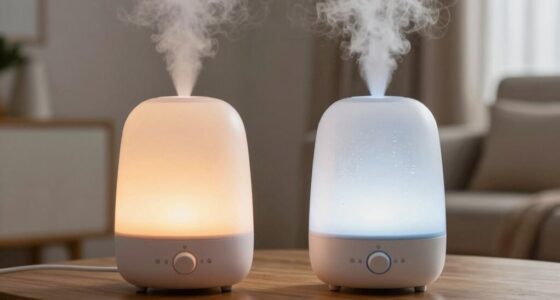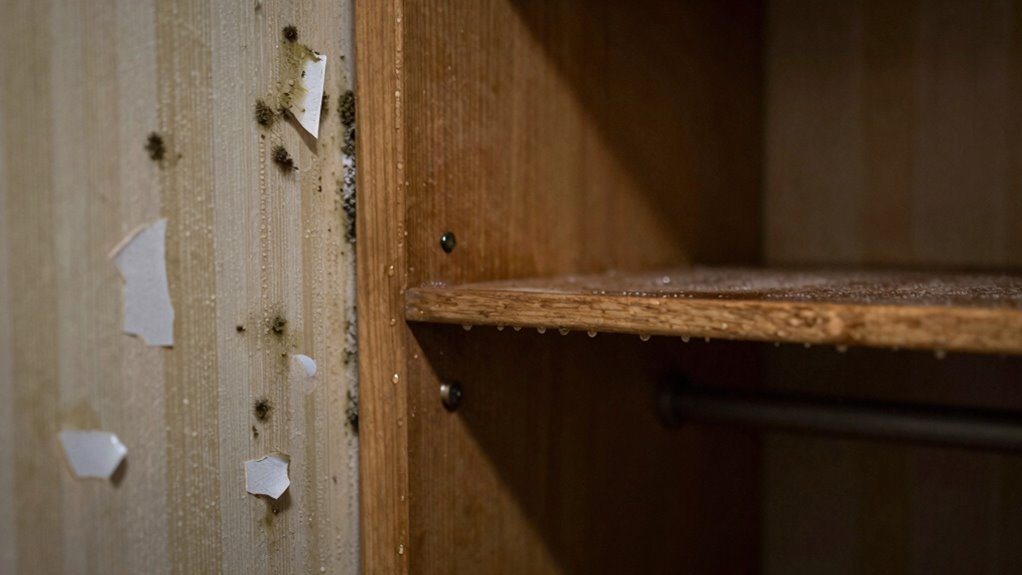
Moisture trouble often starts in closets and corners because these spots usually have poor airflow and limited natural ventilation. When humidity from daily activities like laundry, showers, or breathing builds up without enough fresh air, it traps moisture in these areas. This creates an environment where mold can grow and surfaces stay damp longer. If you want to understand how to prevent this and keep your space dry, keep exploring these solutions.

Get health and wellness essentials delivered free with Prime
- Fast, free delivery on millions of items
- Prime Video, Amazon Music and more included
- Member-only deals all year
Key Takeaways
- Closets and corners often have poor airflow, trapping moisture and preventing quick drying.
- These areas are less exposed to natural ventilation, allowing humidity to accumulate.
- Condensation tends to form on cold surfaces in corners and enclosed closet spaces.
- Stored items can retain moisture, increasing overall dampness in these hidden spots.
- Limited air circulation and inadequate ventilation contribute to persistent dampness and mold growth.
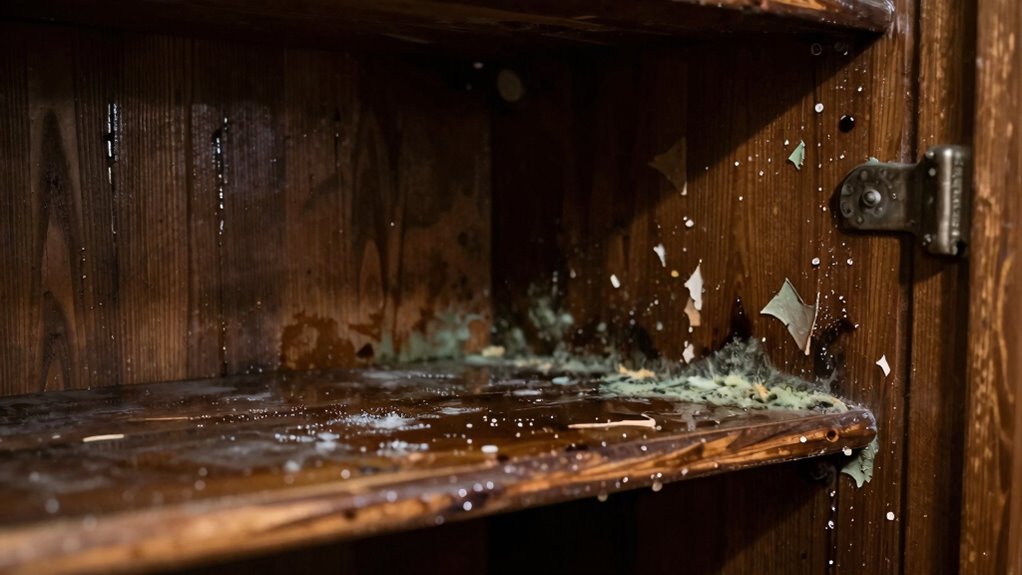
Have you noticed dampness or a musty smell in your closets and corners? If so, you’re likely dealing with moisture problems that can quickly lead to mold growth if left unchecked. These spots tend to trap moisture because of poor ventilation issues, which makes them prime areas for trouble. When air can’t circulate properly, humidity levels rise, creating a perfect environment for mold to thrive. This is especially true in areas like closets and corners, where airflow is naturally limited and surfaces tend to stay damp longer. Ignoring these signs can lead to more serious issues down the line, so understanding why moisture accumulates here is the first step to preventing damage.
Closets and corners often become moisture traps because they’re tucked away from the main living areas, making them less likely to get enough fresh air. Without proper ventilation, humidity from everyday activities—like laundry, showering nearby, or even just breathing—builds up gradually. Over time, this excess moisture condenses on walls, ceilings, and stored items, creating an environment conducive to mold growth. Proper ventilation and moisture control are essential to prevent these issues from developing further. Installing vents, using exhaust fans, or simply opening doors and windows regularly can considerably reduce humidity levels. If natural ventilation isn’t enough, consider using a dehumidifier to keep moisture in check. These small steps make a huge difference in controlling the indoor climate and preventing mold from taking hold. Additionally, understanding how ventilation issues contribute to moisture buildup can help you develop more effective prevention strategies. Proper insulation can also play a crucial role in preventing condensation and moisture problems in these hidden areas. Ensuring good air circulation in these spaces is key to avoiding persistent dampness.
As an affiliate, we earn on qualifying purchases.
Frequently Asked Questions
How Can I Prevent Moisture Buildup in Hidden Corner Spaces?
To prevent moisture buildup in hidden corner spaces, you should improve ventilation by installing vents or exhaust fans. Using a dehumidifier can also help reduce excess humidity, especially in enclosed areas. Regularly check for leaks or condensation, and keep the space dry by wiping surfaces. These steps will help maintain proper airflow and moisture levels, preventing mold growth and damage caused by excess moisture.
Are Certain Materials More Prone to Moisture Issues in Closets?
Certain materials, like fabric insulation and wooden shelving, are more prone to moisture issues in closets. Fabric insulation traps humidity, creating a cozy environment for mold, while wooden shelving absorbs moisture, leading to warping or decay. Think of these materials as the silent hosts of moisture troubles—storing your clothes or belongings. To prevent problems, opt for moisture-resistant alternatives and guarantee good airflow, keeping your closet dry and protected.
What Are Quick Signs of Hidden Mold Caused by Moisture?
You can spot hidden mold caused by moisture if you notice damp odors lingering in your closet or corners. Look for visible mold growth, which often appears as black, green, or white spots on walls, ceilings, or furniture. Also, pay attention to musty smells that don’t go away. These signs indicate hidden mold, and addressing moisture issues promptly helps prevent health problems and further damage.
Can Indoor Plants Contribute to Moisture Problems in Closets?
Indoor plants can contribute to moisture problems in closets if you don’t pay attention to air circulation and plant placement. When plants are placed too close together or near walls, they trap humidity, increasing moisture levels. Poor air circulation prevents moisture from escaping, which can lead to mold and dampness. To prevent this, guarantee proper plant spacing and good airflow, especially in small or enclosed closet spaces.
How Often Should I Inspect for Moisture in Closet Corners?
You should inspect your closet corners at least once a month to catch moisture early. Use effective ventilation techniques like opening doors and windows regularly, and consider running a dehumidifier if humidity levels stay high. Keep an eye out for any signs of dampness or mold, and address issues promptly. Regular inspections help prevent moisture buildup, protecting your belongings and maintaining a healthy, dry environment in your closet.
ventilation fan for small spaces
As an affiliate, we earn on qualifying purchases.
As an affiliate, we earn on qualifying purchases.
Conclusion
Think of your closet and corners as quiet guardians of your home’s secrets. When moisture sneaks in, it’s like a silent whisper of trouble, threatening to unravel comfort from within. By keeping these spaces dry and vigilant, you’re fundamentally sealing their whispers, ensuring they stand strong against unseen enemies. Your vigilance is the shield, and dryness the key — because a dry corner is a fortress where peace can truly thrive.
As an affiliate, we earn on qualifying purchases.
As an affiliate, we earn on qualifying purchases.
Halloween Picks
halloween
As an affiliate, we earn on qualifying purchases.