You can easily understand dew point at home by observing signs like dew on grass or cold surfaces in the morning. Use a simple thermometer to measure the air temperature and a hygrometer to check humidity levels. When moisture starts forming on surfaces or objects feel damp, that’s a sign you’ve reached the dew point. Continuing to explore these signs and tools can give you a clearer picture of how dew point works and why it matters.
Key Takeaways
- Use a thermometer and hygrometer to measure temperature and humidity, then compare with dew point charts for easy understanding.
- Observe moisture on cold surfaces like mirrors or windows to identify when air reaches dew point.
- Recognize that higher humidity and cooler temperatures indicate a higher dew point.
- Note early morning dew formation as a natural sign of the air reaching dew point.
- Utilize online dew point calculators with your temperature and humidity data for quick, simple insights.
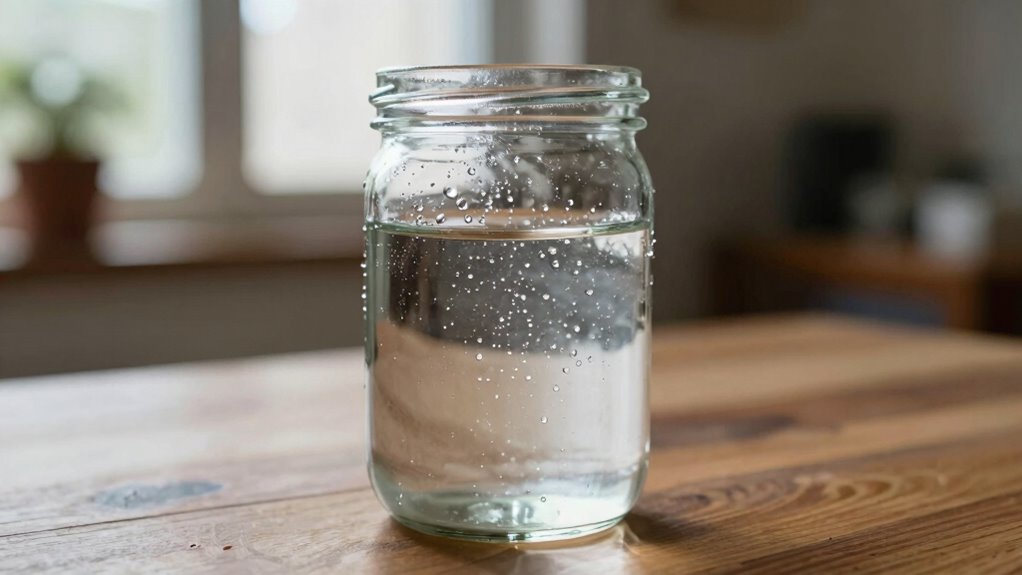
Understanding dew point might seem complicated, but you can easily grasp the concept right at home with simple tools. All you need is a thermometer and a hygrometer, or even just a basic thermometer to start. Dew point is the temperature at which air becomes saturated with moisture, causing water vapor to condense into dew. To understand this, you first need to get a sense of humidity levels and how temperature changes affect them. Humidity is the amount of moisture in the air, and it varies throughout the day and with weather conditions. When humidity is high, the air contains a lot of moisture, so it’s closer to reaching its dew point. When humidity is low, the air has less moisture, and the dew point is lower.
To explore this at home, begin by measuring the current temperature with a thermometer. Then, check the humidity level—if you have a hygrometer, it will tell you the percentage of moisture in the air. If not, you can estimate humidity by observing how quickly moisture forms on cold surfaces or by the feeling of dampness in the air. As temperature changes during the day, the humidity level also shifts, influencing the dew point. For example, in the early morning, temperatures tend to be lower, and humidity levels often rise, bringing you closer to the dew point. As the day warms up, the air can hold more moisture, and the dew point usually stays steady or rises slightly. Understanding atmospheric conditions can help you better interpret these changes. Recognizing dew point trends can also help you manage indoor humidity for comfort and health. Additionally, understanding the relationship between temperature and humidity can improve your ability to predict dew formation and weather patterns. Knowing how air saturation affects dew point will deepen your comprehension of local weather phenomena. A simple way to approximate dew point at home is to use an online calculator or dew point chart. Input the current temperature and humidity level, and it will tell you the dew point temperature. This helps you visualize how close the air is to becoming saturated. If you notice dew forming on your grass or car windows in the morning, that’s a sign that the temperature has dropped to the dew point. Conversely, on hot and dry days, dew points are lower, and you won’t see much condensation. Being aware of atmospheric humidity can also aid in predicting weather changes and planning indoor comfort.

TempPro TP50 Digital Hygrometer Indoor Thermometer Room Thermometer and Humidity Gauge with Temperature Humidity Monitor(Previously ThermoPro)
Wellness Indicator: This humidity meter with humidity level icon indicates air conditions – DRY/COMFORT/WET, allowing this humidity sensor…
As an affiliate, we earn on qualifying purchases.
As an affiliate, we earn on qualifying purchases.
Frequently Asked Questions
How Does Dew Point Affect Indoor Air Quality?
Dew point affects indoor air quality because when the air’s temperature drops to or below the dew point, dew formation occurs, leading to air condensation on surfaces. This moisture can promote mold growth and dust mites, which harm air quality. You might notice damp spots or musty odors, indicating high humidity and dew point issues. Managing your indoor humidity helps prevent unwanted dew formation and maintains healthier air.
Can Dew Point Influence Humidity Levels Indoors?
Yes, dew point directly influences indoor humidity levels, impacting your comfort. When the dew point is high, moisture in the air increases, making it harder to control humidity. To maintain ideal indoor comfort, you should monitor the dew point and adjust your humidity control systems accordingly. Properly managing dew point helps prevent excess moisture, mold growth, and discomfort, creating a healthier, more comfortable indoor environment.
What Tools Are Best for Measuring Dew Point at Home?
For dew point measurement at home, use a digital hygrometer or a psychrometer. These tools help you accurately gauge home humidity levels and dew point. Digital hygrometers are easy to use and provide quick readings, while psychrometers require a bit of manual effort but are reliable. Regularly monitoring your dew point helps you maintain comfortable indoor conditions, prevent moisture issues, and improve air quality.
How Does Dew Point Impact Energy Efficiency?
Dew point greatly impacts energy efficiency because higher dew points can cause increased humidity, making your home feel less comfortable. When the dew point is high, condensation may form on windows and walls, leading to potential damage and mold growth. By monitoring dew point, you can better control indoor humidity levels, reducing cooling costs and improving comfort. Keeping the dew point low helps prevent condensation and guarantees your home stays energy-efficient and cozy.
Is Dew Point the Same as Dew Point Temperature?
Is dew point the same as dew point temperature? Not quite. Dew point definitions refer to the specific temperature at which air becomes saturated, causing dew to form. Dew point temperature is a precise measurement of that temperature, often determined using simple tools like a hygrometer or chilled mirror. When you understand these measurement techniques, you grasp how dew point influences humidity and comfort, revealing its essential role in your environment.
TempPro TP50 Digital Hygrometer Indoor Thermometer Room Thermometer and Humidity Gauge with Temperature Humidity Monitor(Previously ThermoPro)
Wellness Indicator: This humidity meter with humidity level icon indicates air conditions – DRY/COMFORT/WET, allowing this humidity sensor…
As an affiliate, we earn on qualifying purchases.
As an affiliate, we earn on qualifying purchases.
Conclusion
So, next time you’re sweating through a summer day, remember that dew point isn’t just some fancy weather term—it’s the silent artist painting droplets of moisture right where you least want them. Ironically, understanding it at home can make you feel like a weather wizard, yet the real magic is how it sneaks into your day, turning your cozy space into a tiny, humid rainforest. Who knew science could be so invigoratingly inconvenient?
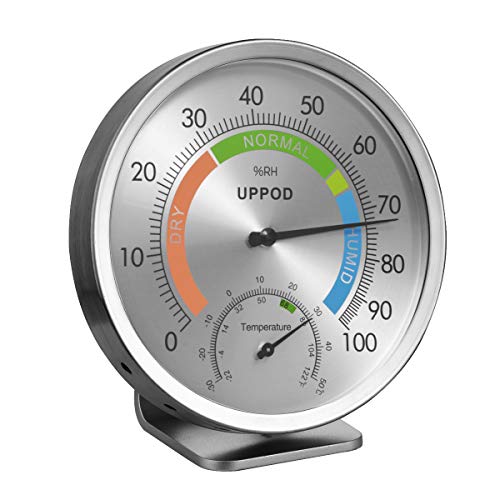
LittleGood 5" Indoor Outdoor Hygrometer/Thermometer, Humidity Gauge Indicator Temperature Humidity Monitor, Analog Hygrometer Humidor (English Version)
5" INDOOR OUTDOOR HYGROMETER [THE UPDATED ENGLISH VERSION]: Diameter 13cm/5 inch make this hygrometer rally easy to read…
As an affiliate, we earn on qualifying purchases.
As an affiliate, we earn on qualifying purchases.

Dew Point Calculator
Works with any temperature between 0ºC and 50ºC.
As an affiliate, we earn on qualifying purchases.
As an affiliate, we earn on qualifying purchases.