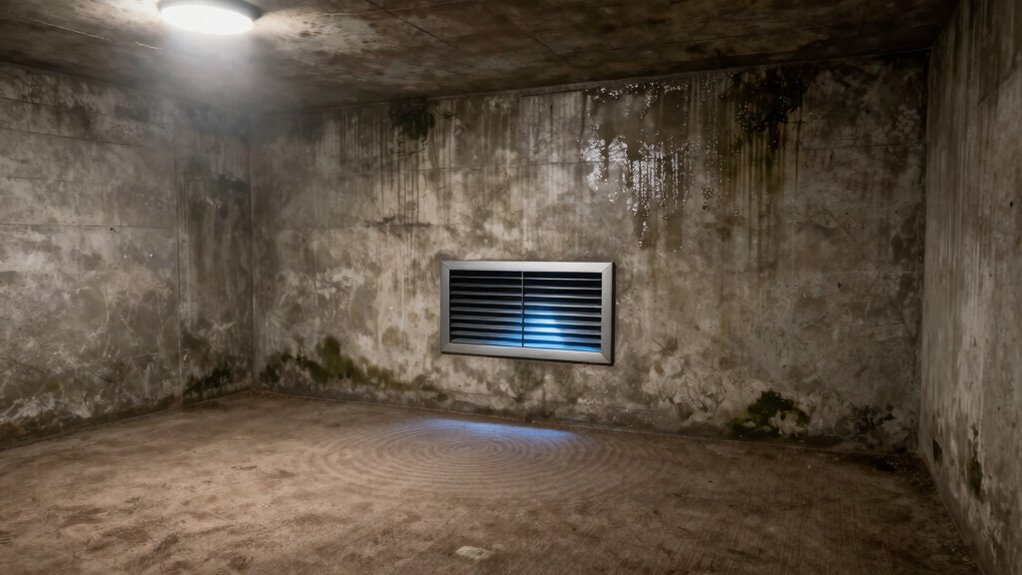

When your central air runs, it circulates moist, stale air from your basement, spreading the damp smell throughout your home. If your basement has hidden moisture from leaks, poor ventilation, or mold, the system can amplify the odor and disperse mold spores. Dirty filters or moldy ducts can also worsen the smell. To eliminate this issue, you need to identify moisture sources and improve airflow. Keep exploring to find out effective ways to fix this problem.

Get health and wellness essentials delivered free — and shop member deals
- Fast, free delivery on millions of items
- Access to Prime Big Deal Days deals on October 6–7
- Prime Video, Amazon Music and more included
Key Takeaways
- Central air circulates stale, humid basement air, spreading musty odors throughout the home.
- High humidity and moisture sources in the basement promote mold growth, which releases bad odors when air is circulated.
- Dirty filters and moldy ducts can distribute mold spores and musty smells via the central air system.
- Poor basement ventilation traps moisture and odors, making them persist even when the AC runs.
- Without proper dehumidification and repairs, moisture and mold problems remain, causing basement odors to intensify with central air use.
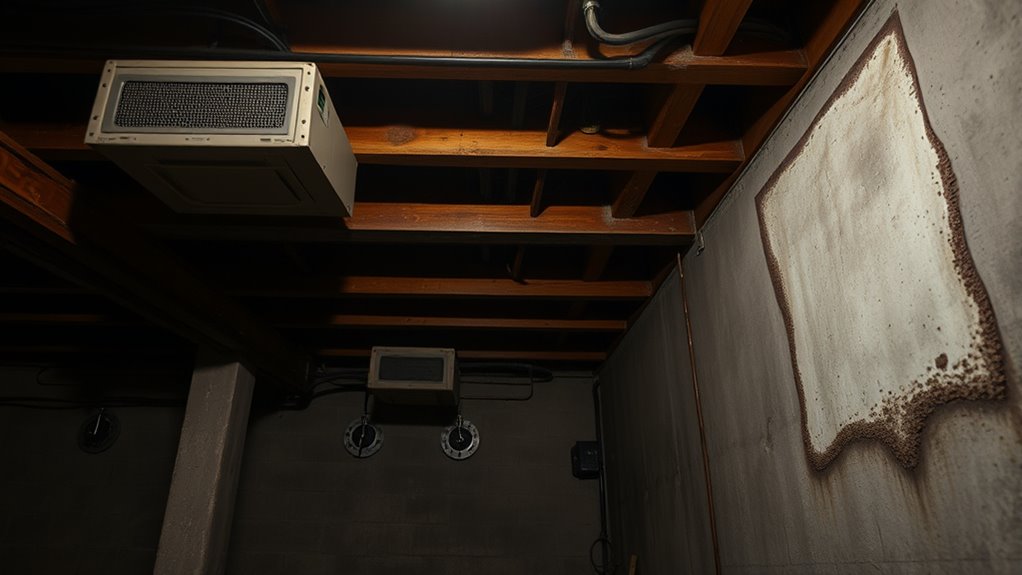
If your basement smells musty, it’s a clear sign that mold, mildew, or excess moisture are present. Even with your central air running, the smell can persist, and understanding why is key to fixing the problem. Central air systems circulate air throughout your home, including the basement, but they don’t automatically eliminate moisture or prevent mold growth. In fact, running your AC can sometimes worsen the smell if your basement already has high humidity levels or hidden moisture sources. When the air conditioning cools the space, it causes condensation on walls, floors, and other surfaces, creating a perfect environment for mold and mildew to thrive if moisture isn’t properly managed.
One common cause is that your basement has poor ventilation. Even with the AC on, if air isn’t circulating well or there are limited vents, moisture can get trapped. Without proper airflow, humidity levels remain high, and this damp environment fosters mold growth. You might not see visible mold, but spores can be present in the air, contributing to that musty odor. Additionally, leaks or seepage from the foundation or plumbing can introduce moisture into the space unnoticed. Water might be seeping through cracks in the walls or floors, increasing humidity and creating damp spots that encourage mold development.
Another factor is that your central air system may be distributing stale, humid air from the basement to the rest of your house. If the system isn’t equipped with proper dehumidification or if the filters are dirty, it can circulate odor-causing mold spores and musty air throughout your home. This makes it seem like the smell is coming from the entire house, but it’s originating from the damp basement. Sometimes, the condensation that forms on air ducts or vents can also become a breeding ground for mold if not cleaned regularly.
Furthermore, your basement might have hidden sources of moisture, like a humidifier, sump pump, or even nearby landscaping that causes water to seep into the foundation. When the AC runs, it cools the space but doesn’t address these underlying moisture issues. Without fixing the source, the smell will linger regardless of how much you run your air conditioning. To combat this, you need to control humidity levels using a dehumidifier, ensure proper ventilation, and repair any leaks or seepage. Regular cleaning of air vents and ducts also helps prevent mold spores from circulating. Addressing the moisture problem at its source is essential to eliminate that persistent musty smell, even when your central air is running. Additionally, air quality improvements such as installing air purifiers can help remove mold spores and improve indoor air health.
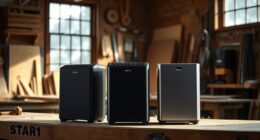
basement dehumidifier for moisture control
As an affiliate, we earn on qualifying purchases.
As an affiliate, we earn on qualifying purchases.
Frequently Asked Questions
Can Central Air Cause Mold Growth in Basements?
Yes, central air can contribute to mold growth in basements. When your system circulates humid air, it can increase moisture levels if there’s existing poor ventilation or leaks. This excess moisture creates an ideal environment for mold to thrive on walls, floors, or other surfaces. To prevent this, guarantee your basement remains dry, fix leaks promptly, and consider using a dehumidifier alongside your central air system.
How Does Humidity Affect Basement Odors With AC Running?
Humidity acts like a sponge, soaking up moisture and trapping it in your basement. When your AC runs, it can dry out the air, but if humidity levels stay high, odors cling like stubborn shadows. Keeping humidity between 30-50% helps prevent musty smells. Use a dehumidifier if necessary, and make certain your AC’s drain system functions properly to keep moisture levels in check and odors at bay.
Are Air Purifiers Effective Against Musty Basement Smells?
Yes, air purifiers can help reduce musty basement smells. They work by filtering out mold spores, dust, and odors from the air, making the space fresher. Choose a purifier with a HEPA filter for best results. Keep it running consistently, especially in humid conditions, and combine it with proper ventilation and moisture control for the most effective odor elimination.
Should I Run the Fan or Dehumidifier in My Basement?
You should run the dehumidifier in your basement to combat the musty smell. The dehumidifier removes excess moisture that causes mold and mildew, which are often behind those odors. Running the fan alone isn’t enough; it just circulates stale air. Keep the dehumidifier on consistently, especially during humid weather, and make certain proper ventilation to keep your basement dry and fresh.
Can Blocked Vents Worsen Basement Musty Odors?
Think of blocked vents like clogged arteries—they restrict airflow and trap moisture. Yes, blocking vents can worsen basement musty odors because it prevents proper air circulation and moisture control. I once had a friend who ignored vent obstructions, and his basement’s smell intensified. Clearing vents improves airflow, reduces humidity, and helps eliminate that damp, musty smell. So, keep vents unobstructed for a fresher, healthier space.
As an affiliate, we earn on qualifying purchases.
Conclusion
So, even with your central air running smoothly, that musty basement smell can still linger. It’s ironic how crisp, conditioned air can’t always eliminate the dampness and mold that cause odors. While your system circulates air, it doesn’t necessarily dry out the moisture that fosters mold. Sometimes, it’s the contrast between the clean air you breathe and the stale smell in your basement that highlights the need for targeted moisture control. Address that, and fresh air will truly feel invigorating.
As an affiliate, we earn on qualifying purchases.
As an affiliate, we earn on qualifying purchases.
Fall Picks
fall essentials
As an affiliate, we earn on qualifying purchases.