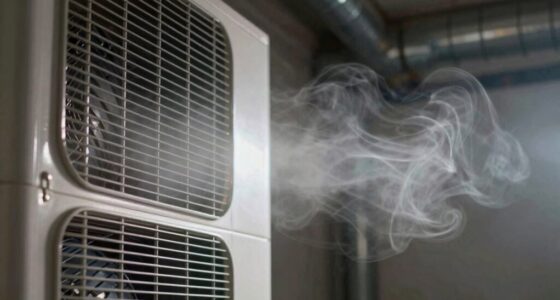
Proper supply vent placement directly impacts your comfort by promoting even airflow and maintaining consistent temperatures. When vents are positioned correctly, warm or cool air circulates effectively, preventing hot or cold spots and reducing drafts. Poor placement can cause uneven airflow, making some areas uncomfortable and forcing you to adjust your thermostat frequently. Understanding the best vent positions can help you create a more balanced and comfortable environment—if you want to learn how to optimize your vents, keep going.

Get health and wellness essentials delivered free with Prime
- Fast, free delivery on millions of items
- Prime Video, Amazon Music and more included
- Member-only deals all year
Key Takeaways
- Proper vent placement ensures even airflow, preventing hot or cold spots in the room.
- Strategic positioning helps promote balanced air circulation, maintaining consistent temperature levels.
- Correct vent location minimizes airflow stagnation and drafts, enhancing overall comfort.
- Avoiding obstruction and placing vents near room centers improves air distribution efficiency.
- Proper placement reduces temperature stratification, creating a more uniform and comfortable environment.

The placement of supply vents plays a crucial role in ensuring your room stays comfortable and evenly heated or cooled. When vents are correctly positioned, they promote ideal airflow patterns that distribute air effectively throughout the space. Poor vent placement can create uneven airflow, leading to hot or cold spots and making your room feel uncomfortable. You want the airflow to circulate smoothly, avoiding areas where air stagnates or where drafts might occur. Proper vent positioning encourages a balanced flow, preventing drafts near one part of the room and ensuring the entire space receives a consistent temperature.
One of the biggest issues caused by improper supply vent placement is temperature stratification. This phenomenon happens when warm or cool air doesn’t mix well with the existing air in the room, creating layers of different temperatures. For example, if vents are placed too high or directed incorrectly, warm air may rise and linger near the ceiling while the lower areas stay colder. Conversely, cold air from a vent might settle at the floor level if not properly directed, making the room feel uneven. When temperature stratification occurs, you might find yourself constantly adjusting your thermostat or feeling uncomfortable because the space isn’t reaching the desired temperature evenly. Proper vent placement helps minimize stratification by encouraging air to circulate more evenly, reducing these temperature layers. Additionally, understanding airflow patterns can help you make better decisions about vent placement and optimize comfort. Ensuring optimal air circulation is essential for maintaining a consistent temperature throughout the room. Recognizing how airflow interacts with the physical layout of your space can make a significant difference in comfort. Being mindful of airflow dynamics allows for better strategic placement of vents to enhance overall efficiency and comfort.
You can improve overall room comfort by considering the natural flow of air when placing supply vents. Think about where the warm or cool air will naturally move and how it can be directed to maximize coverage. For example, placing vents near the center of a room or at strategic angles allows air to spread out more evenly. Also, make sure vents aren’t blocked by furniture or curtains, which can disrupt airflow patterns. When air is allowed to flow freely and distribute evenly, temperature differences are minimized, and your room feels more comfortable overall. Furthermore, paying attention to vent register adjustments can help you fine-tune airflow and enhance comfort levels. When you pay attention to airflow patterns and avoid creating dead zones with poor circulation, you create a more uniform environment. Good supply vent placement is about understanding how air moves in a room and making strategic decisions that promote comfort, reduce temperature stratification, and keep your space feeling just right.
As an affiliate, we earn on qualifying purchases.
Frequently Asked Questions
How Does Vent Placement Impact Energy Efficiency?
Proper vent placement boosts energy efficiency by optimizing airflow and reducing uneven temperature distribution. When vents are strategically positioned, you guarantee better airflow optimization, which minimizes the need for excessive heating or cooling. Additionally, correct vent placement works with insulation effects to prevent heat loss or gain around vents, making your system more efficient. This means lower energy bills and a more comfortable room environment, as air circulates evenly and efficiently throughout your space.
Can Improper Vent Placement Cause Uneven Temperature Distribution?
Improper vent placement can definitely cause uneven temperature distribution. When vents are poorly positioned, airflow disruption occurs, preventing warm or cool air from reaching all parts of the room evenly. This often leads to hot or cold spots, making the space uncomfortable. Additionally, incorrect placement can cause noise issues, as air struggles to flow smoothly, resulting in disruptive sounds that further diminish your comfort.
What Are Common Mistakes in Supply Vent Installation?
Like a misplaced brushstroke on a masterpiece, poor vent installation can mar your room’s harmony. Common mistakes include placing vents where they’re easily obstructed by furniture, which blocks airflow and causes uneven heating or cooling. Ignoring aesthetic considerations, such as vent placement that clashes with decor, can make vents more noticeable. Ensuring vents are unobstructed and thoughtfully integrated keeps airflow smooth and your space visually pleasing.
How Often Should Vents Be Repositioned for Optimal Comfort?
You should check your vents every few months and reposition them as needed to guarantee ideal airflow and comfort. Regular vent maintenance helps prevent blockages and uneven distribution of air, which can cause discomfort. By periodically adjusting vents, you enhance airflow, maintaining a balanced temperature in the room. Consistent repositioning ensures that hot or cold spots are minimized, creating a more comfortable environment while improving the overall efficiency of your HVAC system.
Does Room Size Influence Optimal Vent Placement?
Did you know that larger rooms require different vent placements to maintain comfort? Yes, room size considerably influences ideal vent placement because bigger spaces need better air circulation. If vents are poorly positioned in a large room, you might experience uneven temperatures or drafts. To maximize comfort, place vents strategically—near the center or opposite corners—to guarantee even airflow, especially in rooms with expansive layouts.
As an affiliate, we earn on qualifying purchases.
Conclusion
Imagine the cool breeze from your supply vent gently swirling around you, perfectly balancing the room’s temperature. When vents are thoughtfully placed, comfort becomes effortless—like a calm lake reflecting a clear sky. But if they’re in the wrong spot, it’s as if the breeze struggles, leaving you chilly or stuffy. Pay attention to vent placement, and you’ll create a cozy haven where every breath feels just right—like a comforting hug on a chilly day.
As an affiliate, we earn on qualifying purchases.
As an affiliate, we earn on qualifying purchases.
Halloween Picks
halloween
As an affiliate, we earn on qualifying purchases.