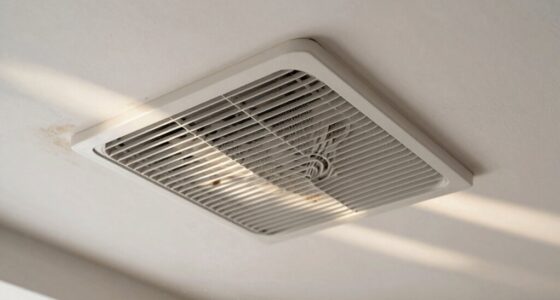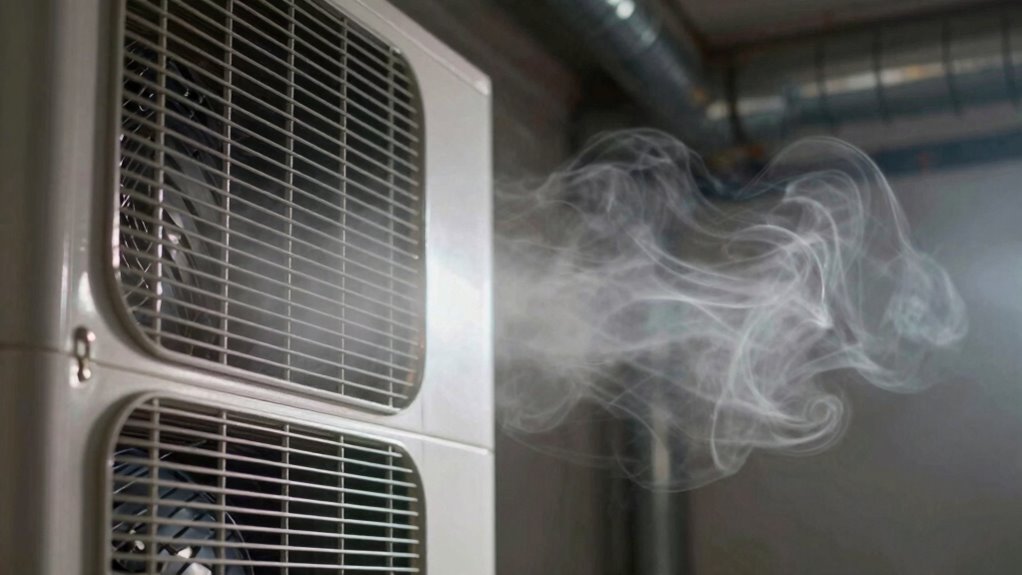

You’ll find that poor airflow design, outdated filters, and poorly sealed ductwork cause odors to spread quickly in HVAC setups. Strong or uneven airflow pushes smells into different areas faster, while bad filtration allows contaminants to circulate freely. If ducts aren’t sealed properly, odors can disperse rapidly through turbulence. To understand how to control this better and improve your indoor air quality, keep exploring the factors that influence odor spread.

Get health and wellness essentials delivered free with Prime
- Fast, free delivery on millions of items
- Prime Video, Amazon Music and more included
- Member-only deals all year
Key Takeaways
- Uneven or strong airflow patterns quickly push odors into different areas.
- Poorly maintained or low-quality filters fail to trap odor particles effectively.
- Narrow, poorly sealed ductwork creates turbulence, dispersing odors rapidly.
- Lack of regular cleaning allows odor sources to build up and spread.
- Ineffective airflow management directs odors toward living or working spaces.
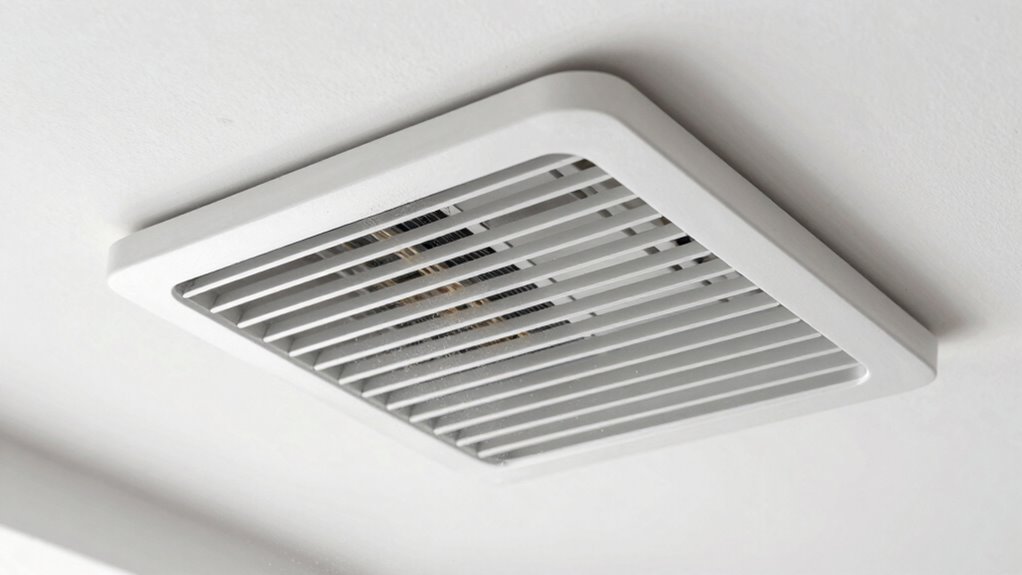
When odors originate inside your HVAC system, they can quickly spread throughout your entire space, affecting indoor air quality and comfort. The way these smells travel depends heavily on airflow patterns within your system. If your HVAC setup creates strong, uneven airflow, odors can be pushed rapidly into different rooms, making the problem worse. Poor airflow design might cause stale air to stagnate in some areas while spreading smells in others. Understanding how your system circulates air helps you pinpoint why certain odors seem to invade your space faster than others. Regularly inspecting laboratory equipment and ensuring proper maintenance can help identify sources of odor-causing contaminants. Filtration efficiency plays an essential role in controlling odor spread, too. If your filters are outdated or inadequate, they won’t effectively trap odor-causing particles, allowing smells to pass through and circulate freely. High-quality filters with good filtration efficiency can considerably reduce the amount of airborne contaminants, including odors, that travel through your system. When filters are dirty or low-grade, they become less effective, letting odors slip past and spread quickly throughout your home or office. Regularly replacing or upgrading your filters enhances both airflow and odor control, preventing smells from lingering or spreading uncontrollably. The design of your ductwork also influences how fast odors spread. Narrow or poorly sealed ducts can create turbulence, causing odors to bounce around and disperse rapidly. Conversely, well-maintained, properly sealed ducts promote smooth airflow, limiting the movement of unwanted smells. Additionally, the placement of vents impacts odor distribution; vents located near sources of odor or in areas with high traffic can accelerate the spread. Proper system design and airflow management are crucial for reducing odor spread and maintaining healthy indoor environments. Ensuring your airflow patterns are optimized can significantly minimize odor transmission and improve overall air quality. Regular cleaning and maintenance help eliminate these sources, reducing the chances of odors spreading uncontrollably. It’s also important to consider air circulation strategies, as they can influence how quickly odors are diluted and removed from indoor spaces. Implementing airflow control techniques can help direct odors away from living and working areas, further limiting their spread. In essence, how your HVAC system is designed and maintained determines the speed and extent of odor dissemination. Proper airflow management, high filtration efficiency, and diligent upkeep work together to contain odors and improve indoor air quality. If you notice smells spreading faster than you’d like, it’s worth evaluating your system’s airflow design, filter quality, and maintenance routine to identify and address the underlying issues. Taking these steps guarantees that odors stay confined and that your indoor environment remains fresh and comfortable.
As an affiliate, we earn on qualifying purchases.
Frequently Asked Questions
Can HVAC Filters Prevent Odor Spread Effectively?
Yes, HVAC filters can prevent odor spread effectively. High-quality air filtration systems trap airborne particles, including odor-causing molecules, while specialized filters offer odor absorption features. Regularly replacing or upgrading your filters guarantees peak performance, reducing odors in your space. By using filters with activated carbon or charcoal, you can considerably improve air quality and prevent unpleasant smells from circulating throughout your HVAC system.
How Does Humidity Influence Odor Dispersal?
Humidity influences odor dispersal by affecting air moisture levels. When humidity is high, increased air moisture helps odors linger longer and spread more easily because moist air traps scent molecules, making them harder to neutralize. Conversely, controlling humidity levels reduces moisture in the air, which can limit odor spread. Proper humidity control in your HVAC system can help keep indoor air fresher and minimize lingering odors.
Do Duct Materials Affect Odor Transmission?
Yes, duct materials do affect odor transmission. Different duct materials have varying levels of odor permeability, meaning some allow odors to pass through more easily than others. For example, flexible ducts made of certain plastics may permit odors to seep through, while metal ducts tend to block odors more effectively. Choosing the right duct material can help reduce odor spread and improve indoor air quality.
Can Regular Cleaning Stop Odor Spread?
Regular cleaning can substantially reduce odor spread, but it might not completely stop it. You need to improve air circulation and remove odor absorption sources to truly tackle the issue. Cleaning helps eliminate mold, dust, and bacteria that trap smells, but for persistent odors, consider deep cleaning or replacing filters. Consistent maintenance ensures your HVAC system doesn’t become a breeding ground for odors, keeping your indoor air fresh and clean.
Are Certain HVAC System Types More Prone to Spreading Odors?
Yes, certain HVAC system types are more prone to spreading odors due to their airflow patterns and system design. For example, ducted systems with complex layouts can circulate odors more widely, especially if filters aren’t maintained properly. In contrast, well-designed systems with strategic airflow control and effective filtration help contain and reduce odor spread. Understanding your system’s design can help you take targeted steps to improve indoor air quality.
As an affiliate, we earn on qualifying purchases.
Conclusion
Understanding why some HVAC setups spread odors faster helps you take control of your indoor air quality. Did you know that poorly maintained systems can circulate odors up to five times more quickly? Regular cleaning and proper ventilation greatly reduce this spread, keeping your home fresher and healthier. So, stay vigilant with maintenance, and you’ll prevent odors from quickly infiltrating every corner of your space, making your environment more comfortable for everyone.
As an affiliate, we earn on qualifying purchases.
As an affiliate, we earn on qualifying purchases.
Cold & flu season Picks
humidifiers
As an affiliate, we earn on qualifying purchases.