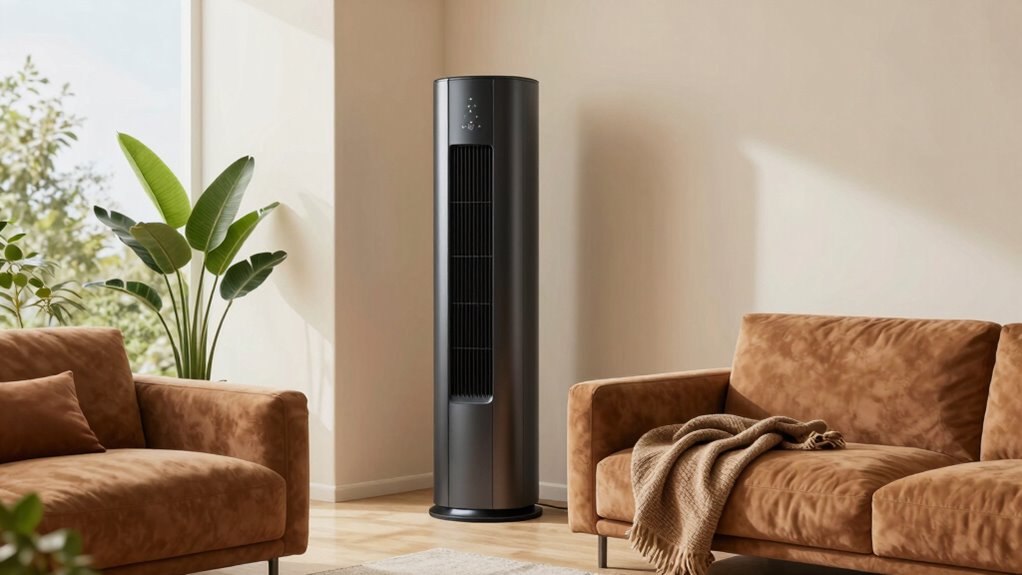
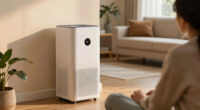
Whole-house air cleaners are a different category because they integrate directly into your home’s HVAC system, providing continuous and all-encompassing filtration for your entire living space. Unlike portable units, they handle the entire air volume and operate nonstop, making your environment healthier—especially if you have allergies or asthma. They use high-quality filters like HEPA and activated carbon to trap finer particles and odors more efficiently. To discover how these systems boost your home’s air quality effortlessly, continue exploring the benefits they offer.

Get health and wellness essentials delivered free — and shop member deals
- Fast, free delivery on millions of items
- Access to Prime Big Deal Days deals on October 6–7
- Prime Video, Amazon Music and more included
Key Takeaways
- Whole-house air cleaners integrate with HVAC systems for continuous, comprehensive air filtration across the entire home.
- They utilize higher-quality filters like HEPA and activated carbon for superior particle and odor removal.
- Designed for energy efficiency, they reduce operational costs compared to multiple portable units.
- Their seamless integration ensures consistent indoor air quality without user intervention.
- They offer long-term durability and maintenance advantages, making them a distinct, more efficient category.
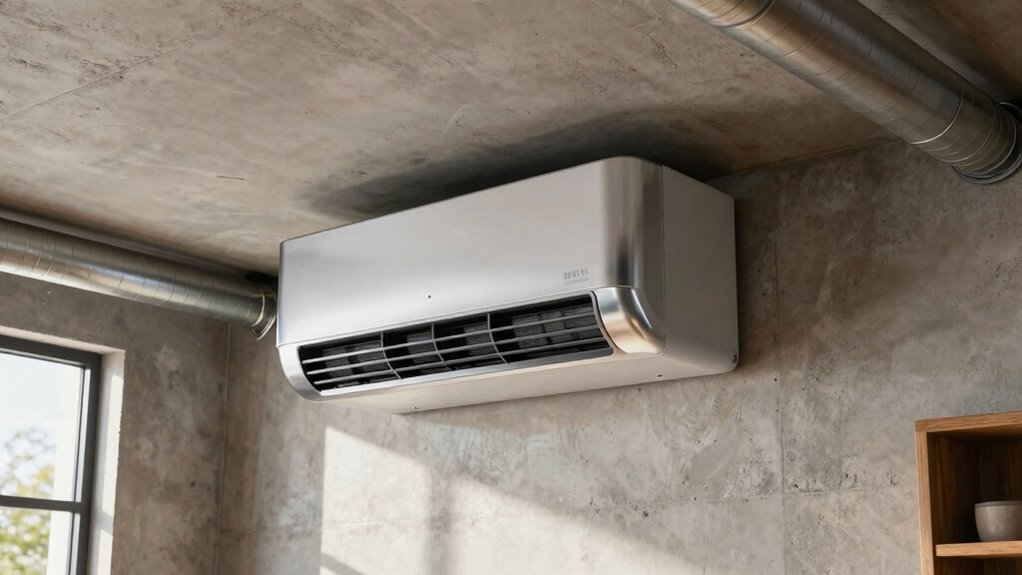
Another reason whole-house air cleaners are a different category is their capacity and efficiency. They’re built to handle the air volume of a whole house, meaning they work continuously to filter and purify the air as your HVAC runs. This continuous operation creates a healthier environment, especially if you suffer from allergies or asthma. Portable air purifiers, on the other hand, only clean the air in a single room or small area, often requiring you to move them around or run multiple units to achieve similar results. Whole-house systems also tend to have higher-quality filters, like HEPA or activated carbon filters, that trap finer particles and odors more effectively. Additionally, their filtering capacity allows them to maintain cleaner indoor air over time with less maintenance. Because they are integrated with your home’s HVAC system, they can provide consistent air quality throughout your living space without the need for multiple devices. This integration also helps optimize the overall energy efficiency of your home’s ventilation. Furthermore, system integration ensures that air purification is seamless and less intrusive to daily activities. Incorporating long-term efficiency into their design, these systems often lead to savings on energy and maintenance costs over time.
As an affiliate, we earn on qualifying purchases.
Frequently Asked Questions
How Often Should I Replace the Filters in a Whole-House Air Cleaner?
You should replace your whole-house air cleaner filters every 3 to 6 months, depending on usage and filter type. Regular filter maintenance guarantees ideal system compatibility and keeps the air clean. Check your system’s manufacturer recommendations, as some filters require more frequent changes. If you notice decreased airflow or increased dust, it’s a sign to replace the filters sooner. Staying on top of filter maintenance keeps your system running efficiently.
Can Whole-House Air Cleaners Remove All Types of Airborne Allergens?
Whole-house air cleaners excel at allergen filtration, but they can’t remove all airborne allergens completely. Their air purifier efficiency varies depending on the model and filter type, effectively capturing dust, pollen, pet dander, and mold spores. However, some allergens like viruses or volatile organic compounds may require specialized filters or additional purification methods. For maximum allergy relief, consider combining your whole-house system with portable air purifiers.
Do These Air Cleaners Increase Energy Consumption Significantly?
Whole-house air cleaners don’t substantially increase your energy consumption if you choose energy-efficient models. They’re designed with power consumption in mind, optimizing energy efficiency while maintaining effective filtration. While running these systems does add some extra load, modern units use minimal power, so your overall energy efficiency remains high. To keep energy use low, look for units with Energy Star ratings, ensuring you enjoy cleaner air without hefty electricity bills.
Are Whole-House Air Cleaners Compatible With Smart Home Systems?
Yes, many whole-house air cleaners are compatible with smart home systems, allowing you to integrate them seamlessly. You can control them via smart home apps or voice control devices like Alexa or Google Assistant. This compatibility makes it easy to turn the air cleaner on or off, adjust settings, or schedule operation remotely, enhancing your home’s air quality management and providing added convenience through smart home integration.
What Is the Typical Lifespan of a Whole-House Air Cleaning System?
You can expect a whole-house air cleaning system to last about 10 to 15 years with proper maintenance. Regularly follow maintenance schedules, including filter replacements and system inspections, to guarantee peak performance. Over time, system upgrades may be necessary to keep up with advancements in technology and maintain efficiency. Staying proactive with maintenance and upgrades helps extend your system’s lifespan and keeps your indoor air quality high.
As an affiliate, we earn on qualifying purchases.
Conclusion
Now that you understand what sets whole-house air cleaners apart, you might think you’ve got it all figured out. But what if there’s more to discover—something that could change how you breathe in your home forever? Stay tuned, because the next step could be the game-changer you didn’t see coming. Don’t settle for less; your home’s air quality might just hold secrets waiting to be uncovered. Are you ready to take the leap?
whole home activated carbon filter system
As an affiliate, we earn on qualifying purchases.
As an affiliate, we earn on qualifying purchases.
energy efficient air purification system
As an affiliate, we earn on qualifying purchases.
As an affiliate, we earn on qualifying purchases.
Fall Picks
fall essentials
As an affiliate, we earn on qualifying purchases.