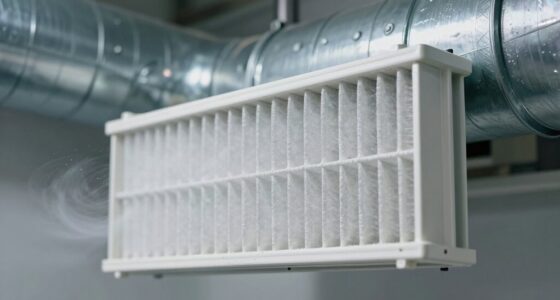
Return air is more important than many homeowners realize because it keeps the indoor air clean and helps your HVAC system work efficiently. Properly balanced return vents prevent dust, allergens, and pollutants from building up, which improves air quality. It also prevents your system from overworking, saving energy and extending its lifespan. If return air isn’t managed well, you may notice uneven temperatures and higher bills. Keep going to discover how proper return air management benefits your home even more.
Key Takeaways
- Proper return air flow maintains indoor air quality by removing dust, allergens, and pollutants effectively.
- Balanced return vents prevent system strain, improving HVAC efficiency and reducing energy costs.
- Inadequate return air causes negative pressure, allowing outdoor pollutants and unconditioned air to enter the home.
- Correct return vent placement ensures consistent temperature and comfort throughout the space.
- Poor return air management shortens HVAC system lifespan and increases maintenance needs.
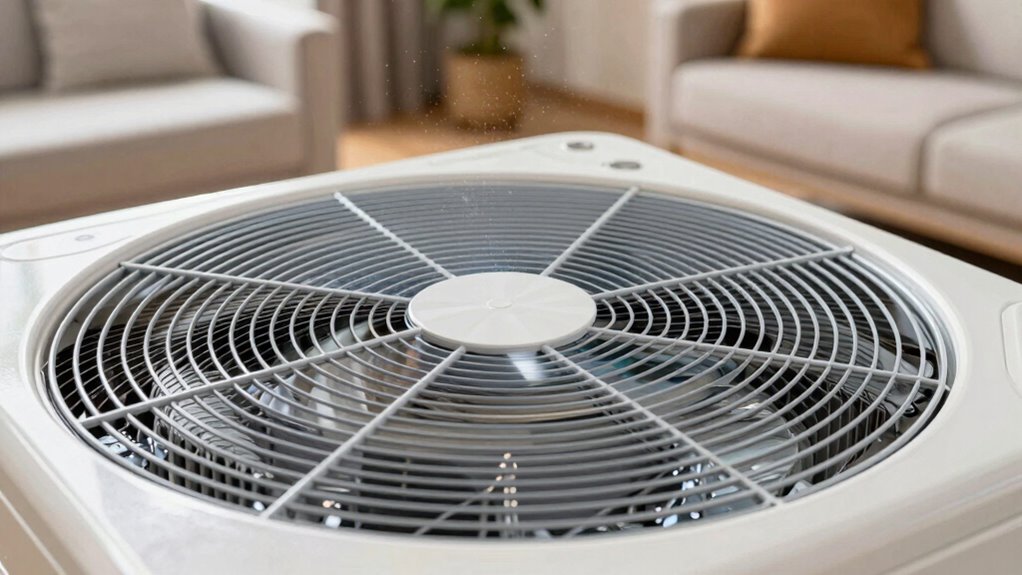
Have you ever wondered why proper return air flow is crucial for your HVAC system’s efficiency? The truth is, return air isn’t just a simple part of your system—it plays a fundamental role in maintaining good air quality and ensuring your system runs smoothly. When the return air isn’t properly circulated, the quality of air inside your home can suffer. Dust, allergens, and pollutants tend to build up if the airflow isn’t balanced correctly, which can lead to discomfort and health issues. Proper return air flow helps your system remove these contaminants efficiently, keeping the air fresher and healthier for you and your family.
Beyond health, return air has a significant impact on your system’s efficiency. If the return vents are blocked or the airflow is restricted, your HVAC unit has to work harder to maintain the desired temperature. This increased workload causes unnecessary wear and tear, leading to higher energy consumption and potentially costly repairs down the line. When return air flows freely, your system doesn’t have to strain to pull in air, which means it operates more efficiently and consumes less energy. This can translate into noticeable savings on your utility bills over time.
Many homeowners underestimate the importance of balanced return air, often focusing solely on supply vents. But if the return side is compromised—say, due to closed or blocked vents, or poorly placed return grilles—you’re likely to experience uneven temperature distribution and reduced system performance. It’s important to ensure that return vents are located in multiple areas of your home, allowing air to circulate properly. This setup promotes consistent air quality and prevents the system from short-cycling, which occurs when the system turns on and off frequently because it can’t reach the desired temperature efficiently. Properly managing air circulation is essential for optimal system operation. Additionally, understanding the role of air pressure balance can help homeowners prevent pressure imbalances that disrupt comfort and efficiency. Maintaining a balanced airflow throughout your home helps prevent pressure imbalances and enhances overall system performance, which can prolong the lifespan of your HVAC components.
Additionally, proper return air flow helps prevent pressure imbalances inside your home. Without enough return air, negative pressure can develop, pulling unconditioned air from gaps around windows and doors. This not only compromises comfort but also allows outdoor pollutants to enter, further affecting air quality. Ensuring good return air flow creates a balanced pressure environment, which supports better system efficiency and healthier indoor air.
In short, return air isn’t a minor detail; it’s a cornerstone of your HVAC system’s performance. Maintaining proper return airflow keeps your air quality high and your system running effectively, saving you money and improving your home’s comfort. It’s worth paying attention to how your return air is managed because its importance extends far beyond simple air circulation.

EZ-FLO 14 x 6 Inch (Duct Opening) Return Air Vent Cover for Wall or Ceiling, Solid Steel Return Air Grille, HVAC Vent Cover, White, 61628
WALL OR CEILING VENT: This rectangular return air grille is designed for a 14 in. x 6 in….
As an affiliate, we earn on qualifying purchases.
As an affiliate, we earn on qualifying purchases.
Frequently Asked Questions
Can Improper Return Air Affect Indoor Air Quality?
Yes, improper return air can negatively affect your indoor air quality. When air circulation isn’t balanced, it can cause contaminant buildup, trapping dust, allergens, and other pollutants inside your home. This can lead to stuffy air, allergies, and respiratory issues. Ensuring your return air system works properly helps maintain good airflow, reduces contaminant buildup, and keeps your indoor air fresh and healthy.
How Often Should Return Air Filters Be Replaced?
Think of your filters as the lungs of your HVAC system—they need regular care to breathe easy. You should replace your return air filters every 1 to 3 months, depending on filter lifespan and household conditions. Frequent replacement guarantees ideal airflow and indoor air quality, preventing dust buildup and system strain. Regularly changing filters keeps your home healthier and your system running smoothly, saving you money and headaches down the line.
Does Return Air Placement Influence Energy Efficiency?
Yes, return air placement considerably influences energy efficiency. Proper return air zoning guarantees balanced airflow, reducing strain on your HVAC system and lowering energy use. Good duct design directs return air efficiently back to the system, preventing leaks and hot or cold spots. When you optimize return air placement, you enhance overall system performance, save on energy costs, and maintain a more comfortable, consistent temperature throughout your home.
Can Return Air Issues Cause HVAC System Breakdowns?
Yes, return air issues can cause HVAC system breakdowns. Poor return air balance leads to uneven airflow, overworking the system and causing strain on components. If you neglect regular system maintenance, clogged filters or blocked vents can worsen these problems. Ensuring proper return air flow and routine maintenance helps prevent breakdowns, extending your system’s lifespan and maintaining efficient operation. Addressing return air concerns promptly keeps your HVAC running smoothly.
What Are Signs of Insufficient Return Air in a Home?
You might notice your home feels less comfortable, with uneven temperatures or lingering stuffiness—these are subtle signs of insufficient return air. When airflow balance is disrupted, your HVAC struggles to circulate air effectively, leading to potential strain. Poor return air can cause strange noises or increased energy bills. Keep an eye on these indicators; they often hint at a need to improve return air flow, ensuring your system runs smoothly.

Teak Isle Adjustable 24×24 Drop Ceiling Vent Cover – Office, Commercial & Home HVAC Air Vent Deflector, Airflow Control Panel Register AC Diffuser | Easy Tool-Free Install, Durable ABS, Made in USA
Adjustable Airflow Vent Cover – Extended control tab allows precise temperature and airflow control for individual workspaces in…
As an affiliate, we earn on qualifying purchases.
As an affiliate, we earn on qualifying purchases.
Conclusion
Remember, your return air isn’t just a quiet hero in the background—it’s the heartbeat of your home’s comfort. When it’s working properly, it’s like a loyal compass guiding your HVAC system to keep things cozy. Neglect it, and your system struggles, like a ship lost at sea. So, give your return air the attention it deserves, and let it be the steady drumbeat that keeps your home’s comfort perfectly in tune.
EZ-FLO 14 x 6 Inch (Duct Opening) Return Air Vent Cover for Wall or Ceiling, Solid Steel Return Air Grille, HVAC Vent Cover, White, 61628
WALL OR CEILING VENT: This rectangular return air grille is designed for a 14 in. x 6 in….
As an affiliate, we earn on qualifying purchases.
As an affiliate, we earn on qualifying purchases.
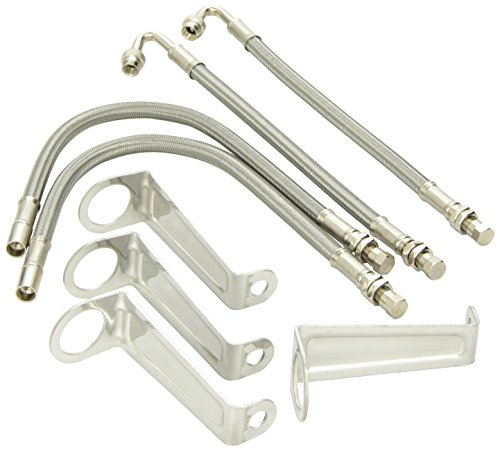
Phoenix USA AML1 Air Inflation Kit
Air Max braided stainless valve stem extensions for inner and outer rear wheels.
As an affiliate, we earn on qualifying purchases.
As an affiliate, we earn on qualifying purchases.