To keep your ERV or HRV system running smoothly, regularly check and replace filters every 3-6 months, and clean or vacuum the core to prevent mold. Inspect fans, belts, and motors for noise or wear, and clear dust buildup. Keep ducts and vents free of debris for proper airflow. Regularly verify settings and monitor system performance. Maintaining these simple steps will guarantee your ventilation system continues to provide healthy, efficient indoor air. Continue to explore for more helpful tips.
Key Takeaways
- Regularly inspect and replace or clean filters every 3-6 months to maintain airflow and indoor air quality.
- Clean the core components, including heat exchange cores, with gentle methods to prevent mold buildup.
- Ensure fans, motors, and belts are free of dust, properly lubricated, and in good condition for efficient operation.
- Keep ventilation ducts and exterior vents clear of obstructions to ensure proper airflow and system performance.
- Monitor system controls and settings regularly, and schedule professional inspections for comprehensive maintenance.

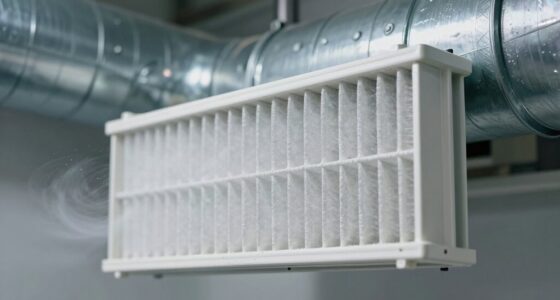
Maintaining your ERV (Energy Recovery Ventilator) or HRV (Heat Recovery Ventilator) is essential to guarantee they operate efficiently and provide fresh, healthy air for your home. These systems are crucial for indoor air quality, energy efficiency, and comfort, so regular upkeep is a must. The first step is to inspect the system’s filters. Over time, dust, pollen, and other airborne particles clog the filters, reducing airflow and efficiency. You should check them monthly and replace or clean them as recommended by the manufacturer, usually every three to six months. Using high-quality filters can extend their lifespan and improve air quality, so invest in filters suited for your system.
Next, focus on cleaning the core components of your ERV or HRV. The core is responsible for heat exchange, and dirt buildup can impair its function. Turn off the system before cleaning, then remove the core if possible. Gently vacuum or blow out dust and debris, making sure to avoid damaging the delicate fins. If the core is particularly dirty, you can wash it with mild soap and water, but ensure it’s completely dry before reinstalling. Regular cleaning prevents mold and bacteria growth, which can compromise indoor air quality and system performance.
Another critical maintenance task is inspecting the fans and motors. These moving parts are crucial for airflow, so listen for unusual noises or vibrations that could indicate a problem. Wipe down fan blades and motor components to remove dust buildup. Lubricate the motor bearings if your system’s manufacturer recommends it, but only use the specified lubricants. Check the fan belts for signs of wear and replace them if they’re cracked or frayed to prevent breakdowns.
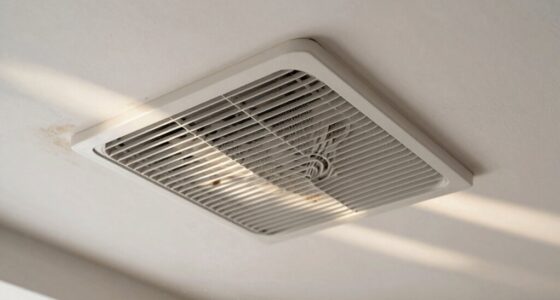
Ventilation ducts and exterior vents also demand attention. Clear any obstructions like leaves, dirt, or nests that could block airflow. Keep the intake and exhaust vents clean and free of debris to ensure proper air exchange. It’s a good idea to schedule an annual inspection by a professional, especially for complex systems, to catch any issues early and perform more thorough maintenance.
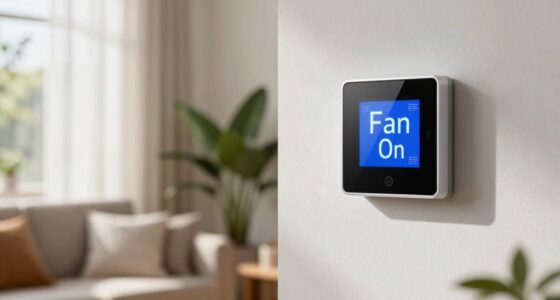
Finally, keep an eye on system controls and settings. Make sure the system is running according to your preferences and that any timers or sensors are functioning correctly. Regularly reviewing your system’s performance helps you spot inefficiencies or malfunctions before they become costly repairs. Additionally, understanding smart home integration options can allow you to monitor and control your ventilation system remotely for added convenience and efficiency. By consistently following these maintenance steps, you’ll ensure your ERV or HRV continues to operate at peak efficiency, providing fresh, healthy air and saving energy in the long run.
Amazon Product B0B723FQQ7
As an affiliate, we earn on qualifying purchases.
Frequently Asked Questions
How Often Should I Replace Erv/Hrv Filters?
You should replace your ERV/HRV filters every 3 to 6 months, depending on usage and indoor air quality. If you have pets, allergies, or live in a polluted area, consider changing them more frequently. Regular filter replacement keeps your system running efficiently, improves indoor air quality, and prevents dust buildup. Check your manufacturer’s recommendations, and make it a habit to inspect filters monthly to determine if they need replacing sooner.
Can I Clean the Heat Recovery Core Myself?
You can clean the heat recovery core yourself, but proceed carefully. Turn off the unit and disconnect power before starting. Remove the core following your manufacturer’s instructions, then gently vacuum or rinse it with water to remove dust and debris. Avoid using harsh chemicals or scrubbing, as this could damage the core. Allow it to dry completely before reinstalling and restoring power to guarantee peak performance and longevity.
What Are Signs My Erv/Hrv Needs Repairs?
When your ERV/HRV starts acting up, it’s like a breathless friend struggling to keep up. You might notice reduced airflow, strange noises, or a musty smell lingering in your home. If the unit’s filters are clogged or the motor sounds strained, it’s time to give it some attention. These signs point to the need for repairs—acting quickly keeps your home’s air fresh and your system humming smoothly.
Is Professional Maintenance Necessary for Optimal Performance?
Yes, professional maintenance is necessary to keep your ERV or HRV running at its best. Regular inspections and tune-ups ensure the system operates efficiently, improves indoor air quality, and prevents costly repairs down the line. A technician can identify issues early, clean filters, and calibrate components. Skipping professional service might save money short-term but can lead to decreased performance, higher energy bills, and potential system failure over time.
How Do I Troubleshoot Unusual Noises From My Unit?
To troubleshoot unusual noises from your ERV/HRV unit, first, identify where the sound is coming from. Check for loose or vibrating parts, like fan blades or duct connections. Turn off the unit and inspect for debris or obstructions. If the noise persists, it might be a motor issue or worn bearings. In that case, consult a professional to diagnose and fix the problem safely and effectively.
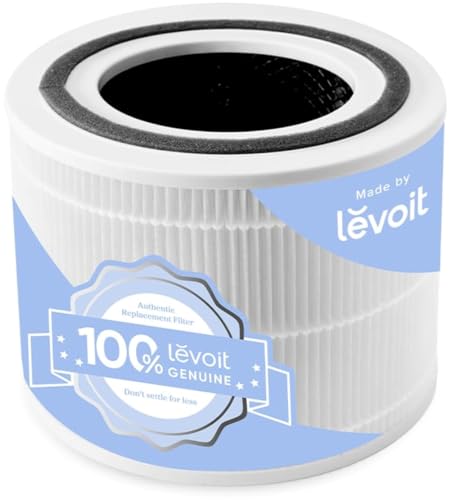
Levoit Core 300-P Air Purifier Genuine Replacement Filter, Core300S-P Filter, AHAM VERIFIDE, Supports HEPA Sleep Mode, High-Efficiency Activated Carbon, Removes Smoke Odor, Allergens,Core 300-RF,1Pack
𝐆𝐄𝐍𝐔𝐈𝐍𝐄 𝐑𝐄𝐏𝐋𝐀𝐂𝐄𝐌𝐄𝐍𝐓 𝐅𝐈𝐋𝐓𝐄𝐑: Designed specifically for the Core 300-P / Core 300S-P air purifiers to maintain its peak...
As an affiliate, we earn on qualifying purchases.
Conclusion
Regularly maintaining your ERV or HRV guarantees it operates efficiently and prolongs its lifespan. Did you know that poorly maintained systems can lose up to 20% of their effectiveness? By cleaning filters, inspecting ducts, and scheduling annual check-ups, you keep fresh air flowing and energy bills down. Staying proactive with maintenance not only safeguards your investment but also improves your indoor air quality, making your home healthier and more comfortable for years to come.

KNKA Air Purifier for Home Bedroom Large Room Up to 1,695 Ft² in 1 Hr, HEPA Sleep Mode Air Cleaner with Washable Pre-Filter, AHAM VERIFIDE, AQI Display, Pet Mode for Pets, Dust, Pollen, APH4000
𝐀𝐇𝐀𝐌 𝐕𝐞𝐫𝐢𝐟𝐢𝐞𝐝 & 𝐇𝐢𝐠𝐡 𝐂𝐀𝐃𝐑 𝐕𝐚𝐥𝐮𝐞: Certified by the Association of Home Appliance Manufacturers, this air purifier provides...
As an affiliate, we earn on qualifying purchases.

LEVOIT Air Purifier for Home Pets Hair Allergies in Bedroom, Covers Up to 1073 ft² by 56W High Torque Motor, AHAM VERIFIDE, 3-in-1 Filter with HEPA Sleep Mode, Remove Dust Smoke Odor, Core300-P, White
WHY CHOOSE AHAM VERIFIDE AIR PURIFIERS: AHAM (Association of Home Appliance Manufacturers) is an ANSI-accredited organization that sets...
As an affiliate, we earn on qualifying purchases.