
To improve your basement air quality, regularly inspect for signs of moisture or mold, and fix leaks promptly. Keep humidity levels below 50% using dehumidifiers and guarantee good ventilation with fans or vents. Seal concrete walls and floors to prevent water infiltration, and remove clutter to improve airflow. Use air purifiers to reduce airborne pollutants. By following these steps, you’ll create a healthier space—and if you keep exploring, you’ll discover even more ways to protect your home.
Open a free Amazon Business account
Business pricing, bulk buying and tax-exempt orders.
As an affiliate, we earn on qualifying purchases.
Key Takeaways
- Regularly inspect for mold, water leaks, and signs of moisture buildup to maintain air quality.
- Use dehumidifiers and ventilation systems to keep humidity below 50%.
- Seal concrete walls and floors with waterproof coatings to prevent moisture infiltration.
- Improve airflow with vents, exhaust fans, and by opening windows during dry weather.
- Conduct routine maintenance of gutters, drainage, and insulation to prevent long-term moisture issues.
Your basement can be a hidden source of indoor air quality issues if not properly maintained. Often, it’s the overlooked space that quietly affects the air you breathe throughout your home. To keep your basement healthy, you need to pay attention to mold prevention and ventilation strategies. Mold thrives in damp, poorly ventilated areas, so controlling moisture and airflow is essential. Start by inspecting your basement regularly for signs of mold, such as musty odors or discoloration on walls and ceilings. Address any leaks immediately and ensure that water doesn’t accumulate around foundation walls. Using a dehumidifier can *considerably* reduce humidity levels, making it harder for mold spores to settle and grow. Remember, mold prevention isn’t just about cleaning; it’s about creating an environment where mold can’t flourish. Additionally, monitoring indoor humidity levels helps maintain optimal conditions and prevent mold growth. Ventilation strategies are equally important. Without proper airflow, moisture lingers in the air, creating the perfect breeding ground for mold and other airborne pollutants. If your basement has windows, open them periodically to allow fresh air in, especially during dry weather. Installing vents or exhaust fans can help circulate air more effectively, pulling moist air out and replacing it with drier, cleaner air from the rest of your home. Consider using a ventilation system that includes a humidistat, which automatically regulates indoor humidity levels, maintaining them below 50%. This not only discourages mold growth but also improves overall air quality. If your basement is below ground level and tends to stay damp, sealing concrete walls and floors with waterproof paint or sealant can prevent moisture infiltration that fuels mold growth. Proper insulation is also crucial, as it helps control temperature fluctuations that can lead to condensation and mold development. When insulation is installed correctly, it reduces cold spots that might cause moisture to condense on walls. Regularly checking for signs of condensation or water stains can alert you to potential issues before they escalate. Keeping clutter to a minimum also improves airflow, preventing pockets of stagnant, humid air from forming. Employing air purification devices can further enhance indoor air quality by reducing airborne pollutants, including mold spores. Incorporating moisture meters into your maintenance routine can help detect hidden moisture problems early. Implementing preventative maintenance practices, such as inspecting gutters and drainage systems, can help divert water away from your foundation and reduce basement dampness. A well-ventilated and moisture-controlled environment can also be achieved through proper basement maintenance, which is essential for long-term health. Remember, a proactive approach—regular inspections, moisture control, and good ventilation—is your best defense against mold and poor air quality in your basement. By implementing these strategies, you’ll create a healthier environment that not only protects your home but also your family’s well-being.
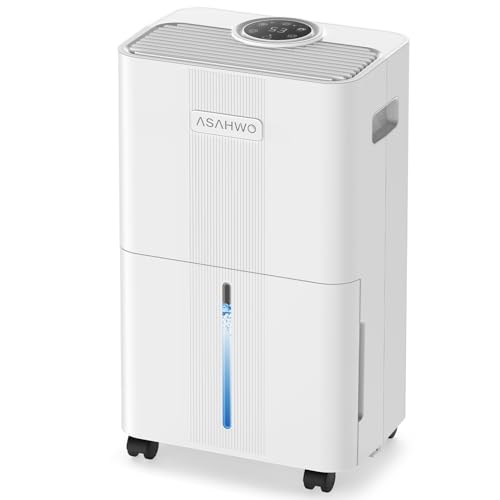
1600 Sq.ft Dehumidifier for Basement,21 Pints Dehumidifiers for Home with Drain Hose,3 Modes, 24H Timer,Washable Filter, Intelligent Humidistat for Bedroom, Bathroom, Large Room
- Coverage Area: Up to 1600 sq. ft.
- Moisture Removal: Removes 21 pints daily
- Adjustable Humidity: 30%–80% humidity range
As an affiliate, we earn on qualifying purchases.
As an affiliate, we earn on qualifying purchases.
Frequently Asked Questions
How Often Should I Check My Basement Air Quality?
You should check your basement air quality at least once a month to keep it fresh and safe. Keep an eye out for basement odor, which can signal poor air quality, and guarantee good air circulation to prevent mold and mustiness. Regular checks help you spot issues early, so you can improve ventilation or clean up odors promptly. Staying proactive keeps your basement healthy and comfortable for everyone.
What Are Signs of Poor Basement Ventilation?
If your basement’s air feels heavy or stuffy, it’s a sign your ventilation methods might need some attention. You could notice persistent odors, condensation on walls, or mold growth, all clues that air quality monitoring is revealing poor circulation. When these signs appear, improving ventilation—like opening windows, using exhaust fans, or installing air exchange systems—can help. Keep an eye on your air, and breathe easier with proper airflow.
Can Basement Air Issues Affect Indoor Allergy Symptoms?
Yes, basement air issues can affect your indoor allergy symptoms. Poor ventilation often traps airborne allergens like mold spores, dust, and pet dander, worsening allergy symptoms. High humidity levels promote mold growth, which aggravates allergies. By improving humidity control and increasing airflow, you can reduce airborne allergens, making your basement—and your entire home—more comfortable and healthier for allergy sufferers.
Are There Affordable Ways to Improve Basement Air Quality?
You can definitely improve your basement air quality affordably. Air purifiers help remove dust, mold spores, and pollutants, making the space healthier. Humidity control, through dehumidifiers or simple ventilation, prevents mold growth and dampness. These solutions are cost-effective and easy to implement, effectively reducing airborne allergens and humidity issues. Combined, they create a cleaner, healthier environment without breaking the bank.
How Do I Identify Hidden Mold in My Basement?
To identify hidden mold in your basement, look for signs like musty odors, discoloration, or water stains. Use moisture detection tools, such as a hygrometer or infrared camera, to find hidden moisture that fosters mold growth. Check behind walls, under flooring, and around pipes. If you notice persistent dampness or suspect mold, consider professional testing to confirm and address any hidden mold effectively.

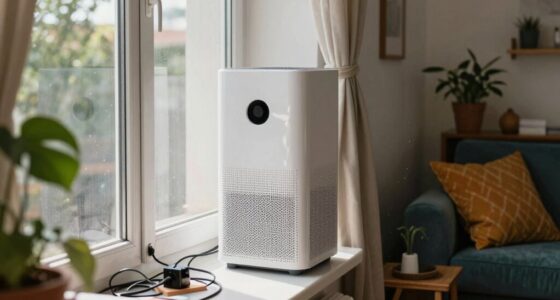
Afloia Air Purifier for Home Bedroom Large Room up to 1076 Sq Ft
- Rapid Air Purification: 4 air changes per hour for quick cleaning
- 3-Stage Advanced Filter: Removes pet dander, dust, pollen, odors
- Suitable for Large Spaces: Covers up to 1076 sq ft in one hour
As an affiliate, we earn on qualifying purchases.
As an affiliate, we earn on qualifying purchases.
Conclusion
By now, you’re armed with the essential basement air checklist to breathe easier in your home. Think of it as your secret weapon against hidden hazards—each item a shield guarding your health. Don’t let overlooked issues lurk in the shadows; instead, shine a light on your basement’s air quality. After all, a safe, fresh space isn’t just a goal—it’s the foundation of a healthier home. Are you ready to take that step?
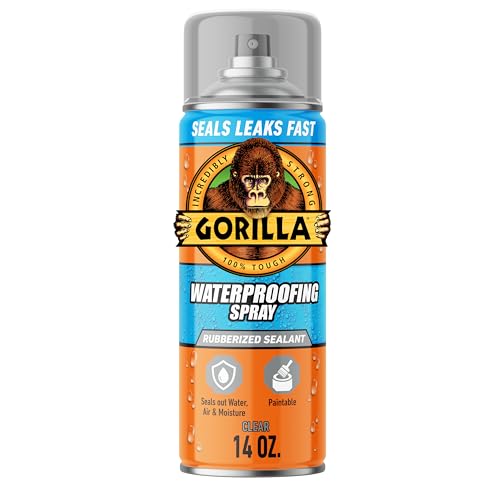
Gorilla Waterproofing Spray, Clear, Flexible Rubberized Sealant, 14 oz
- Waterproof Sealant: Seals out water, air, and moisture
- Easy Application: Controlled spray for even coating
- Self-Leveling Formula: Smoothly covers gaps and cracks
As an affiliate, we earn on qualifying purchases.
As an affiliate, we earn on qualifying purchases.

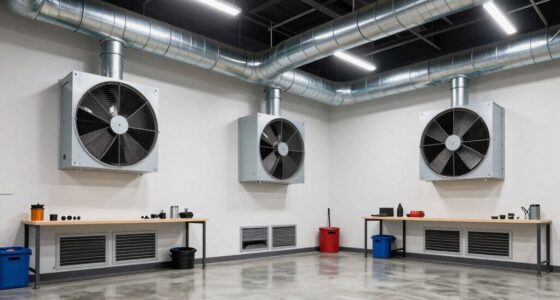
iLIVING 12" Wall Mounted Shutter Exhaust Fan, Automatic Shutter, with Thermostat and Variable Speed controller, 0.6A, 960 CFM, 1400 SQF Coverage Area Silver (ILG8SF12V-ST)
- High Airflow Capacity: 960 CFM for large spaces
- Automatic Shutter System: Ensures controlled ventilation
- Variable Speed & Thermostat: Adjusts airflow and temperature
As an affiliate, we earn on qualifying purchases.
As an affiliate, we earn on qualifying purchases.
Flea & tick season Picks
flea and tick prevention
As an affiliate, we earn on qualifying purchases.