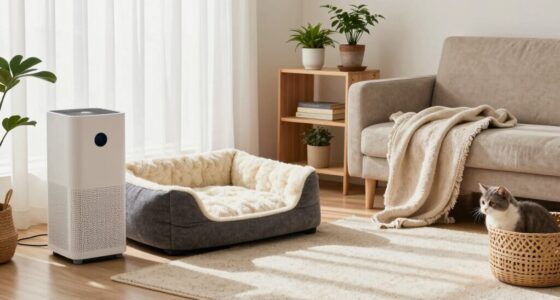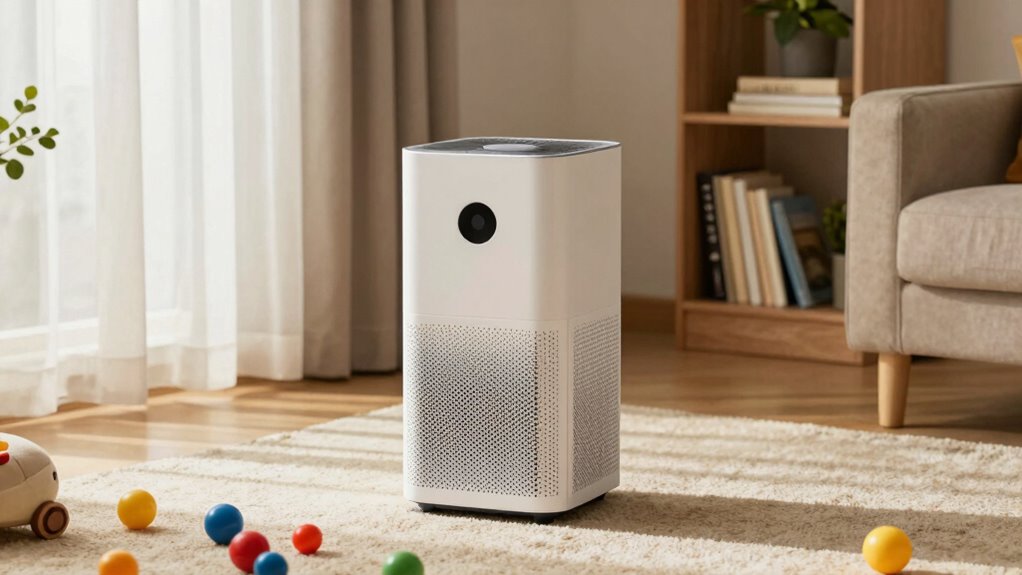

To get accurate air quality roundups, you need to take into account each room’s unique needs. Different spaces face different challenges, like moisture, dust, or pollutants from cooking or furniture. Ventilation efficiency varies too, affecting pollution removal. Using sensors helps you spot issues quickly and target specific problems. This focused approach leads to safer, cleaner air overall. Keep exploring to discover how tailoring your efforts can make a real difference indoors.

Get health and wellness essentials delivered free — and shop member deals
- Fast, free delivery on millions of items
- Access to Prime Big Deal Days deals on October 6–7
- Prime Video, Amazon Music and more included
Key Takeaways
- Room-specific data reveals unique air quality issues that broad assessments may overlook.
- Different rooms have varying ventilation needs, affecting pollutant removal effectiveness.
- Sensors placed in individual rooms provide precise insights for targeted air quality improvements.
- Tailoring air quality strategies to each space enhances health outcomes and environmental safety.
- A room-by-room approach ensures practical, sustainable solutions for cleaner indoor air.
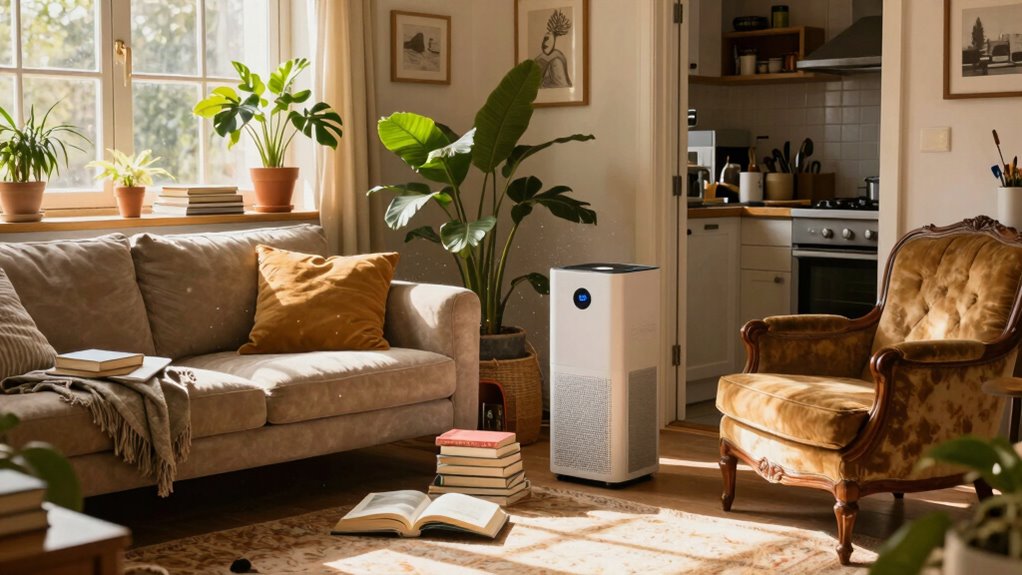
Creating a healthier indoor environment starts with understanding the unique air quality needs of each room in your home. When you assess your indoor air, you need to contemplate more than just overall cleanliness; you must recognize how different spaces impact your air quality. This is where room-by-room context becomes essential. Relying on broad, general air quality roundups might give you an overview, but they often miss the specifics that can make a real difference in your comfort and health. To truly improve your indoor air, you need detailed insights into each room’s ventilation efficiency and the role of air quality sensors.
Ventilation efficiency varies widely across different areas of your home. For example, a kitchen often struggles with excess moisture and airborne particles from cooking, while bedrooms may have issues with stale air or dust accumulation. By understanding the ventilation efficiency in each room, you can identify where airflow might be inadequate and take targeted action—like installing exhaust fans or improving window ventilation—to optimize air exchange. This guarantees that pollutants don’t linger, and fresh air circulates effectively. Without this room-specific focus, you risk addressing problems in a blanket way that may not resolve the root issues. Additionally, understanding the air exchange rate in each room helps you gauge how well your home circulates air over time.
Air quality sensors are invaluable tools in this process. They provide real-time data tailored to each space, revealing patterns and pinpointing sources of poor air quality. With sensors strategically placed in different rooms, you gain precise insights into pollutants, humidity levels, and particulate matter. This data allows you to make smarter decisions about when to ventilate, what filters to upgrade, or whether certain areas require additional air purification. Relying solely on general air quality reports or assumptions can lead to overlooking problem spots or wasting effort on areas that are already well-ventilated. Furthermore, sensor placement plays a crucial role in ensuring the accuracy and usefulness of this data. Proper placement techniques can significantly enhance the reliability of sensor readings and the effectiveness of your air quality management, especially when considering the specific needs of each room.
Additionally, understanding how air quality influences health in different spaces can guide your efforts in creating a safer indoor environment. When you combine information about ventilation efficiency with data from air quality sensors, you develop a nuanced understanding of your home’s air quality landscape. This detailed approach helps you prioritize improvements and implement solutions more effectively. For instance, if sensors reveal high levels of humidity in the basement, you can focus on increasing ventilation there, preventing mold growth and indoor pollutants. If certain rooms consistently show poor air quality, you can evaluate their ventilation systems or add air purifiers tailored to those spaces.
In the end, better air roundups aren’t just about collecting data—they’re about interpreting that data within context. Knowing the specific needs and conditions of each room allows you to create a healthier, more comfortable home environment. When you pay attention to ventilation efficiency and leverage air quality sensors, your efforts become more precise, impactful, and sustainable. This room-by-room approach transforms vague air quality concerns into actionable insights, leading to cleaner, fresher indoor air for everyone.
room-specific air quality sensors
As an affiliate, we earn on qualifying purchases.
As an affiliate, we earn on qualifying purchases.
Frequently Asked Questions
How Does Room Size Affect Air Quality Measurements?
Room size considerably impacts air quality measurements because larger spaces may require enhanced ventilation strategies to prevent pollutant buildup. Smaller rooms tend to trap pollutants and humidity, making it harder to maintain healthy air. You should adjust ventilation and humidity control based on room size, ensuring proper airflow and moisture regulation. This tailored approach improves indoor air quality, keeping your environment healthier and more comfortable.
What Specific Air Contaminants Should Be Prioritized in Each Room?
You should prioritize VOCs and formaldehyde in the living room, mold spores and dust mites in bedrooms, and VOCs plus cleaning chemicals in the kitchen. Indoor plants help reduce some contaminants, while air filtration systems target others effectively. By focusing on these specific pollutants in each room, you can improve overall air quality, creating a healthier environment and reducing allergy or respiratory issues.
How Often Should Room-Specific Air Assessments Be Conducted?
You should conduct room-specific air assessments at least every six months, especially if you have indoor plants or use air filtration systems. Regular checks help you identify new contaminants and evaluate filter effectiveness. If you notice unusual odors or allergy symptoms, increase assessments to every three months. Incorporating indoor plants and maintaining proper air filtration can improve air quality, but regular assessments guarantee every room stays healthy and safe.
Can Room Layout Influence Air Circulation and Pollutant Distribution?
Like a master painter shaping their canvas, your room layout influences ventilation patterns and pollutant sources. It directs air flow, either dispersing pollutants or trapping them. Strategic arrangement of furniture and vents can enhance circulation, reducing pollutant buildup. Conversely, cluttered spaces hinder airflow, leading to uneven pollutant distribution. Understanding your room’s layout helps optimize air quality, ensuring cleaner, healthier environments by controlling how pollutants spread throughout your space.
What Tools Are Best for Detailed Room-By-Room Air Analysis?
You should use tools like portable air quality monitors and advanced HVAC system analyzers for detailed room-by-room air analysis. Incorporate indoor plants to naturally improve air filtration and enhance pollutant removal. These devices help you identify specific issues like high VOCs or particulate levels, allowing you to optimize airflow and filtration strategies. Combining technological tools with natural solutions provides a thorough understanding of each room’s air quality.
ventilation fans for kitchen and bedrooms
As an affiliate, we earn on qualifying purchases.
As an affiliate, we earn on qualifying purchases.
Conclusion
Remember, a well-informed approach is your best defense. By considering each room’s unique air quality needs, you can make smarter choices and create a healthier home environment. Don’t overlook the details—every space matters. As the saying goes, “A chain is only as strong as its weakest link.” Pay attention to every room’s air, and you’ll build a safer, fresher home for everyone inside.
air purifiers with room-specific modes
As an affiliate, we earn on qualifying purchases.
As an affiliate, we earn on qualifying purchases.
air quality monitor for indoor use
As an affiliate, we earn on qualifying purchases.
As an affiliate, we earn on qualifying purchases.
Fall Picks
fall essentials
As an affiliate, we earn on qualifying purchases.