To create a low-drama kid’s room setup, focus on reducing common allergens like dust mites, pet dander, mold, and pollen. Wash bedding weekly, keep pets out or create pet-free zones, and use HEPA-filter vacuums and air purifiers. Keep the room dry and well-ventilated to prevent mold growth, and close windows during high pollen seasons. Small, consistent steps can make a big difference—continue to explore simple strategies to keep your child’s space healthier and calmer.

Get health and wellness essentials delivered free — and shop member deals
- Fast, free delivery on millions of items
- Access to Prime Big Deal Days deals on October 6–7
- Prime Video, Amazon Music and more included
Key Takeaways
- Wash bedding weekly in hot water and use allergen-proof covers on pillows and mattresses.
- Keep pets out of the child’s room and create pet-free zones to reduce dander.
- Use a HEPA filter vacuum and dust surfaces regularly to minimize dust mite buildup.
- Maintain low humidity with dehumidifiers and fix leaks to prevent mold growth.
- Keep windows closed during high pollen seasons and use HEPA air purifiers to improve indoor air quality.

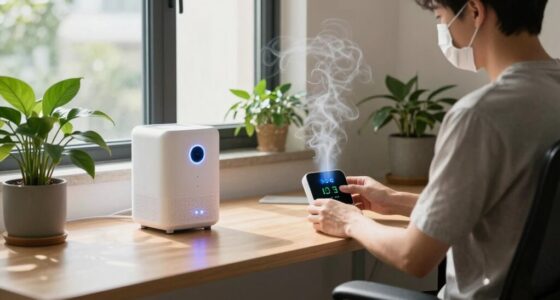
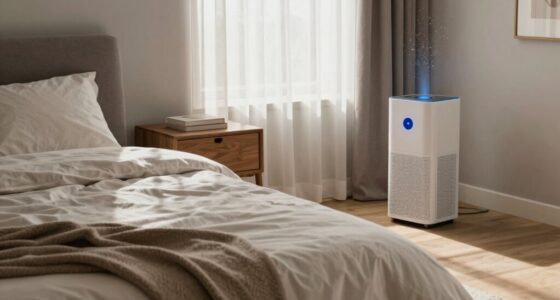
Kids spend a lot of time in their rooms, making it important to understand the allergens lurking there. These allergens can sneaky and often invisible, but they have the power to affect your child’s health and comfort. The good news is, with some simple awareness and routine cleaning, you can reduce their presence and create a safer environment. Start by paying attention to common sources like dust mites, pet dander, mold, and pollen. Dust mites thrive in bedding, pillows, and stuffed animals. They’re tiny creatures that feed on dead skin cells, and their waste can trigger allergies and asthma symptoms. To keep them at bay, wash bedding weekly in hot water, and consider using allergen-proof covers for pillows and mattresses. Regularly vacuum carpets and upholstery with a HEPA filter vacuum, and don’t forget to dust surfaces often. Pet dander can also be a major allergen, especially if your child’s room has a pet or if pets frequently visit. If possible, keep pets out of the bedroom altogether. If that’s not feasible, create pet-free zones and bathe pets regularly to minimize dander. Air purifiers equipped with HEPA filters can help trap airborne allergens, making the room cleaner and easier to breathe. Mold is another sneaky allergen that loves damp, poorly ventilated spaces. Check for signs of mold growth on walls, ceilings, or around windows, particularly in high-humidity areas. Keep the room dry by using dehumidifiers if necessary, and fix any leaks promptly. Regularly cleaning and wiping down surfaces helps prevent mold spores from settling and multiplying. Pollen, although often associated with outdoor allergies, can find its way inside through open windows and doors. Keep windows closed during high pollen seasons, and use filters on air vents. Changing filters in your HVAC system regularly ensures that indoor air remains as pollen-free as possible. You should also be mindful of clutter and unnecessary items, which can trap dust and allergens. Simplify your child’s space by keeping it tidy and clutter-free, making cleaning easier and reducing allergen buildup. Being aware of indoor allergen sources and taking proactive steps can make a significant difference. Ultimately, understanding these common indoor allergens and taking proactive steps can make a significant difference. You don’t need to overhaul the entire room overnight—small, consistent changes can create a healthier space. By doing so, you help your child breathe easier, sleep better, and enjoy their room without worry. Creating a low-drama, allergen-minimized environment isn’t about perfection; it’s about making smart choices that promote comfort and health every day.
HEPA air purifier for kids' room
As an affiliate, we earn on qualifying purchases.
As an affiliate, we earn on qualifying purchases.
Frequently Asked Questions
How Often Should I Replace My Child’s Bedding to Reduce Allergens?
You should replace your child’s bedding at least once a week to reduce allergens effectively. Regular washing helps eliminate dust mites, pet dander, and other irritants that can trigger allergies or asthma. Use hot water, ideally around 130°F (54°C), and dry on high heat. Additionally, consider using allergen-proof covers on pillows and mattresses, and encourage your child to keep their room tidy for better air quality.
Are Air Purifiers Effective in Allergen Reduction in Kids’ Rooms?
Air purifiers can be effective in reducing allergens in your kid’s room, especially if you choose a HEPA filter model. They capture dust, pollen, pet dander, and other particles, improving air quality. Make certain to run the purifier continuously and keep doors and windows closed during use. Regular maintenance, like changing filters, ensures it works efficiently. Combined with frequent cleaning, an air purifier helps create a healthier environment for your child.
Can Natural Remedies Help Alleviate Allergy Symptoms Caused by Room Allergens?
Natural remedies can offer some relief, but they’re not a replacement for proven allergy treatments. While options like honey, herbal teas, or nasal rinses might soothe symptoms, they don’t eliminate allergens. You should combine these with effective strategies like regular cleaning, air purifiers, and allergen-proof bedding. This balanced approach maximizes relief, ensuring your child’s comfort without relying solely on natural remedies.
What Are the Signs My Child Is Allergic to Their Room Environment?
You’ll notice your child sneezing frequently, rubbing their eyes, or experiencing a runny nose. They might also have coughing, wheezing, or skin irritations like rashes or eczema. Watch for persistent congestion or difficulty breathing, especially after spending time in their room. If these symptoms worsen at night or after cleaning, it’s a sign the environment may contain allergens like dust mites, mold, or pet dander.
How Do I Identify Hidden Sources of Allergens in a Child’s Room?
You can identify hidden allergens in your child’s room by thoroughly inspecting common trouble spots. Check for dust buildup inside stuffed animals, behind furniture, and inside vents. Look for mold around windows and in damp areas. Remove old carpets or curtains that trap allergens. Use a HEPA filter and consider allergy testing for your child. Regular cleaning and ventilation help reveal and reduce these hidden sources effectively.
allergen-proof pillow and mattress covers
As an affiliate, we earn on qualifying purchases.
As an affiliate, we earn on qualifying purchases.
Conclusion
So, as you tidy up your child’s room, you might notice that a simple change—like switching out old bedding—coincides with your little one’s allergy symptoms easing. Sometimes, it’s the small, unexpected tweaks that make the biggest difference. By staying mindful of allergens and making those subtle adjustments, you create a healthier space without much fuss. After all, life’s little coincidences often remind us that caring for tiny details can lead to big comfort.
As an affiliate, we earn on qualifying purchases.
As an affiliate, we earn on qualifying purchases.
Fall Picks
fall essentials
As an affiliate, we earn on qualifying purchases.