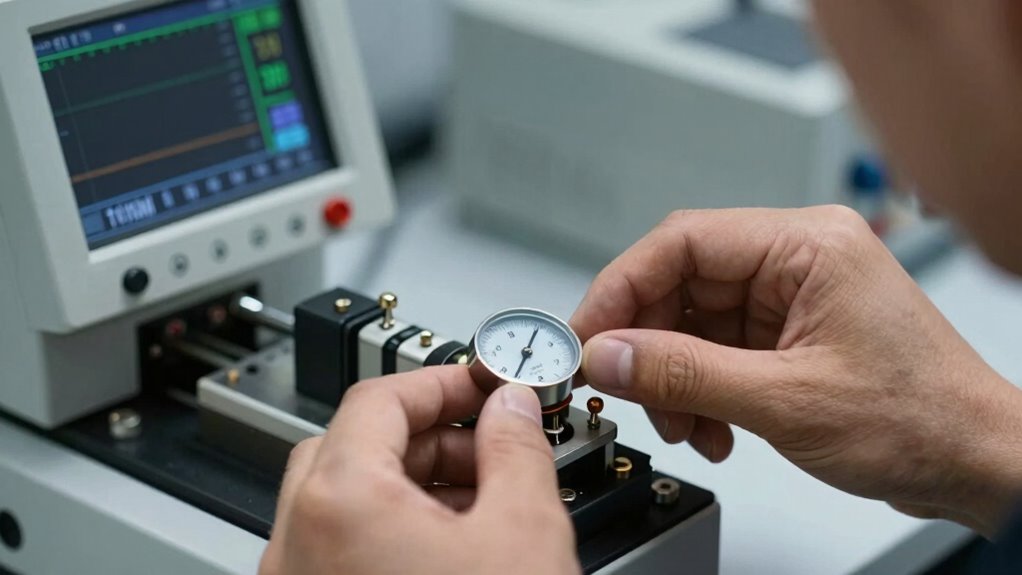

Understanding calibration awareness helps you catch issues early, preventing costly errors and saving you frustration. When you’re aware of how calibration impacts measurement accuracy, you’ll know when tools need adjustment or maintenance. This proactive approach keeps your data reliable and workflows smooth, avoiding delays and rework. Staying on top of calibration routines also extends your equipment’s life. If you want to discover more ways to keep your measurements accurate and stress-free, keep exploring this topic.
Key Takeaways
- Prevents measurement errors that can lead to costly rework and delays.
- Detects calibration issues early, reducing downtime and avoiding frustration.
- Ensures consistent, reliable results, minimizing uncertainty and confusion.
- Promotes proactive maintenance, avoiding sudden equipment failures.
- Cultivates confidence in measurement accuracy, reducing stress and errors.
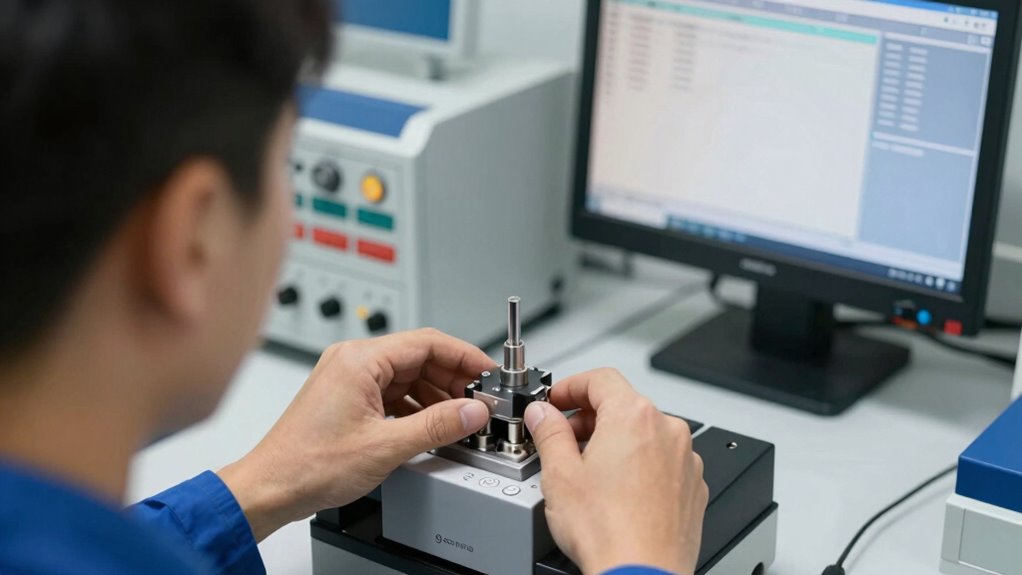
Calibration awareness is essential for guaranteeing your measurement tools deliver accurate and reliable results. When you understand the importance of proper calibration, you’re better equipped to maintain sensor accuracy over time. Sensors are the backbone of many industrial, scientific, and even everyday measurement tasks, and their precision directly impacts the quality of your work. Without regular calibration, sensors can drift from their peak performance, leading to inaccurate data, flawed conclusions, and ultimately, frustration. Recognizing the signs of calibration issues early can save you from costly mistakes and repeated efforts.
Calibration awareness ensures accurate measurements, prevents errors, and maintains sensor reliability over time.
Implementing routine maintenance routines is critical for preserving sensor accuracy. When you establish a consistent calibration schedule, you prevent errors before they escalate. Regular checks ensure your sensors stay within their specified tolerances, reducing the risk of measurement deviations. This proactive approach means you won’t be caught off guard by unexpected inaccuracies, which can disrupt your workflow or compromise your results. Maintenance routines might include calibration against known standards, cleaning sensors to prevent contamination, and verifying readings with control samples. These small steps, performed routinely, keep your equipment functioning at their best and extend its lifespan. Additionally, understanding the importance of calibration helps you optimize your measurement processes and avoid unnecessary replacements. Recognizing the potential consequences of calibration drift enables you to address issues proactively and maintain high standards of accuracy. Being aware of the signs of calibration issues allows for early detection and correction, minimizing downtime and ensuring continuous reliability. Incorporating proper calibration procedures into your routine can further improve overall measurement consistency. Moreover, staying informed about calibration best practices**** can help you adapt to evolving technologies and standards, ensuring consistent performance over time.
Understanding the importance of calibration awareness also helps you troubleshoot issues more effectively. When a measurement seems off, you’ll be better positioned to identify whether the problem stems from sensor drift, environmental factors, or improper maintenance. This knowledge allows you to take targeted action rather than guessing or wasting time on unnecessary adjustments. Additionally, staying informed about calibration best practices and manufacturer recommendations ensures your tools perform at their best, reducing the likelihood of errors caused by neglect or improper handling.
Moreover, calibration awareness fosters a culture of precision and accountability. When everyone involved in measurements understands why regular calibration matters, it encourages adherence to established routines. This collective effort minimizes variability and enhances consistency across your processes. Over time, this consistency translates into higher quality data, more reliable results, and less frustration caused by discrepancies or rework. Ultimately, understanding calibration’s role in maintaining sensor accuracy empowers you to take control of your measurement systems, avoiding the pitfalls of neglect and guaranteeing your work remains accurate and trustworthy.

HM Digital C342 TDS and EC Calibration Solution, 342 ppm (NaCl), 90 ml Volume, Transparent/Blue
NaCl calibration solution, available in 342 ppm or 1000 ppm
As an affiliate, we earn on qualifying purchases.
As an affiliate, we earn on qualifying purchases.
Frequently Asked Questions
How Often Should Calibration Be Performed for Optimal Accuracy?
You should perform calibration regularly, typically based on the device’s calibration frequency recommendations, to guarantee peak measurement precision. For most instruments, this means calibrating at least once a month or after any significant impact or environmental change. Consistent calibration helps maintain accuracy, reduces errors, and saves frustration. Keep track of calibration schedules and follow manufacturer guidelines to ensure your measurements stay precise and reliable over time.
What Tools Are Necessary for Proper Calibration?
You need calibration standards like certified weights, reference gauges, or software tools to guarantee measurement precision. These tools help you compare your equipment’s readings against known benchmarks, maintaining accuracy. A calibration device or instrument specific to your measurement needs is crucial. Regularly using these tools guarantees your equipment stays reliable, preventing errors and frustrations. Proper calibration tools are essential for consistent, precise results and maintaining confidence in your measurements.
Can Calibration Errors Affect Product Quality?
Yes, calibration errors can considerably affect product quality. When sensors experience drift over time, measurement accuracy declines, leading to inconsistent results. You might notice variations in your product’s specifications or performance, which could cause rework or rejects. Regular calibration helps you catch and correct sensor drift early, ensuring measurement accuracy stays high. This proactive approach prevents errors that compromise quality, saving you time, money, and customer dissatisfaction.
Who Should Be Responsible for Calibration in a Team?
You should be responsible for calibration in your team, ideally with clear roles defined through team training. Think of calibration like tuning a musical instrument—everyone needs to be in sync. Proper calibration documentation helps keep everyone accountable and consistent. I once saw a team where only one person handled calibration, but due to training gaps, errors slipped in. Shared responsibility with documentation keeps quality high and frustration low.
What Are the Costs Associated With Calibration Mistakes?
Calibration mistakes can lead to costly errors, product rework, and increased downtime. Falling for calibration myths might make you underestimate these risks or delay necessary adjustments. By prioritizing accurate calibration, you actively contribute to cost reduction, avoiding the expenses associated with faulty measurements. Staying aware of calibration importance helps you prevent mistakes, ensuring smooth operations and saving your team from unnecessary financial setbacks.

MSA 10110489 Altair 4X Multigas Detector & Calibration Kit + Pump Probe
Extended Sensor Life: Features an impressive four-year sensor life that outlasts standard industry expectations by 60%, reducing maintenance…
As an affiliate, we earn on qualifying purchases.
As an affiliate, we earn on qualifying purchases.
Conclusion
Staying aware of calibration keeps you from hitting a brick wall down the road. When you understand how and why calibration matters, you avoid unnecessary headaches, saving time and frustration. Think of it as keeping your tools sharp—you’re always ready when the moment counts. So, don’t wait until things go haywire. Embrace calibration awareness now, and you’ll find that smooth sailing becomes the rule, not the exception. Better safe than sorry, after all.

7 PCS Calibration Weights, Scale Weight Set 1g 2g 5g 10g 20g 50g 100g, Carbon Steel Small Weight for Digital Scale, Gram Scale Balance, Jewelry Scale (Silver)
WEIGH SCALES CALIBRATION: 7 PCS of calibration weights include 1g, 2g, 5g, 10g, 20g, 50g, 100g, a total…
As an affiliate, we earn on qualifying purchases.
As an affiliate, we earn on qualifying purchases.
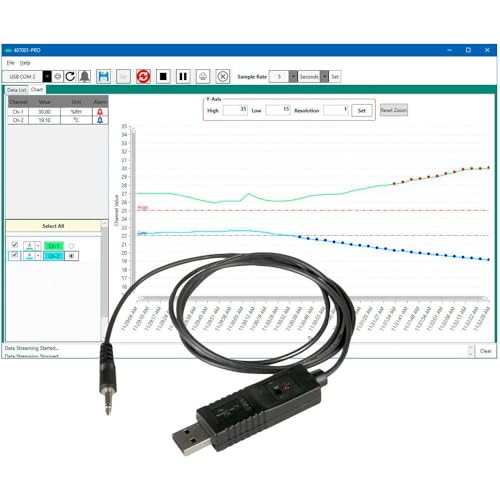
Extech 407001-PRO Data Acquisition Software and USB Cable
Precision source and measure for thermocouple, mA, mV, and V devices
As an affiliate, we earn on qualifying purchases.
As an affiliate, we earn on qualifying purchases.