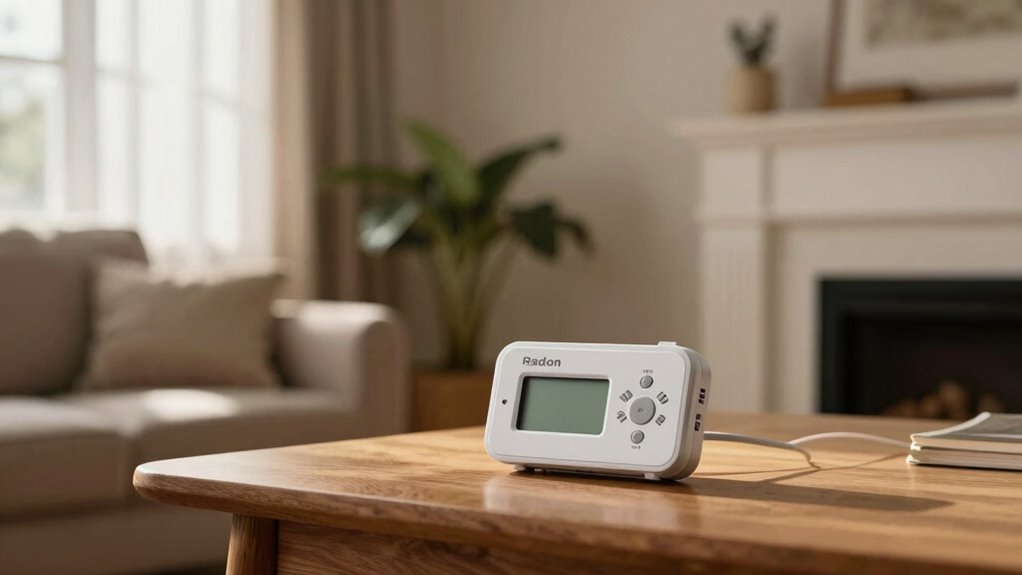

Radon is an invisible, odorless gas that forms naturally from uranium decay in soil and water, so you can’t detect it without testing. It can seep into your home through cracks in foundations and accumulate, especially in basements. Long-term exposure increases your risk of lung cancer, making testing essential. Installing mitigation systems can reduce levels to keep your indoor air safe. Want to find out how to protect your home and family? Keep going for more details.

Get health and wellness essentials delivered free — and shop member deals
- Fast, free delivery on millions of items
- Access to Prime Big Deal Days deals on October 6–7
- Prime Video, Amazon Music and more included
Key Takeaways
- Radon is a colorless, odorless gas that naturally forms from uranium decay in soil and water.
- It enters buildings mainly through foundation cracks and gaps, accumulating in enclosed spaces.
- Radon exposure increases lung cancer risk, especially with long-term inhalation, making it a serious indoor air concern.
- Testing with specialized kits is the only way to detect radon levels, as it cannot be sensed by smell or sight.
- Mitigation systems like soil suction and ventilation effectively reduce radon levels and protect health.

Have you ever wondered what radon is and why it matters? Radon is a colorless, odorless, and tasteless gas that naturally forms when uranium breaks down in soil, rock, and water. Because you can’t see or smell it, many people go about their daily lives unaware of the danger lurking in their homes. Despite its invisibility, radon is a serious health risk, and understanding its basics is *essential* for protecting yourself and your family.
Radon enters buildings primarily through cracks and gaps in foundations, floors, and walls. It can also seep in through well water and other sources. Once inside, it tends to accumulate, especially in enclosed spaces like basements and lower levels. The concentration of radon can vary greatly from one home to another, even in the same neighborhood, because of differences in construction, ventilation, and soil composition. Because it’s naturally occurring, radon is present almost everywhere—no location is completely free of it.
The danger of radon lies in its radioactive properties. When you breathe in radon gas, you’re also inhaling radioactive particles that can lodge deep within your lungs. Over time, this exposure can damage lung tissue and increase your risk of developing lung cancer. In fact, radon is considered the second leading cause of lung cancer after smoking. The risk is especially high for smokers because their lungs are already compromised, making the combined effects more dangerous. However, even non-smokers aren’t immune; long-term exposure to elevated radon levels can still pose a *considerable* health threat.
Testing is the only reliable way to determine if your indoor air contains dangerous radon levels. Since you can’t detect radon with your senses, you need specialized testing kits—either short-term tests that run for a few days or long-term tests that measure levels over several months. Both methods are affordable and straightforward. Regular testing is important because radon levels can fluctuate based on weather, seasons, and changes in your home’s structure or ventilation.
If testing reveals high radon levels—typically above the EPA’s recommended action level of 4 picocuries per liter—it’s essential to take corrective measures. Installing a radon mitigation system, such as soil suction or ventilation improvements, can *substantially* reduce indoor radon levels. These solutions are effective, affordable, and can be installed by professionals. Addressing radon is an investment in your health, helping you breathe easier and lowering your risk of lung cancer.
As an affiliate, we earn on qualifying purchases.
Frequently Asked Questions
How Does Radon Enter Homes Naturally?
Radon enters your home naturally through the soil and rocks beneath it, seeping in through cracks, gaps, and openings in the foundation. As radon gas rises from the ground, it can infiltrate your living spaces if your home isn’t properly sealed. You might not see or smell it, but it can build up indoors over time, posing health risks without your knowing.
Are Certain Geographic Areas More Prone to Radon Issues?
Yes, certain geographic areas are more prone to radon issues. You’ll find higher radon levels in regions with uranium-rich soil and granite bedrock, such as parts of the Midwest, Northeast, and Appalachian Mountains. If you live in these areas, you should consider testing your home regularly. Local health departments often provide resources and guidance to help you reduce radon levels and protect your family’s health.
What Is the Safe Level of Radon in Indoor Air?
Think of radon levels as a silent tide—dangerous even when unseen. The EPA recommends keeping indoor radon levels below 4 picocuries per liter (pCi/L). If your home exceeds this, you should take action to reduce it. Regular testing is essential because radon is invisible and odorless. By maintaining levels under 4 pCi/L, you protect your family from the health risks associated with prolonged exposure.
Can Radon Levels Vary Seasonally or Daily?
Yes, radon levels can vary daily and seasonally. You might notice higher readings during colder months when homes are sealed tighter to retain heat, trapping radon inside. Conversely, in warmer months, increased ventilation can lower radon levels. Weather changes, such as storms or heavy winds, can also influence radon concentrations. To get an accurate reading, it’s best to test your home over several days and different seasons.
What Are the Costs Associated With Radon Mitigation?
If you find radon levels are high in your home, mitigation costs typically range from $800 to $2,500. For example, a homeowner in Ohio spent about $1,200 to install a vent fan and sealing system that reduced radon to safe levels. These costs cover equipment, labor, and testing. Investing in mitigation not only protects your health but can also increase your home’s value and reduce future healthcare expenses.
As an affiliate, we earn on qualifying purchases.
Conclusion
Remember, radon is an invisible threat that’s responsible for about 21,000 lung cancer deaths each year. Since you can’t smell or see it, testing your home is the only way to know if radon levels are safe. Taking action by testing and fixing high radon levels can profoundly reduce your risk. Don’t wait—protect your family’s health today, because awareness and prevention are your best defenses against this silent indoor air hazard.
As an affiliate, we earn on qualifying purchases.
As an affiliate, we earn on qualifying purchases.
Fall Picks
fall essentials
As an affiliate, we earn on qualifying purchases.