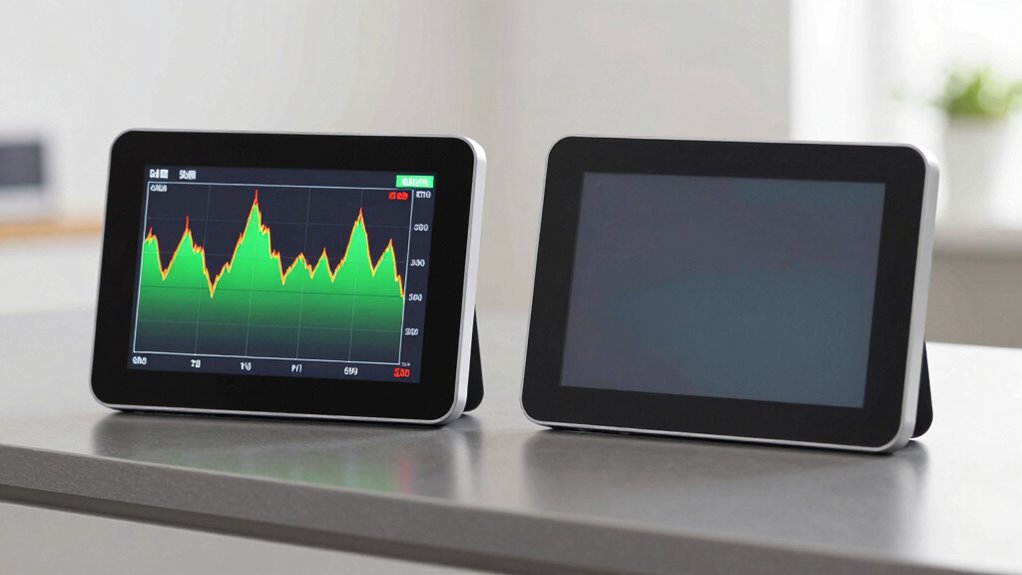

You may notice air quality monitors often give conflicting readings because of several key reasons. Variations in sensor calibration, environmental influences like humidity or temperature, and different measurement techniques all affect accuracy. Device placement also plays a role, especially if near pollution sources or not properly positioned. Additionally, proprietary algorithms interpret sensor data differently. Understanding these factors helps explain the discrepancies, and if you look further, you’ll discover ways to improve your air quality monitoring.

Get health and wellness essentials delivered free with Prime
- Fast, free delivery on millions of items
- Prime Video, Amazon Music and more included
- Member-only deals all year
Key Takeaways
- Variations in sensor calibration and drift cause inconsistent pollutant measurements over time.
- Differences in device algorithms and measurement techniques lead to conflicting data interpretations.
- Environmental factors like humidity, temperature, and placement impact sensor accuracy and readings.
- Proprietary filtering and data processing methods contribute to discrepancies between monitors.
- Sensor aging and environmental exposure degrade performance, affecting measurement reliability.
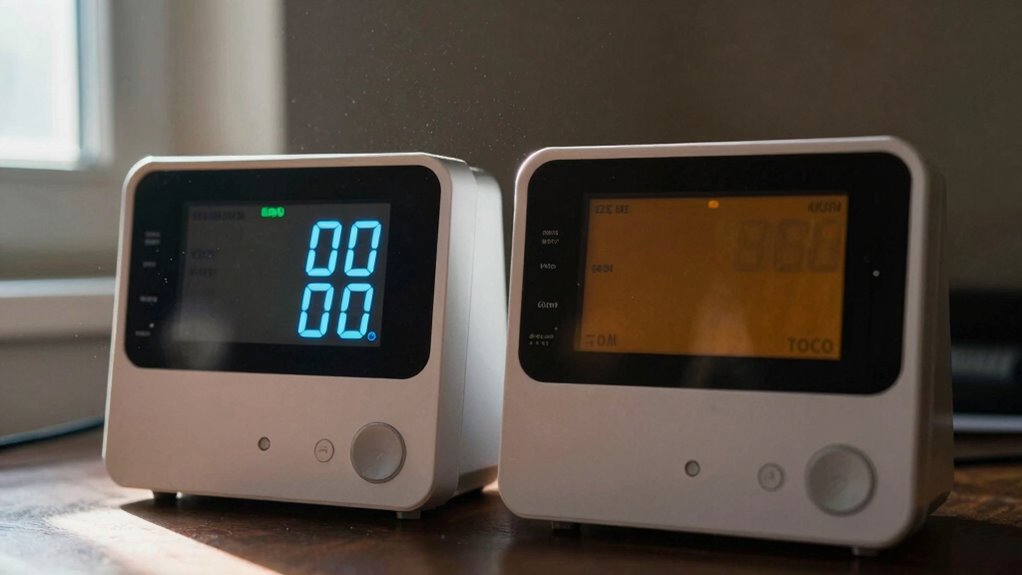
Air quality monitors are supposed to provide reliable data, but lately, you’ve probably noticed discrepancies between different devices. These inconsistencies can be frustrating, especially when you’re trying to assess your environment accurately. One of the main reasons for these disagreements is the issue of sensor calibration. Over time, sensors in air quality monitors can drift from their original settings, leading to inaccurate readings. If a device isn’t regularly calibrated, its measurements may become unreliable, causing different monitors to display varying levels of pollutants or particulates in the same environment. Calibration ensures that sensors respond correctly to actual pollutant concentrations, but many consumer-grade monitors lack easy calibration options or don’t calibrate automatically. As a result, even small calibration errors can compound, making your data inconsistent across different devices. Additionally, sensor drift can occur due to environmental exposure or aging, further impacting accuracy. Environmental factors, such as exposure to sunlight or dust, can also affect sensor longevity and performance over time.
Another significant factor is data interpretation, which can vary widely depending on the device’s design, algorithms, and display methods. Different monitors may use distinct sensors, measurement techniques, or filtering processes, all of which influence how raw data is processed and presented. Some devices might prioritize detecting specific pollutants over others, or they might use proprietary algorithms that interpret sensor signals differently. This variation means that two monitors placed side by side could report different air quality levels, even if they’re measuring the same environment. Plus, the way data is displayed—such as averaging periods, units, or alerts—can influence how you perceive the air quality, leading to confusion or misjudgment. Recognizing the impact of **measurement techniques** can help you better understand these differences.
Environmental factors also contribute to discrepancies. Temperature, humidity, and even electromagnetic interference can affect sensor readings. For instance, high humidity levels may cause certain sensors to overestimate pollutant levels or produce false positives. If a monitor isn’t equipped to compensate for such conditions, its readings could be skewed, contrasting sharply with a device that accounts for environmental variables. Additionally, placement matters. Devices located near windows, vents, or sources of pollution might register higher levels than those placed in more protected spots, further complicating data comparison. Proper placement and environmental compensation features are crucial for more consistent readings.
In essence, these issues—sensor calibration, data interpretation, environmental influences, and placement—combine to create a landscape where air quality monitors can give conflicting results. Understanding these factors helps you interpret data more critically and recognize the limitations of your devices. It’s not just about trusting a single reading; it’s about knowing how and why different monitors might tell different stories about the air you breathe.
air quality monitor calibration kit
As an affiliate, we earn on qualifying purchases.
As an affiliate, we earn on qualifying purchases.
Frequently Asked Questions
How Do Calibration Differences Affect Monitor Accuracy?
Calibration differences directly impact your air quality monitor’s accuracy, especially when sensor drift occurs over time. If monitors aren’t calibrated with consistent standards, readings can become unreliable, leading to inaccuracies. Regular calibration using recognized calibration standards helps correct sensor drift, ensuring your device provides precise data. Without proper calibration, your monitor may underestimate or overestimate pollutants, compromising your ability to make informed decisions about air quality and safety.
Can Environmental Factors Cause Inconsistent Readings?
Yes, environmental factors like indoor airflow and temperature fluctuations can cause inconsistent readings. When airflow is strong or uneven, sensors might not get an accurate sample, leading to fluctuating data. Temperature changes can affect sensor sensitivity, causing readings to vary even if pollutant levels stay the same. You should monitor these conditions and guarantee your air quality monitor is placed in a stable environment for more reliable results.
Do Different Brands Use Comparable Sensor Technologies?
Different brands often use varying sensor technologies, leading to inconsistent readings. Sensor sensitivity can differ markedly, affecting accuracy and reliability. Brand variability means some monitors prioritize certain pollutants or employ advanced sensing methods, while others rely on basic sensors. As a result, two air quality monitors from different brands may not give you the same results, making it essential to understand each device’s technology and sensitivity before trusting the readings.
How Often Should Air Quality Monitors Be Recalibrated?
You should recalibrate your air quality monitor every six months to guarantee sensor sensitivity stays accurate. I once ignored calibration intervals, and my readings falsely showed clean air, when in reality pollution levels spiked. Regular calibration acts like tuning a guitar—keeping the sensor sensitive and precise. This practice helps you trust your monitor’s data, especially as sensors drift over time, ensuring you make informed decisions about your air quality.
Are Certain Pollutants More Prone to Measurement Errors?
Yes, certain pollutants are more prone to measurement errors due to sensor sensitivity issues. For example, volatile organic compounds (VOCs) and nitrogen dioxide (NO2) can be challenging for some sensors, affecting data reliability. You should be aware that fluctuations in sensor sensitivity can lead to inaccuracies, especially at low concentrations. Regular calibration and choosing quality monitors help guarantee more accurate readings, giving you trustworthy air quality data.
humidity and temperature sensor for air quality monitors
As an affiliate, we earn on qualifying purchases.
As an affiliate, we earn on qualifying purchases.
Conclusion
So, next time your air quality monitor gives a different reading, don’t freak out—these devices are like tiny detectives with their own quirks. Variations happen because of sensor differences, placement, and environmental factors, turning the quest for perfect air quality into a wild, never-ending adventure. Remember, no single monitor can capture the full story; it’s like trying to see the whole universe through a tiny window. Keep questioning, keep learning!
air quality monitor with environmental compensation
As an affiliate, we earn on qualifying purchases.
As an affiliate, we earn on qualifying purchases.
best portable air quality sensors
As an affiliate, we earn on qualifying purchases.
As an affiliate, we earn on qualifying purchases.
Columbus Day / Indigenous Peoples' Day Picks
long weekend sales
As an affiliate, we earn on qualifying purchases.