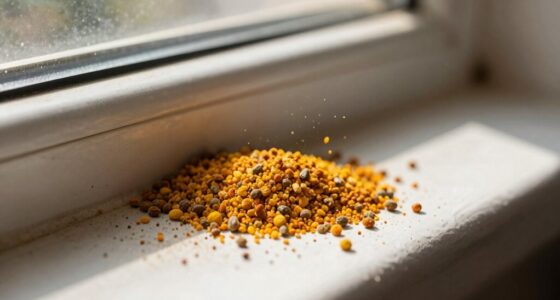
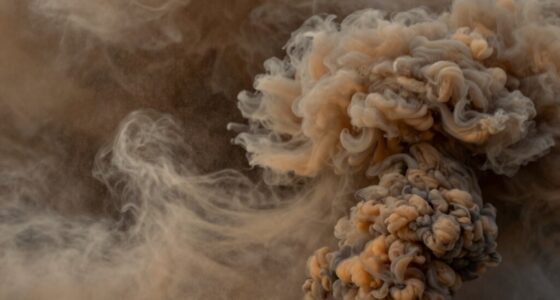
Cooking smoke is a bigger problem than you think. It substantially impacts indoor air quality and can lead to serious health issues like respiratory problems and cardiovascular disease. When cooking at high temperatures, harmful particles and VOCs are released, settling on surfaces and causing lingering odors. Poor ventilation exacerbates these issues, making it essential to adopt better cooking practices and maintain your kitchen. Discover more ways to protect your health and improve your home’s air quality.
Key Takeaways
- Cooking smoke contains harmful pollutants like VOCs and carcinogens, contributing to indoor air pollution and health risks.
- High-temperature cooking methods, such as grilling and frying, produce significant smoke and residue, leading to lingering odors.
- Poor ventilation exacerbates pollution, making it crucial to use exhaust fans and improve air circulation during cooking.
- Cooking smoke can impact vulnerable populations, including children and those with pre-existing respiratory conditions, increasing health risks.
- Regular cleaning and natural odor-neutralizing solutions, like vinegar and baking soda, can help control smoke and maintain indoor air quality.

VOOPNU Air Purifiers for Home, High Efficiency Filter Up to 1076 Ft², White
- Effortless Operation: Intuitive control panel for easy use
- Compact Yet Powerful: Covers 1076 sq ft in a small size
- 360° Airflow & HEPA Filter: Surround intake with 99.97% pollutant removal
As an affiliate, we earn on qualifying purchases.
As an affiliate, we earn on qualifying purchases.
Understanding Cooking Smoke: What It Is and How It Forms

When you cook, you might notice a cloud of smoke rising from your stovetop or grill, and understanding what this smoke is and how it forms can enhance your culinary skills. Cooking smoke formation occurs when fats and oils reach their smoke point, producing visible vapor. There are different types of cooking smoke, including white smoke from water vapor and oil, and blue smoke, which indicates incomplete combustion. Each type reflects the cooking process and can impact the flavor of your food. By recognizing these variations, you can adjust your heat levels to prevent unwanted smoke. This awareness not only improves your dishes but also helps you create a more enjoyable cooking environment. Additionally, just as energy-efficient cloud servers promote sustainable solutions, being mindful of cooking smoke can lead to healthier cooking practices. Maintaining air quality is crucial in a kitchen, as poor ventilation can exacerbate the effects of cooking smoke. Vintage design can also play a role in creating an inviting kitchen atmosphere. To maintain a comfortable atmosphere while cooking, consider using an air purifier to effectively reduce the impact of cooking smoke in your home. Understanding color accuracy in cooking environments can further contribute to a more pleasant and visually appealing culinary experience.

VIKIO HOME 30 Inch Under Cabinet Range Hood 900 CFM Quiet DC Motor
- Dual Motors and High CFM: 900 CFM with 25% stronger suction
- Fast Smoke and Odor Removal: Cleans a 150 sq ft kitchen in 120 seconds
- Gesture and Touch Controls: Adjust fan speeds easily with gestures or touch
As an affiliate, we earn on qualifying purchases.
As an affiliate, we earn on qualifying purchases.
The Hidden Dangers of Indoor Air Pollution

Indoor air pollution can sneak up on you, often without any obvious signs. You might not realize that common pollutants, like cooking smoke, can lead to serious health risks. In fact, the surface temperature of the Sun plays a crucial role in understanding atmospheric conditions that can affect indoor air quality. Many people who rely on their vehicles for work or recreation, like tradespeople, may also be exposed to these pollutants when cooking in confined spaces. To further enhance your indoor environment, consider incorporating eco-friendly natural pools which can promote better air quality through improved ventilation and reduced chemical exposure. Additionally, investing in premium home essentials can help create a healthier living space overall. Fortunately, there are effective prevention strategies you can adopt to keep your home environment safe. Investing in air purifiers can significantly improve the air quality in your home and mitigate the effects of indoor pollutants.
Common Indoor Pollutants
Have you ever considered what lurks in the air of your home? Common indoor pollutants like dust, mold, and pet dander may be more harmful than you realize. Even everyday activities, such as cooking and cleaning, can release harmful particles into the air. These pollutants can accumulate, affecting your indoor air quality. To combat this issue, consider incorporating indoor plants, which naturally filter toxins and improve air quality. Additionally, air purifiers can help capture and eliminate pollutants, creating a healthier living space. By taking these simple steps, you can considerably reduce your exposure to indoor air pollution and create a more pleasant environment for you and your family. Don’t underestimate the impact of cleaner air on your well-being! Using butter in cooking can also produce smoke, which contributes to indoor air pollution, so be mindful of your cooking methods. Furthermore, maintaining proper ventilation in your home can significantly enhance air circulation and reduce the concentration of indoor pollutants. Remember, investing in whole-home backup power can also ensure that your air purifiers remain operational during outages, enhancing your air quality even during emergencies.
Health Risks Explained
Although you might not see them, the hidden dangers of indoor air pollution can considerably impact your health. When you cook, smoke and fumes can linger in your kitchen, leading to respiratory issues and other health problems. Poor cooking safety practices, like inadequate ventilation, exacerbate these risks. If you’re not mindful of kitchen hygiene, you may unintentionally invite harmful pollutants into your home. Grease buildup and food particles can contribute to indoor air quality issues, increasing your exposure to toxins. Over time, these pollutants can lead to chronic conditions, affecting both your physical and mental well-being. Prioritizing good cooking safety and maintaining proper kitchen hygiene can help minimize these hidden dangers and create a healthier living environment for you and your family. Additionally, utilizing smart appliances can significantly improve ventilation and reduce smoke accumulation while cooking, allowing you to benefit from modern tech that enhances your overall kitchen safety. Furthermore, understanding the importance of cookie preferences can also play a role in enhancing your indoor air quality by managing how data is collected about your cooking habits. Implementing robotic cleaning solutions can further assist in maintaining a cleaner kitchen environment by efficiently removing smoke residue and pollutants. To complement these efforts, designing your cooking space with outdoor kitchens can help reduce indoor smoke exposure while providing an enjoyable cooking experience.
Prevention Strategies Today
How can you effectively prevent the hidden dangers of cooking smoke? First, guarantee proper ventilation in your kitchen. Open windows or use exhaust fans to help expel indoor air pollutants. Consider using an air purifier with a HEPA filter to capture particulates from cooking smoke, as these filters can remove small airborne particles that contribute to indoor air pollution. Additionally, maintaining good indoor air quality is essential for your overall health and well-being. Understanding the impact of air quality on health can guide you in making informed choices. Fashion and lifestyle choices can significantly influence a person’s well-being, including their environmental health. You might also want to switch to electric or induction cooktops, which produce less smoke compared to gas. Regularly clean your cooking surfaces and appliances to avoid buildup that can release harmful particles. Finally, be mindful of how you cook; reducing frying and grilling can considerably decrease cooking smoke in your home. By implementing these strategies, you can create a healthier indoor environment and minimize the risks associated with cooking smoke. Additionally, practicing safer cooking habits can further enhance your indoor air quality and reduce potential health hazards.

Fresh Wave Original Odor Eliminator Gel 3-Pk 7 oz – Air Freshener for Home
- Odor Absorption: Eliminates ongoing household odors
- Long-Lasting Freshness: Lasts 15-30 days per jar
- Safe & Natural: Free from parabens, sulfates, phthalates
As an affiliate, we earn on qualifying purchases.
As an affiliate, we earn on qualifying purchases.
Common Sources of Cooking Smoke in Your Kitchen

When you’re cooking at high temperatures, like frying or grilling, it’s easy to create smoke in your kitchen. Grease and oil can also build up over time, contributing to that smoky haze. Let’s explore how these common sources can impact your indoor air quality.
High-Temperature Cooking Methods
As you explore the kitchen, you might notice that high-temperature cooking methods can quickly lead to the production of cooking smoke. Techniques like grilling, whether on a gas or charcoal grill, often result in smoke flavoring, enhancing the taste of your food. However, these methods can also create excess smoke that permeates your kitchen. Searing meats or stir-frying at high heat can cause oils to smoke, releasing harmful compounds into the air. It is crucial to manage the heat and keep an eye on your cooking to minimize smoke production. By understanding these high-temperature techniques, you can enjoy the delicious flavors they offer while reducing the risks associated with cooking smoke in your home.
Grease and Oil Accumulation
High-temperature cooking methods can lead not only to flavorful results but also to unwanted smoke from grease and oil accumulation. You may not realize it, but common sources of this issue can be found right in your kitchen. Here are four culprits contributing to grease buildup and oil residue:
- Frying: Oil splatters can coat surfaces, leading to smoke during cooking.
- Grilling: Drippings from meats can create smoke when they hit hot surfaces.
- Sautéing: High heat can cause oil residue to burn, producing smoke.
- Baking: Overflowing dishes can spill grease onto the oven floor, resulting in smoke.

ZEMEOLLO Air Quality Monitor Indoor, 10-in 1 Smart Air Quality Tester
- 10-in-1 Multi-Gas Detection: Monitors CO₂, HCHO, TVOC, benzene, PM2.5, PM10
- High-Definition Color Display: Shows real-time data with visual alerts
- Intelligent Data Reporting: Automatically generates environmental quality reports
As an affiliate, we earn on qualifying purchases.
As an affiliate, we earn on qualifying purchases.
Health Risks Associated With Cooking Smoke Exposure

Cooking smoke, which often fills your kitchen while preparing meals, can pose vital health risks that you might not immediately recognize. Exposure to cooking smoke can lead to respiratory issues and other long-term health problems, considerably affecting your indoor air quality. It’s essential to understand these risks to protect yourself and your loved ones.
| Health Risks | Effects on Indoor Air |
|---|---|
| Respiratory Issues | Increased pollutants |
| Cardiovascular Problems | Reduced air quality |
| Allergies and Irritation | Heightened sensitivities |
Vulnerable Populations: Who Is Most Affected?

While many people enjoy cooking at home, certain groups are more susceptible to the harmful effects of cooking smoke. Understanding who these vulnerable populations are can help you recognize the risks involved. Here are four groups particularly affected:
- Elderly populations – Their respiratory systems may already be compromised, making them more sensitive to pollutants.
- Low-income households – Often reliant on older cooking methods or equipment, these households might not have access to better ventilation.
- Children – Their developing lungs can be more impacted by smoke exposure.
- Individuals with pre-existing health conditions – Those with asthma or other respiratory diseases face heightened risks from cooking smoke.
Identifying Harmful Compounds in Cooking Smoke

As you prepare meals, it’s essential to be aware of the harmful compounds that can be released into the air. Cooking smoke contains a mix of volatile organic compounds (VOCs), particulate matter, and even carcinogens like benzene and formaldehyde. When you fry, grill, or roast, these harmful compounds can quickly accumulate, affecting both your health and indoor air quality. You might not realize that even seemingly harmless ingredients, like oils, can produce harmful byproducts when heated to high temperatures. Recognizing the potential dangers of cooking smoke helps you take proactive steps to minimize exposure. By understanding these harmful compounds, you can make more informed choices while cooking and create a safer environment for yourself and your loved ones.
Tips for Reducing Cooking Smoke in Your Home

To cut down on cooking smoke in your home, start by ensuring proper ventilation while you cook. You can also choose low-smoke ingredients to minimize the amount of smoke produced. These simple adjustments can make a big difference in keeping your kitchen air clean.
Proper Ventilation Techniques
Proper ventilation is essential if you want to minimize cooking smoke in your home. By improving your indoor air quality, you can create a healthier environment. Here are some effective ventilation techniques:
- Use a kitchen exhaust fan: Ensure it’s powerful enough to capture smoke and odors while cooking.
- Open windows: Let fresh air circulate; it helps dilute smoke and improve air quality.
- Install a range hood: A properly vented range hood will efficiently remove smoke and grease from your kitchen.
- Keep the kitchen clean: Regularly clean surfaces to prevent smoke buildup and maintain better air quality.
Choosing Low-Smoke Ingredients
Effective ventilation techniques help reduce cooking smoke, but choosing the right ingredients can make a significant difference too. Start by incorporating low smoke ingredients like chicken, fish, or vegetables, which produce less smoke when cooked. Avoid high-fat meats and oils, as they tend to generate more smoke when heated. Opt for smoke reducing spices such as turmeric, ginger, and garlic, which not only enhance flavor but also help minimize smoke output. When sautéing or frying, use oils with high smoke points like avocado or grapeseed oil to prevent burning. By being mindful of your ingredient choices, you’ll create a healthier cooking environment and enjoy a more pleasant kitchen experience without overwhelming smoke.
The Role of Ventilation in Maintaining Air Quality

When you cook, the smoke and fumes produced can considerably affect indoor air quality, making proper ventilation essential. To maintain air quality, consider these key aspects of ventilation:
- Range Hoods: Install a range hood to effectively capture smoke and grease, enhancing ventilation effectiveness.
- Open Windows: Increase air exchange by opening windows, allowing fresh air to dilute indoor pollutants.
- Exhaust Fans: Use exhaust fans in kitchens and bathrooms to remove excess moisture and odors.
- Air Purifiers: Invest in air purifiers equipped with HEPA filters to trap airborne particles you can’t see.
Alternative Cooking Methods to Minimize Smoke

While good ventilation can greatly improve indoor air quality, exploring alternative cooking methods can further reduce smoke and fumes in your kitchen. Consider using electric or induction stoves, as they produce less smoke compared to traditional gas stoves. You might also want to experiment with alternative fuels, like propane or natural gas, which can burn cleaner and minimize emissions. Outdoor cooking is another effective way to decrease indoor smoke; grilling or using a smoker can keep your kitchen air fresher. If you enjoy baking, using a slow cooker or an air fryer can also cut down on smoke, making your cooking experience healthier and more enjoyable. Embrace these methods and enjoy cleaner air while you cook!
The Importance of Regular Kitchen Maintenance for Air Quality

Maintaining your kitchen regularly is essential for ensuring good air quality and reducing harmful pollutants. A clean kitchen not only promotes your health but also enhances your cooking experience. Here are four key maintenance tasks you shouldn’t overlook:
- Inspect and Clean Kitchen Air Filtration: Ensure your range hood filters are clean and functioning effectively to capture smoke and grease.
- Regularly Clean Surfaces: Wipe down countertops and stovetops to prevent the buildup of cooking residues that can release odors.
- Ventilation Check: Make sure windows and exhaust fans work properly, allowing fresh air to circulate.
- Cooking Odor Removal: Use natural solutions like vinegar or baking soda to neutralize persistent smells.
Frequently Asked Questions
How Can I Tell if My Cooking Smoke Is Harmful?
You can tell if your cooking smoke is harmful by paying attention to its color and smell. If you notice thick, dark smoke or a strong, acrid odor, it may indicate incomplete combustion, which can release harmful pollutants. Make sure your cooking ventilation system is working properly to help reduce smoke buildup. Installing smoke detection can also alert you to excessive smoke levels, keeping your kitchen safer while you cook.
What Are the Signs of Poor Indoor Air Quality?
You’ll notice signs of poor indoor air quality like persistent odors, excessive dust, or increased allergy symptoms. If you’ve got smoke detectors going off more frequently, it’s time to assess your ventilation strategies. Check for proper airflow and ensure your kitchen’s ventilated well when cooking. You might find that implementing these strategies not only clears the air but also enhances your overall comfort at home. Don’t ignore these warning signs; they matter!
Can Air Purifiers Help Reduce Cooking Smoke?
Yes, air purifiers can help reduce cooking smoke. Their efficiency largely depends on the type of filter they use. HEPA filters are great for smoke particle removal, capturing fine particles that linger in the air. If you choose a purifier with activated carbon, it can also tackle odors. To see real improvements, place the purifier near your cooking area and make sure it’s appropriately sized for your space. You’ll notice cleaner air in no time!
Does Cooking Smoke Affect Pets and Animals?
Cooking smoke can harm your pets’ health just like a storm clouds a sunny day. It irritates their respiratory systems, leading to coughing or sneezing. You might notice changes in your pet’s behavior, too—like increased anxiety or lethargy. Just as you’d protect a child from harmful fumes, it’s essential to keep your furry friends safe from smoke. Regular ventilation and air purifiers can help create a healthier environment for them.
Are There Specific Cooking Oils That Produce Less Smoke?
Yes, there are specific cooking oils that produce less smoke. You should consider alternative oils like avocado oil and grapeseed oil, which have high smoke points, making them ideal for high-temperature cooking. Olive oil is great for medium-heat dishes, but it can smoke at higher temperatures. By choosing oils with higher smoke points, you’ll reduce smoke production and create a healthier cooking environment for both you and your pets.
Conclusion
In conclusion, cooking smoke is a significant yet often overlooked issue. Did you know that nearly 3 billion people rely on solid fuels for cooking, leading to serious health risks? By taking steps to reduce smoke in your kitchen, like improving ventilation and exploring alternative cooking methods, you can protect your family’s health and enhance your home’s air quality. Don’t underestimate the impact of cooking smoke—making small changes can lead to a healthier living environment for everyone.