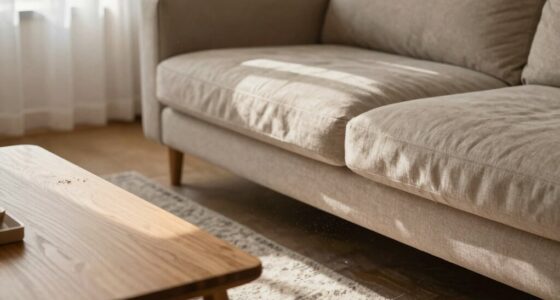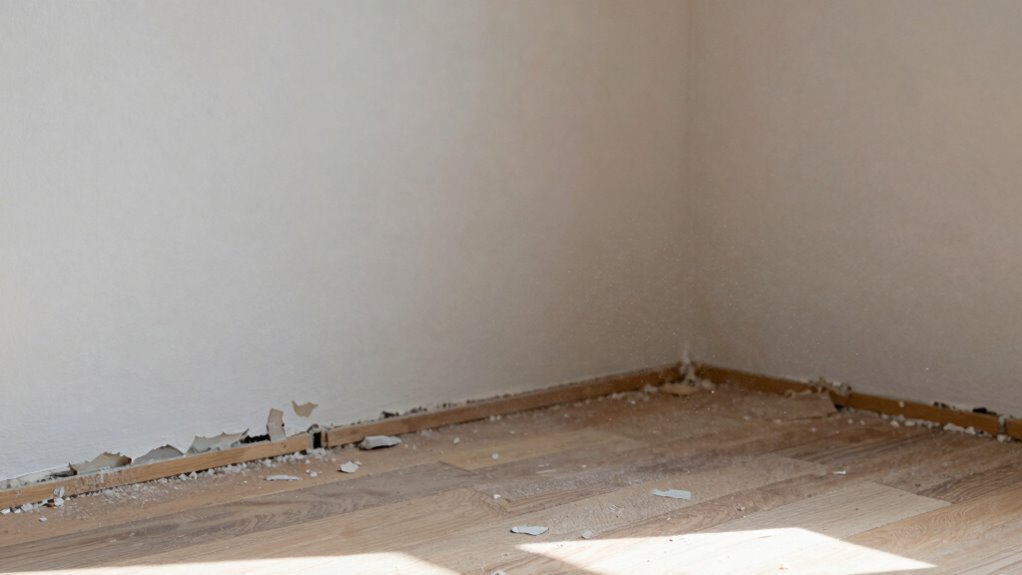

Dust after renovation work lingers long after contractors leave, creating a health risk and messy environment. It’s caused when surface disturbances release tiny particles into the air, which settle on surfaces or stay airborne. Proper measures, like using HEPA filters and dust barriers, can considerably reduce this. Contractors should also follow strict cleanup routines. To fully understand how to manage this dust effectively and keep your space safe, keep exploring the best strategies.

Get health and wellness essentials delivered free with Prime
- Fast, free delivery on millions of items
- Prime Video, Amazon Music and more included
- Member-only deals all year
Key Takeaways
- Renovation activities release tiny particles that settle on surfaces and remain airborne for weeks.
- Effective air filtration with HEPA filters significantly reduces residual dust and improves indoor air quality.
- Contractors should use dust barriers, extraction tools, and routine cleaning to control dust during projects.
- Post-renovation cleaning by professionals is essential to remove lingering dust and ensure a safe environment.
- Proper dust management protects occupant health and maintains indoor air quality after renovations.
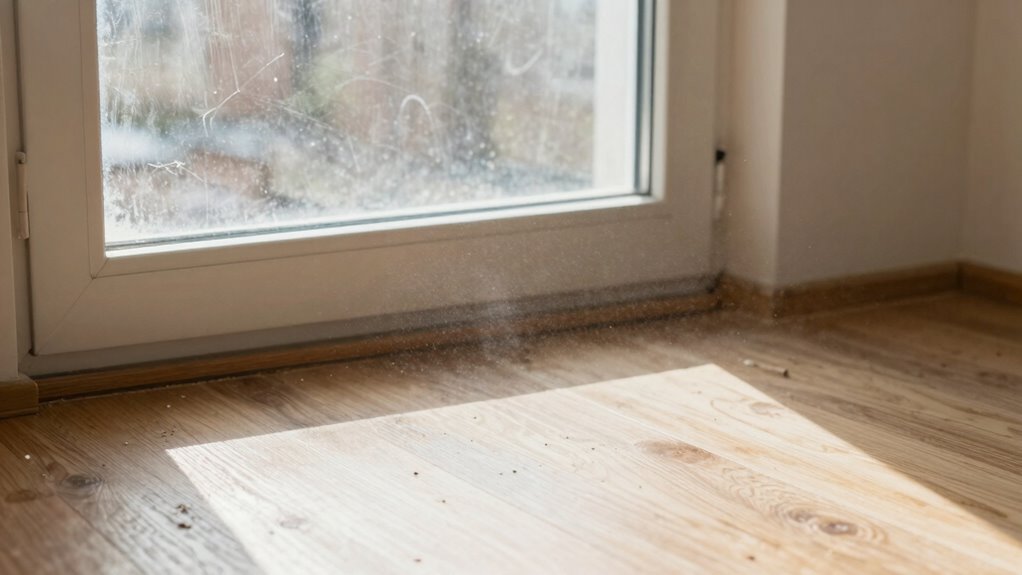
Have you ever wondered why dust seems to settle everywhere after renovation work? It’s almost unavoidable, no matter how careful the workers are. The truth is, renovation activities disturb existing surfaces and materials, releasing a cloud of tiny particles into the air. These particles settle on furniture, floors, and even inside vents, making your space feel dirty long after the work is done. The key to managing this mess lies in effective air filtration and understanding the responsibilities of contractors in controlling dust.
Air filtration plays a vital role in reducing airborne dust during and after renovations. High-efficiency particulate air (HEPA) filters are particularly effective because they trap microscopic particles that standard filters might miss. Using portable air purifiers equipped with HEPA filters can considerably improve air quality in your home or office. These devices draw in contaminated air and trap dust, preventing it from settling on surfaces or being inhaled. Contractors should prioritize the setup of such filtration systems throughout the project, especially in enclosed spaces, to minimize dust spread and protect both workers and occupants. Implementing proper dust management strategies is essential to reduce health risks associated with airborne particles. Additionally, understanding the air filtration options available can help you choose the best solutions for your space. Incorporating effective filtering systems early in the renovation process can significantly reduce residual dust.
Contractor responsibilities extend beyond just completing the renovation work. They are accountable for controlling dust and guaranteeing a clean environment during and after the project. This involves implementing dust barriers, such as plastic sheeting or temporary walls, to contain debris within designated work zones. Contractors should also use dust extraction tools attached to power tools—like saws and grinders—to capture dust directly at the source. Proper cleanup routines are essential; they should vacuum with HEPA-filtered equipment rather than sweeping, which tends to stir up settled dust. Additionally, contractors need to communicate with clients about the importance of post-renovation cleaning and recommend professional cleaning services if necessary. Recognizing the significance of indoor air quality can help ensure comprehensive dust management strategies are in place. Regular inspections and feedback from occupants are also crucial to identify areas needing additional cleaning or filtration.
Ultimately, managing dust after renovation work requires a proactive approach. You, as the occupant, should verify that your contractor follows strict dust control protocols and uses appropriate air filtration methods. Regularly inspecting the work site for dust buildup and requesting professional cleaning can help guarantee your space is truly clean and safe. Remember, a responsible contractor not only focuses on delivering quality workmanship but also on safeguarding your indoor air quality. By understanding their responsibilities and the importance of air filtration, you can better protect yourself and your family from lingering dust and airborne particles long after the renovation is finished.
HEPA air purifier for dust removal
As an affiliate, we earn on qualifying purchases.
As an affiliate, we earn on qualifying purchases.
Frequently Asked Questions
How Long Does Dust From Renovation Typically Stay in the Air?
Dust from renovation typically stays in the air for a few hours to several days, depending on ventilation and dust control measures. To reduce airborne dust, you should use air filtration systems and run them continuously during and after the work. Dust monitoring helps you track when dust levels return to safe, normal levels. Proper cleanup and good ventilation are key to clearing dust quickly and ensuring your air stays clean.
Are Certain Types of Renovation Projects More Likely to Produce Dust?
Some renovation projects tend to stir up more of those pesky airborne particles, especially those involving tearing down walls or sanding surfaces. To keep dust at bay, you’ll want to focus on furniture protection and ventilation strategies. Properly sealing off furniture and using fans or air purifiers helps air circulate, reducing dust in your space. So, choose projects thoughtfully, and take these precautions to enjoy a cleaner, more comfortable home afterward.
Can Dust From Renovation Cause Long-Term Health Issues?
Dust from renovation can impact your respiratory health and indoor allergens over time, especially if you’re exposed frequently or for prolonged periods. Breathing in fine particles may trigger allergies, asthma, or other respiratory issues. To protect yourself, guarantee proper ventilation, wear masks, and clean thoroughly after work. Staying aware of indoor air quality helps prevent long-term health problems linked to renovation dust.
What Are the Best Methods to Prevent Dust During Renovation?
Imagine sealing your home like a treasure chest. To prevent dust during renovation, set up dust barriers to contain debris and create a physical shield. Use air filtration systems to actively pull dust from the air, like a vigilant guardian. Regularly clean filters and keep windows closed to maintain this barrier. These steps protect your space, making sure dust stays outside, so your home remains safe and clean throughout the project.
Is Professional Cleaning Necessary After Renovation Dust Settles?
Yes, professional cleaning is necessary after renovation dust settles. Even with effective dust containment and air filtration, some dust particles linger in the air and on surfaces. A professional cleaning guarantees thorough removal of dust, improving air quality and protecting your health. They use specialized equipment to reach hidden spots and eliminate residual dust, leaving your space safe and clean for you to enjoy without worry.
As an affiliate, we earn on qualifying purchases.
Conclusion
After your renovation, don’t underestimate the persistent dust it leaves behind. It can settle in places you wouldn’t expect, affecting your air quality and health. Notably, studies show that indoor dust can contain over 600 different chemical compounds, many of which are hazardous. Regular cleaning and air filtration are essential to reduce exposure. By staying vigilant, you can ensure your home remains safe and comfortable after all the hard work.
As an affiliate, we earn on qualifying purchases.
HEPA vacuum cleaner for renovation cleanup
As an affiliate, we earn on qualifying purchases.
As an affiliate, we earn on qualifying purchases.
Fall Picks
fall essentials
As an affiliate, we earn on qualifying purchases.