
Many homes secretly collect dust and allergens in hidden spots you might overlook. Areas like behind drywall, inside ductwork, or under carpets can harbor mold and trapped moisture. Household items such as stuffed animals, curtains, and indoor plants also trap dust and allergens unnoticed. Poor ventilation and damp spaces like bathrooms and basements invite mold growth. Staying aware of these hidden sources helps improve your indoor air quality—continue to explore ways to keep your home healthier.
Key Takeaways
- Mold can grow behind walls, under carpets, or inside ductwork, often unnoticed until it causes visible issues or odors.
- Household items like stuffed animals, curtains, and indoor plants trap dust and allergens in hard-to-see areas.
- Poor ventilation in bathrooms and basements allows moisture buildup, promoting hidden mold and dust accumulation.
- Water leaks and high humidity create damp spots that foster mold growth behind surfaces and within hidden spaces.
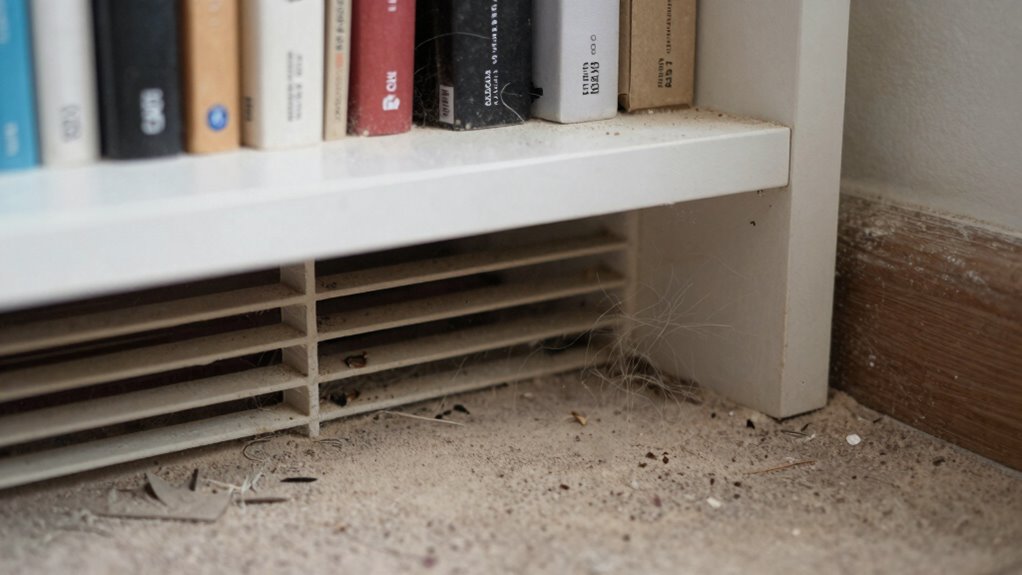
- Dust and allergens can settle in hidden nooks, behind appliances, or inside air ducts, making them hard to detect without inspection.
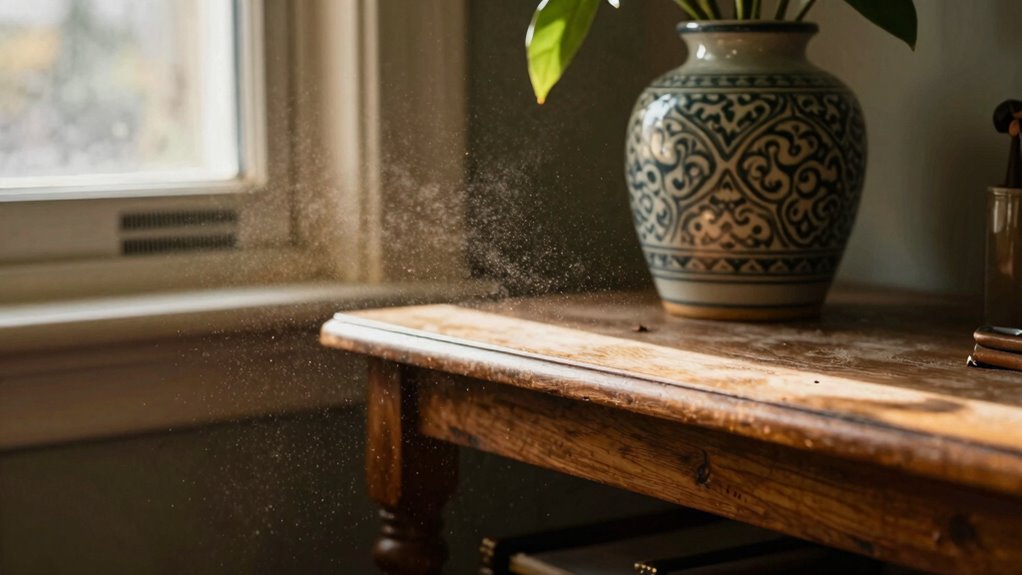
Ever wonder where all that dust in your home comes from? The truth is, dust isn’t just dirt floating around; it’s a mix of tiny particles, including airborne allergens and concealed mold that often go unnoticed. While you might focus on cleaning visible surfaces, these hidden sources quietly contribute to the dust you see settling on furniture and floors. Understanding where they originate can help you manage indoor air quality and create a healthier living space. Recognizing digital security threats in your environment can also be crucial for maintaining overall safety at home.
Airborne allergens are a major component of household dust. They include pollen, pet dander, dust mites, and even bacteria, all of which are small enough to become suspended in the air. These allergens can cling to surfaces or float in the air, settling into corners, upholstery, and carpets. When you dust or vacuum, you’re removing some of these particles, but they can easily become airborne again, especially if your ventilation isn’t adequate. Breathing in these airborne allergens can trigger allergies or asthma symptoms, making it essential to identify and control their sources.
Airborne allergens like pollen, pet dander, and bacteria can settle into your home, triggering allergies and asthma symptoms.
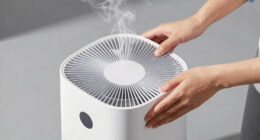
Another often overlooked contributor to dust is hidden mold. Mold isn’t always visible to the naked eye; it can grow in places you rarely inspect, such as behind drywall, under carpets, or inside ductwork. Mold spores can become airborne, especially when disturbed, and attach themselves to dust particles, compounding indoor air quality issues. If you notice a musty smell or see discoloration in hidden areas, it’s a sign that mold is present and actively growing. This mold releases spores into the air, which then settle into accumulated dust, creating a cycle that’s hard to break without proper investigation. Moisture control is essential in preventing mold growth and minimizing its impact on indoor air quality. Additionally, using air purifiers with HEPA filters can help capture airborne mold spores and allergens, further improving air quality.
The presence of hidden mold and airborne allergens in dust can also originate from less obvious sources like poorly ventilated bathrooms, damp basements, or areas with water leaks. These spots can harbor mold growth or trap moisture, providing ideal conditions for mold spores to develop and spread. Household items such as stuffed animals, fabric curtains, or even indoor plants can trap airborne allergens and mold spores, contributing to dust buildup that you might not immediately notice. Proper ventilation and regular inspection of these areas can significantly reduce the accumulation of dust and allergens. Recognizing airborne allergens and taking steps to reduce their presence can greatly improve overall living conditions.
In essence, the dust in your home isn’t just dirt; it’s a complex mixture of invisible and hidden elements. By understanding that airborne allergens and hidden mold are key contributors, you can take targeted steps—like improving ventilation, controlling humidity, and inspecting less obvious areas—to reduce these sources. Doing so not only makes your home cleaner but also markedly improves your indoor air quality and overall health.
HEPA air purifier for mold and allergens
As an affiliate, we earn on qualifying purchases.
As an affiliate, we earn on qualifying purchases.
Frequently Asked Questions
How Often Should I Clean Hidden Dust Areas in My Home?
You should clean hidden dust areas at least once a month to keep dust mites and allergens at bay. Use an air purifier regularly to help trap airborne dust and reduce buildup. Pay special attention to vents, behind furniture, and under appliances, as these spots often harbor dust that’s easy to overlook. Regular cleaning helps improve indoor air quality, making your home healthier and more comfortable.
Can Pets Contribute to Hidden Dust Buildup?
Imagine tiny pet dander and shed carpet fibers swirling like dust devils, settling into corners and beneath furniture. Pets definitely contribute to hidden dust buildup—especially through shed hair, skin, and dander. These particles cling to carpets, upholstery, and vents, quietly accumulating over time. Regular cleaning disrupts this cycle, but you should pay extra attention to areas where pet hair and dander hide, reducing the dust that often goes unnoticed.
Are Certain Home Materials More Prone to Dust Accumulation?
Certain home materials are more prone to dust accumulation because of their surface properties and durability. For example, soft fabrics and porous surfaces trap dust more easily, making air filtration essential to keep indoor air clean. Durable materials like tile or metal resist dust buildup better, but regular cleaning is still necessary. You can reduce dust by choosing materials that resist trapping dust and maintaining good air filtration systems in your home.
What Tools Are Best for Removing Hidden Dust?
You’ll want a superhero toolkit for hidden dust—enter the air purifier and microfiber cloth. The air purifier traps airborne particles you never see, making breathing easier. A microfiber cloth swoops in to wipe away dust from surfaces, especially those sneaky spots. Together, they battle the unseen dust invasion, leaving your home fresher and cleaner. Don’t forget, even heroes need regular maintenance, so keep these tools handy!
Does Humidity Affect Hidden Dust Levels?
Yes, humidity affects hidden dust levels. Higher humidity can increase air quality issues by creating a perfect environment for dust mites, which thrive in moist conditions. This can lead to more airborne dust particles and worsen allergies or asthma symptoms. Maintaining ideal humidity levels between 30-50% helps control dust mite populations and reduces hidden dust, making your home healthier and cleaner overall.
inspection camera for hidden mold behind drywall
As an affiliate, we earn on qualifying purchases.
As an affiliate, we earn on qualifying purchases.
Conclusion
You might think you’ve cleaned every surface, but dust hides in places you never consider. Ignoring these hidden sources means dust keeps accumulating, affecting your home’s air quality and your health. No, it’s not just about wiping surfaces; it’s about uncovering those sneaky spots. Take a closer look, and you’ll see cleaning isn’t just routine—it’s essential. Don’t wait for allergy symptoms to remind you—start tackling those hidden dust sources today for a fresher, healthier home.
duct cleaning kit for air ducts
As an affiliate, we earn on qualifying purchases.
As an affiliate, we earn on qualifying purchases.

Mold Test Kit for Home – 12 Simple Detection Tests,Test HVAC System,Home Surfaces,& Indoor Air Quality Testing Kits,DIY Mold Detector at Home,Includes Detailed Mold Identification Guide,air Tester
The Kayenqo Mold Test Kit contains 12 test plates, detailed mold guide and mold removal instructions, 12 swabs,…
As an affiliate, we earn on qualifying purchases.
As an affiliate, we earn on qualifying purchases.