If your home is near a busy road, you’re exposed to higher levels of traffic-related pollutants like nitrogen dioxide and particulate matter, which can harm your health. Noise pollution also impacts your sleep and stress levels. To protect yourself, you need specialized strategies like installing soundproof windows, using air purifiers, and landscaping with trees that absorb pollutants. Want to know more ways to improve your indoor air quality and stay safe? Keep exploring!

Get health and wellness essentials delivered free with Prime
- Fast, free delivery on millions of items
- Prime Video, Amazon Music and more included
- Member-only deals all year
Key Takeaways
- Proximity to roads increases exposure to traffic pollutants, requiring specialized filtration and mitigation measures.
- Traffic noise and pollution together impact health, necessitating combined noise and air quality management strategies.
- Landscaping with vegetation can help absorb pollutants and reduce outdoor pollution entry into homes.
- High pollution levels from traffic demand targeted indoor air quality controls, like air purifiers and pollution monitors.
- Timing activities and installing barriers are crucial for minimizing pollution exposure in homes near busy roads.
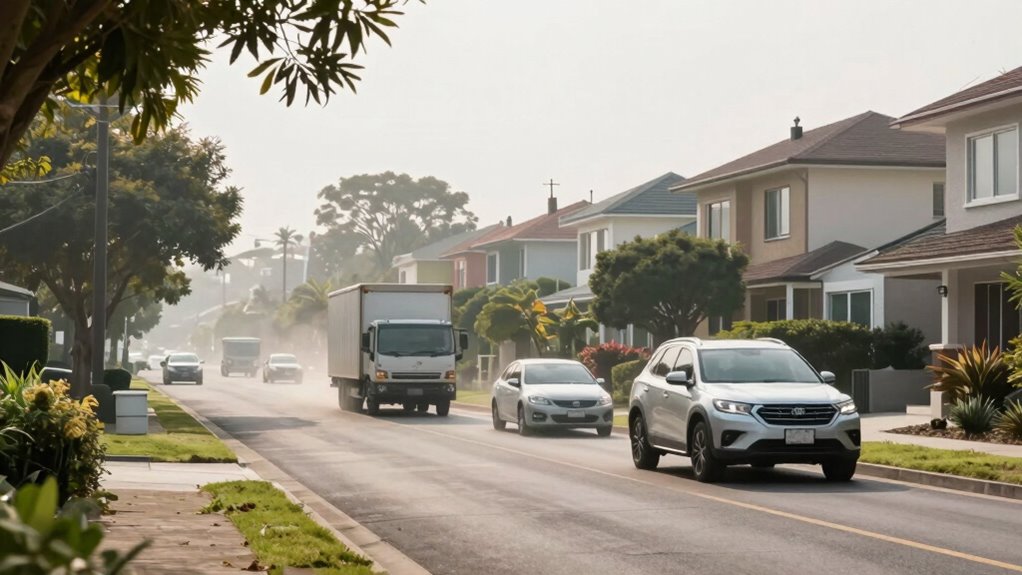
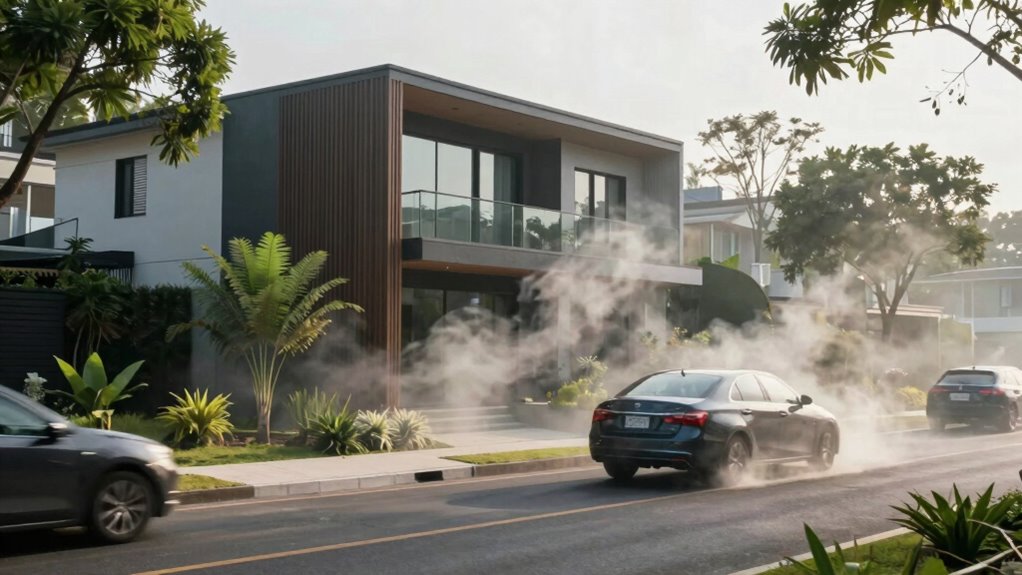
Living near busy roads can substantially impact your air quality, exposing you to higher levels of pollutants like nitrogen dioxide and particulate matter. These pollutants can lead to respiratory problems, worsen existing health conditions, and even increase your risk of cardiovascular disease. Because of this, your approach to maintaining healthy air quality needs to be different from those living in quieter, less trafficked areas. You can’t rely solely on standard air filtration or ventilation systems; instead, you need strategies tailored to mitigate the specific challenges posed by proximity to traffic.
Living near busy roads increases exposure to pollutants that harm respiratory and cardiovascular health.
Traffic noise is another issue that often accompanies living near busy roads. While noise might seem separate from air quality concerns, it’s actually interconnected. Constant noise pollution can increase stress levels and negatively affect sleep quality, which in turn weakens your immune system. To combat both traffic noise and pollution, pollution mitigation techniques become essential. Installing high-quality air filters in your home, such as HEPA filters, can help trap airborne particles, while sealing gaps around doors and windows prevents outdoor pollutants from entering. Using noise barriers or soundproof windows can greatly reduce traffic noise, creating a calmer indoor environment that supports better health.
You’ll also want to contemplate the placement of your home and outdoor spaces. Vegetation, especially trees and shrubs, can act as natural filters, absorbing some pollutants and reducing the amount that reaches your living space. Strategic landscaping not only helps with pollution mitigation but also softens the impact of traffic noise. Additionally, maintaining your HVAC system with proper filtration and regular servicing ensures that indoor air remains clean, even when outdoor air quality fluctuates. Implementing air quality monitoring devices can provide real-time data to help you make informed decisions about indoor air safety. Incorporating natural filtration methods such as indoor plants can further enhance air quality and reduce indoor pollutants.
Understanding pollution sources and how they affect your local environment can help you develop more targeted mitigation strategies. Recognizing the importance of indoor air quality management is essential, especially in areas with high outdoor pollution levels. An effective way to reduce pollution indoors is to incorporate plants known for their air-purifying qualities, which can naturally improve air quality.
Another effective strategy involves timing. If you have control over your outdoor activities, try to avoid outdoor exposure during peak traffic hours when pollution levels are highest. Keep windows closed during these times, and use air purifiers to maintain good air quality indoors. Installing a carbon monoxide and nitrogen dioxide monitor can help you stay aware of pollution levels and take action when necessary.
HEPA air purifier for traffic pollution
As an affiliate, we earn on qualifying purchases.
As an affiliate, we earn on qualifying purchases.
Frequently Asked Questions
How Do Traffic Patterns Affect Indoor Air Quality Over Time?
Traffic patterns markedly impact your indoor air quality over time. As vehicle emissions and pollutant infiltration increase during peak hours, your home accumulates more pollutants, which can worsen respiratory issues. Consistent traffic flow means these emissions linger longer indoors, especially if your home isn’t well-ventilated. To protect yourself, consider air purifiers, sealing gaps, and monitoring outdoor air quality, especially during rush hours or heavy traffic days.
Are There Specific Plants That Can Improve Air Quality Near Busy Roads?
You can improve air quality near busy roads by adding pollution absorbing plants like spider plants, pothos, and Boston ferns. These urban greenery benefits help filter out pollutants and improve indoor air. Incorporating these plants into your home creates a natural barrier against traffic emissions, making your environment healthier. Regularly maintaining them guarantees they continue to absorb pollutants effectively, providing cleaner air and a more comfortable living space near busy roads.
How Often Should Air Quality Tests Be Conducted in Road-Adjacent Homes?
Think of your home as a shield, constantly fighting against unseen invaders. You should conduct air quality tests at least quarterly, especially during peak pollution seasons. Indoor ventilation plays an essential role in maintaining clean air, but regular pollution monitoring guarantees you’re aware of changes. By staying vigilant and testing regularly, you empower your home to stand strong against pollutants, safeguarding your health and well-being.
What Are the Long-Term Health Impacts of Living Near Busy Roads?
Living near busy roads exposes you to vehicle emissions and noise pollution, which can have serious long-term health impacts. You might face increased risks of respiratory issues, cardiovascular diseases, and stress-related conditions. Over time, constant exposure can weaken your immune system and contribute to mental health problems. It’s essential to take protective measures, like installing air filters and soundproofing, to reduce these risks and safeguard your well-being.
Can Air Purifiers Effectively Reduce Pollution Indoors Near Roads?
Yes, air purifiers can effectively reduce pollution indoors near roads by enhancing indoor filtration and improving air circulation. Choose models with HEPA filters to capture fine particles like vehicle emissions and dust. Guarantee proper air circulation by ventilating regularly, which helps remove pollutants and brings in fresh air. Combining these strategies creates a healthier indoor environment, reducing your exposure to traffic-related pollution and supporting better long-term health.
soundproof windows for busy roads
As an affiliate, we earn on qualifying purchases.
As an affiliate, we earn on qualifying purchases.
Conclusion
Living near roads means facing unique air quality challenges. You need a strategy that filters out pollutants, reduces exposure, and promotes healthier breathing. You seek cleaner air, fresher mornings, and safer nights. You deserve environments that protect your family, support your well-being, and foster peace of mind. By understanding these needs and taking action, you create a sanctuary that’s resilient, refreshed, and ready to breathe. Because your home should be a haven—safe, pure, and truly yours.
outdoor pollution absorbing plants
As an affiliate, we earn on qualifying purchases.
As an affiliate, we earn on qualifying purchases.
As an affiliate, we earn on qualifying purchases.
Halloween Picks
halloween
As an affiliate, we earn on qualifying purchases.