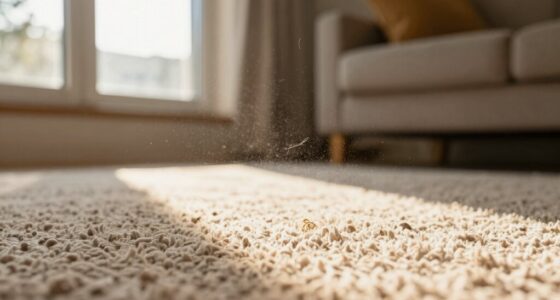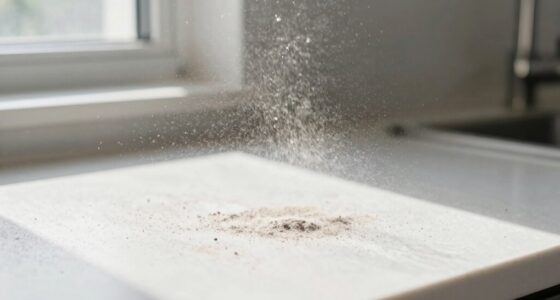
Fine dust quietly builds up indoors as it settles on surfaces and floats in the air, often without you noticing. It settles in corners, on furniture, and on textiles, slowly accumulating over time. Tiny particles are easily inhaled, affecting your respiratory health. Using air purifiers with HEPA filters and wiping surfaces with damp cloths help keep dust levels down. If you want to understand more about how this sneaky buildup affects your health, there’s plenty more to discover.
Key Takeaways
- Fine dust particles settle on surfaces silently, accumulating over time without noticeable signs.
- Indoor activities like walking or cleaning can stir up settled dust into the air.
- Poor ventilation traps dust indoors, allowing it to build up gradually.
- Dust can originate from outdoor pollution entering through windows and doors.
- Continuous use of unfiltered air circulation systems causes unseen dust accumulation.
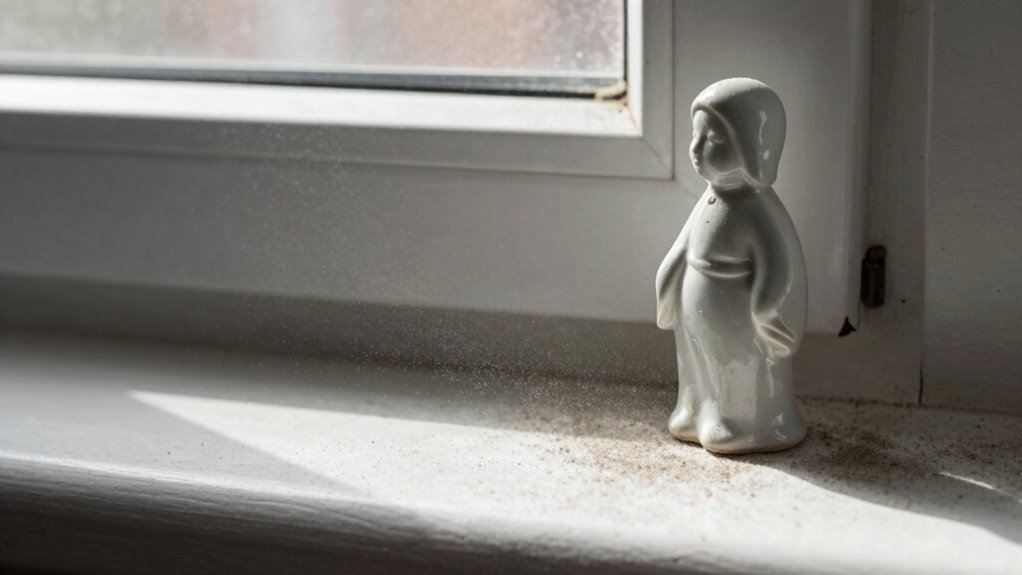
Fine dust often accumulates indoors quietly, even when you don’t notice it. It settles on surfaces, sneaks into corners, and lingers in the air, creating an invisible layer that impacts your health over time. Understanding how this dust builds up and what you can do about it is key to maintaining a cleaner, healthier environment. One of the most effective methods to combat indoor dust is through proper air filtration. Air purifiers equipped with HEPA filters can trap tiny particles that standard filters miss. These devices circulate indoor air, capturing fine dust particles before they settle on surfaces or get inhaled. Regularly running an air purifier, especially in high-traffic or dusty areas, considerably reduces airborne dust, making the air you breathe cleaner and fresher.
Alongside air filtration, dust prevention plays a critical role in keeping indoor spaces dust-free. Simple habits, like wiping down surfaces with a damp cloth, prevent dust from becoming airborne during cleaning. Avoid sweeping with a dry broom, which stirs up dust into the air. Instead, opt for vacuum cleaners with HEPA filters, which can trap fine dust and prevent it from escaping back into the room. You should also pay attention to textiles—curtains, rugs, and upholstery tend to trap dust particles. Regular washing and vacuuming these items help prevent dust buildup. Maintaining a low humidity level further reduces dust accumulation, as dust mites and mold thrive in damp environments. Using a dehumidifier can keep humidity levels in check, lowering the overall amount of dust and allergens in your home. Additionally, understanding the sources of indoor dust can help you identify specific areas to focus your cleaning efforts more effectively. Proper air quality management is crucial for reducing dust levels and improving overall indoor health. Regularly inspecting and replacing HVAC filters can also significantly contribute to controlling indoor dust and allergens. Keeping your home free from dust is a continuous process that benefits greatly from awareness of these dust control strategies.
HEPA air purifier for indoor dust
As an affiliate, we earn on qualifying purchases.
As an affiliate, we earn on qualifying purchases.
Frequently Asked Questions
How Often Should I Clean Indoor Surfaces to Prevent Dust Buildup?
You should clean indoor surfaces at least once a week to prevent dust buildup effectively. Establishing a consistent cleaning schedule helps keep dust prevention manageable and reduces allergens in your home. Focus on high-traffic areas and surfaces where dust accumulates quickly, like shelves and furniture. Regular dusting and vacuuming are key to maintaining a healthier indoor environment, especially in spaces prone to quiet dust buildup over time.
Can Indoor Plants Help Reduce Fine Dust Levels?
Indoor plants can help reduce fine dust levels because of their plant benefits, including dust absorption. As you place plants like spider plants or pothos in your home, they naturally trap airborne dust particles on their leaves, improving air quality. Plus, their presence adds humidity and aesthetic value. Regularly caring for your plants guarantees they stay healthy and effective at filtering dust, making your indoor environment cleaner and more comfortable.
What Are the Health Effects of Long-Term Fine Dust Exposure Indoors?
Long-term indoor fine dust exposure can turn your home into a sneezing, wheezing nightmare, crippling your respiratory health. Airborne allergens embed deep in your lungs, causing chronic coughs, asthma, and even lung damage over time. You might not notice it now, but persistent dust can silently erode your respiratory defenses. Protect yourself by minimizing dust buildup, as your lungs deserve a clean, healthy environment to breathe freely every day.
Are Air Purifiers Effective Against Fine Dust Accumulation?
Yes, air purifiers are effective against fine dust accumulation if you maintain them properly. Regular air purifier maintenance guarantees peak performance by replacing filters as needed. They target dust particles, especially those smaller than 2.5 micrometers, which are harder to remove. Choosing an air purifier with a HEPA filter helps trap these tiny dust particles, improving indoor air quality and reducing health risks associated with long-term exposure.
Does Humidity Level Impact Indoor Dust Accumulation?
It might surprise you, but humidity levels do impact indoor dust accumulation. When humidity is too high, dust mites thrive and contribute to dust buildup, making your space feel dirtier faster. Humidity control helps maintain a balanced environment, reducing dust mite populations and dust accumulation. Keeping humidity between 40-50% is ideal, preventing excess dust and improving air quality. So, managing humidity actively helps you stay ahead of indoor dust issues.

Shark Navigator Lift-Away Vacuum, HEPA, Carpet and Pet Hair, Blue, NV360
- Powerful Suction: Effective on carpets and hard floors
- Lift-Away Function: Detach for above-floor cleaning
- Pet Hair Removal: Specialized tools for pet hair
As an affiliate, we earn on qualifying purchases.
As an affiliate, we earn on qualifying purchases.
Conclusion
So, next time you ignore that faint layer of dust, remember—it’s not just dirt, but an invisible army slowly taking over your home. Before long, your indoor air could turn into a toxic fog so thick, you’ll need a submarine to breathe. Dust isn’t just a nuisance; it’s a silent invader plotting to turn your sanctuary into a hazardous wasteland. Stay vigilant, clean often, or risk losing your home to the relentless, sneaky buildup.
damp cloth microfiber cleaning cloth
As an affiliate, we earn on qualifying purchases.
As an affiliate, we earn on qualifying purchases.
As an affiliate, we earn on qualifying purchases.