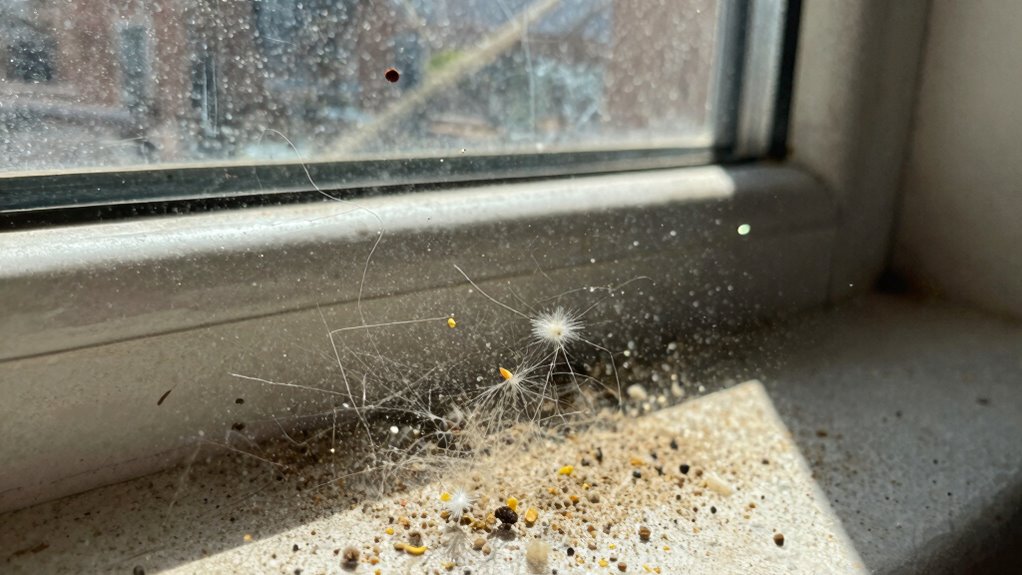

House dust isn’t just dirt; it’s a mix of skin flakes, hair, pet dander, pollen, and even tiny particles from household items. These components create a rich breeding ground for allergens and can seriously affect your health. Dust mites thrive in carpets and bedding, while mold spores can emerge in damp areas. Toxins from cleaners and microbes add to the mix as well. Want to uncover more surprising details about what’s in that dust? Keep exploring!
Key Takeaways
- House dust consists of skin flakes, hair, pollen, fabric fibers, soil, and microscopic debris from household items, creating a complex mixture.
- Common allergens in house dust include pet dander, pollen, mold spores, and dust mites, which can trigger allergic reactions and respiratory issues.
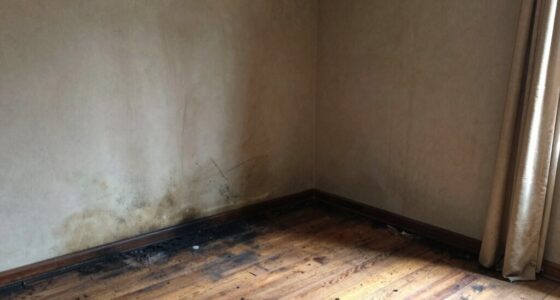
- Mold spores thrive in damp areas and can cause a range of health problems, including allergic reactions and infections.
- Regular cleaning routines and maintaining low indoor humidity can significantly reduce dust accumulation and improve indoor air quality.
- Advanced air filtration systems, like HEPA filters, effectively trap fine particles and allergens, enhancing the cleanliness of indoor environments.
The Composition of House Dust

What exactly makes up house dust? You might be surprised to learn that dust isn’t just dirt; it’s a complex mixture of particles. The origins of dust particles vary widely—skin flakes, hair, pollen, and fibers from fabrics all contribute. As you move around your home, you disturb these particles, witnessing their accumulation patterns. Dust gathers in corners, under furniture, and on surfaces, forming layers that can harbor allergens. Outdoor elements like soil and plant debris also find their way inside, adding to the mix. Even tiny fragments from household items, such as paint and insulation, can add to the dust you breathe in. Understanding these components can help you manage your indoor environment better. Additionally, color accuracy plays a significant role in ensuring that the air and atmosphere in your home remain visually appealing, influencing your overall well-being. Furthermore, the preservation efforts of traditional practices can inspire cleaner indoor environments that honor our connection to nature. Notably, regular cleaning can help reduce allergen accumulation, promoting a healthier indoor atmosphere. The presence of luxury fashion insights can also encourage a more mindful approach to selecting home textiles and furnishings that contribute to a cleaner living space.
Common Allergens Found in Dust

While you might not think about it, house dust can be a significant source of allergens that affect your health. The allergen distribution in dust often includes pet dander, pollen, mold spores, and dust mites. These allergens can vary in dust particle size, with smaller particles easily becoming airborne and inhaled, leading to respiratory issues. Even if you don’t have pets, dander can still linger in your home, while pollen can enter through open windows. Mold spores thrive in damp areas, and dust mites love warm, humid environments. When you clean, you’re not just removing dirt; you’re also disturbing these allergens. It’s important to note that high humidity levels can also promote the growth of mold spores, further exacerbating allergy symptoms. Additionally, maintaining a low humidity level can help reduce dust mite populations in your home. Understanding what’s in your dust can help you take steps to reduce exposure and improve your indoor air quality. Investing in the right air purifiers can significantly help in filtering out these harmful particles from your living space.
The Role of Skin Cells in Dust Accumulation

You probably don’t realize just how much skin you shed every day, contributing to dust accumulation in your home. Each tiny flake plays a significant role in creating a habitat for allergens, impacting your indoor air quality. Understanding this process can help you take steps to reduce dust and improve your living environment. Regular inspections of your home’s air quality can help identify potential dust accumulation sources and mitigate their effects. Additionally, maintaining clean fine rugs can significantly reduce the amount of dust and allergens that circulate in your space. Implementing gentle stretching exercises can also help reduce the amount of dust generated by promoting overall well-being. Furthermore, incorporating energy-efficient solutions in your home can lead to better air quality management. Moreover, regular cleaning and using saline solution can prevent buildup of allergens in your home environment.
Skin Shedding Process
As skin cells naturally shed from our bodies, they contribute considerably to household dust accumulation. This cell shedding is a vital part of the skin renewal process, where old cells are replaced by new ones. Every day, you lose millions of these microscopic particles, which mix with other debris in your home. You might not realize it, but this constant cycle is a significant source of the dust you clean off surfaces. The skin’s outer layer, the epidermis, is designed to constantly renew itself, ensuring your skin stays healthy. However, while this process is essential for your well-being, it also plays a major role in the dust that settles in your living spaces, reminding you that even your body contributes to your home’s environment. Additionally, the process of shedding skin cells can be seen as a reflection of continuous learning and adaptation, showing how our bodies evolve and respond to their surroundings. This renewal process parallels the insights gained from the 16PF personality test, which helps individuals understand their own traits and improve their interactions with others. Furthermore, just as architectural solutions can enhance the functionality of a space, understanding dust accumulation can help create healthier living environments. Incorporating eco-friendly practices in your home can also reduce allergens and improve overall air quality. Engaging in aquatic exercise can also support your skin health and overall well-being, further illustrating the connection between our bodies and the environments we inhabit.
Impact on Allergens
When skin cells shed and mix with household dust, they can markedly impact allergen levels in your home. These tiny particles, often less than 10 micrometers, play a significant role in allergen dispersal. As you walk around, dust particle size aids in lifting these skin cells into the air, which can then be inhaled. When this happens, allergens like pet dander, mold, and dust mites can trigger allergic reactions. You might not realize it, but it’s not just the visible dust that matters; the microscopic components, including skin flakes, can accumulate and exacerbate allergies. Keeping your home clean and reducing dust accumulation can help lower the chances of these allergens affecting your health.
The Impact of Pet Dander on Indoor Air Quality

Pet dander is a common source of indoor allergens that can substantially affect your air quality. Understanding where this dander comes from and its potential health effects is essential for maintaining a healthy home environment. You’ll also want to explore effective strategies to reduce its presence and improve your indoor air. Additionally, seasonal variations can influence the amount of dander present, making it important to prepare your home accordingly. Regular exposure to allergens can exacerbate respiratory issues, highlighting the need for effective cleaning methods. Providing comfortable dog beds for your pets can also help minimize dander by giving them a designated area to rest and shed less throughout your home. Moreover, ensuring that your home has high-protein breakfast options can contribute to better overall health, which may help mitigate the effects of allergens. Maintaining better indoor air quality is crucial for reducing the impact of these allergens on your health.
Sources of Pet Dander
How does pet dander find its way into your home? It often comes from your furry friends, as they shed tiny flakes of skin, saliva, and urine, all potential allergen sources. Even if you don’t have pets, visiting someone with them can lead to dander hitching a ride on your clothing or belongings.
Once inside, pet dander can cling to furniture, carpets, and even air ducts, circulating through your indoor air. This can make managing indoor air quality more challenging, especially if someone in your household is sensitive to allergens. Regular cleaning and grooming of pets can help minimize these particles, but it’s essential to be aware of how easily pet dander can infiltrate your living space.
Health Effects Overview
Ever wondered how pet dander affects your indoor air quality? The dust particle origins of pet dander contribute markedly to indoor pollution sources, leading to various health effects. Here are some impacts you might encounter:
- Allergies: Pet dander can trigger allergic reactions, causing sneezing, itching, and watery eyes.
- Asthma: For those with asthma, pet dander can exacerbate symptoms, making it harder to breathe.
- Respiratory Issues: Breathing in these tiny particles can lead to chronic respiratory problems, especially in sensitive individuals.
- Skin Irritations: Direct contact with pet dander may cause skin irritations or rashes.
Being aware of these effects can help you understand the importance of maintaining indoor air quality in your home.
Mitigation Strategies for Homes
To maintain a healthy indoor environment, it’s essential to implement effective strategies for mitigating pet dander. Start by vacuum cleaning your home regularly, using a vacuum equipped with a HEPA filter. This helps trap dander and prevents it from circulating in the air. Additionally, consider using air purification systems that can filter out allergens, including pet dander. These devices can considerably improve your indoor air quality. Don’t forget to wash your pet’s bedding and toys frequently, as they can harbor dander. Finally, establish a pet-free zone, like your bedroom, to give yourself a respite from allergens. By taking these steps, you’ll create a more comfortable and healthier living space for you and your family.
Pollen and Its Seasonal Contribution to Dust
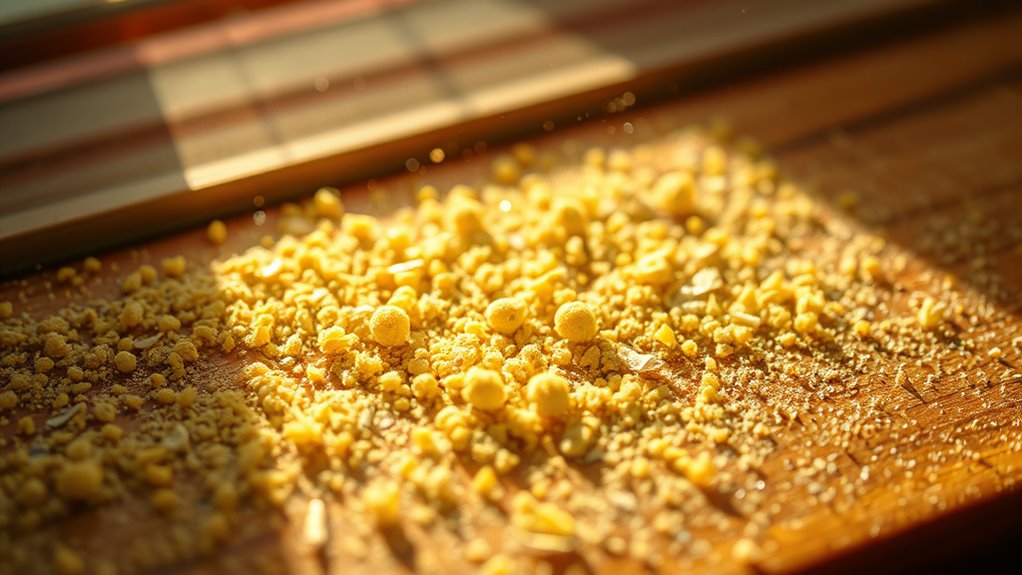
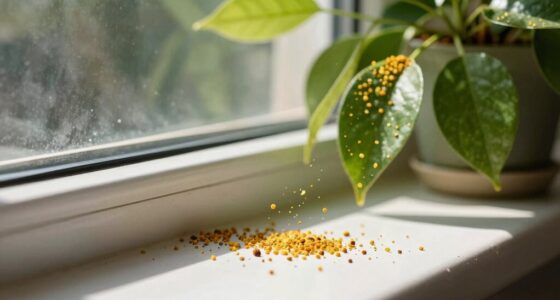
As the seasons change, pollen becomes a significant contributor to household dust, often sneaking in through open windows and on shoes. This seasonal pollen leads to dust accumulation that can affect your indoor air quality. Here are four key points to contemplate:
- Sources: Trees, grasses, and weeds release pollen at different times of the year.
- Allergens: Seasonal pollen can trigger allergies, affecting your comfort at home.
- Cleaning: Regular cleaning helps reduce dust accumulation from pollen.
- Prevention: Keeping windows closed during peak pollen times can minimize indoor dust.
Being proactive about these factors can help you maintain a cleaner and healthier home environment, free from excessive dust caused by seasonal pollen.

Mold spores can pose serious health risks, often lurking unnoticed in your home. You might not realize how they affect your respiratory health until it’s too late. Fortunately, there are effective prevention strategies you can implement to create a safer living environment.
Health Risks of Mold
While you might not see them, mold spores can pose serious health risks that often go unnoticed in your home. These airborne particles can infiltrate your living space, affecting your health in several ways. Understanding the risks associated with mold is vital for maintaining a safe environment. Here are four potential health effects:
- Allergic Reactions: Mold can trigger sneezing, runny noses, and itchy eyes.
- Respiratory Issues: Inhalation of mold spores may lead to asthma attacks or chronic coughing.
- Skin Irritation: Contact with mold can cause rashes or other skin problems.
- Infections: For immunocompromised individuals, mold exposure can result in serious infections.
Be aware of your home’s dust composition and take mold risks seriously to protect your health.
Prevention Strategies at Home
To keep your home safe from mold spores, it’s essential to adopt effective prevention strategies. Regularly clean your home to reduce dust accumulation rates, focusing on areas that often get overlooked. Use a damp cloth to trap dust particles, as smaller dust particle sizes can easily become airborne. Ensure good ventilation in your home, especially in damp areas like bathrooms and kitchens. Consider using a dehumidifier to maintain low humidity levels, as mold thrives in moisture. Seal any leaks in your roof or plumbing to prevent water intrusion, which can increase mold growth. Finally, inspect your home for mold regularly and address any issues immediately to keep your living space healthy and safe.
Dust Mites and Their Effect on Allergies

Have you ever wondered why your allergies flare up in your own home? Dust mites are often the culprits, and their allergens can trigger uncomfortable reactions. These microscopic creatures thrive in your bedding, carpets, and upholstery. To keep dust mite allergens at bay and guarantee mite infestation prevention, consider these strategies:
- Wash bedding weekly in hot water to eliminate dust mites.
- Use allergen-proof covers on pillows and mattresses.
- Maintain low humidity levels in your home; aim for below 50%.
- Vacuum regularly with a HEPA filter to capture allergens effectively.
Toxins and Chemicals Present in Household Dust

Even with the best efforts to control dust mites, your home can still harbor a surprising number of toxins and chemicals within household dust. The dust particle size plays a vital role in how these pollutants affect you; smaller particles can easily become airborne and enter your respiratory system. Common chemical pollutant sources include household cleaners, paints, and personal care products, all of which contribute to the toxic mix in your living space. Even items like furniture and carpets can release harmful compounds over time. Regular cleaning and using air purifiers can help reduce these hazardous substances, but it’s essential to remain aware of what’s lingering in your dust, as it can impact your health and well-being.
Bacteria and Viruses: The Microbial Aspect of Dust

While you may focus on cleaning surfaces and eliminating visible dust, it’s vital to recognize that household dust is also a breeding ground for bacteria and viruses. The microbial diversity in dust can contribute to various health issues, making it essential to understand what you’re dealing with.
Household dust isn’t just unsightly; it’s a hidden source of bacteria and viruses that can impact your health.
Here are four key points about the microbial aspect of dust:
- Bacterial Colonies: Dust harbors numerous bacterial species, some of which can be harmful.
- Viral Presence: Viruses can also be found in dust, potentially increasing the risk of infection.
- Fungal Spores: Alongside bacteria, dust may contain fungal spores that can trigger allergies.
- Allergen Reservoir: Dust acts as a reservoir for various allergens, affecting respiratory health.
Being aware of these factors can help you make informed decisions about your indoor environment.
Strategies for Reducing Dust and Improving Indoor Air Quality

To effectively reduce dust and improve indoor air quality, you need to adopt a proactive cleaning routine and implement specific strategies. Start by investing in high-quality air filtration systems, such as HEPA filters, which can trap fine particles and allergens. Regularly vacuum carpets and upholstery using a vacuum with a HEPA filter to prevent dust from recirculating. Establish a consistent cleaning routine that includes dusting surfaces weekly with damp cloths to minimize airborne particles. Don’t forget to wash bedding and curtains frequently, as they can harbor dust mites. Finally, consider reducing clutter to limit dust accumulation. By following these steps, you’ll create a healthier indoor environment and breathe easier in your home.
Frequently Asked Questions
How Often Should I Clean My Home to Reduce Dust?
You should clean your home at least once a week to effectively reduce dust. Regular vacuuming is essential—aim for a vacuum frequency of every few days if you have pets or allergies. This helps in dust mite prevention by removing their food sources, like dead skin cells. Don’t forget to dust surfaces and wash bedding regularly; this combined approach will keep your home cleaner and healthier for you and your family.
Can House Dust Contribute to Respiratory Diseases?
Absolutely, house dust can contribute to respiratory diseases. Think of it like a hidden villain lurking in the corners of your home. When you breathe in airborne allergens from dust, it can lead to respiratory irritation, making conditions like asthma worse. To protect yourself, keep your living space clean and well-ventilated. Regular dusting and vacuuming help minimize the buildup of these allergens, keeping your lungs happier and healthier.
Is House Dust Harmful to Children and Infants?
Yes, house dust can be harmful to children and infants. They’re more susceptible to allergen exposure, which can lead to respiratory problems. Dust mites, common in household dust, produce allergens that may trigger asthma or allergies in young ones. Keeping your home clean and reducing dust can help protect their health. Regular vacuuming and using air purifiers can minimize dust accumulation, creating a safer environment for your children.
What Are the Long-Term Effects of Dust Exposure?
Long-term exposure to dust can lead to respiratory issues and allergies. For instance, if you’ve got a child who’s frequently sneezing and coughing, it could be due to airborne allergens in household dust. Over time, these reactions can worsen, potentially causing asthma or chronic bronchitis. Plus, you might be exposed to harmful chemicals that accumulate in dust, which could affect overall health. Keeping your living space clean can help mitigate these risks.
Can Air Purifiers Effectively Reduce Dust Levels?
Yes, air purifiers can effectively reduce dust levels in your home. Their efficiency depends on the type of filter used and the size of dust particles. HEPA filters, for instance, capture particles as small as 0.3 microns, effectively trapping most common dust. Regularly running an air purifier in your living spaces can considerably improve air quality, making your environment healthier and more comfortable. Don’t forget to maintain it for peak performance!
Conclusion
In summary, house dust isn’t just a pesky nuisance; it’s a microcosm of allergens, toxins, and microbes that could rival a science experiment gone wrong! By understanding what’s lurking in your dust, you can take simple steps to improve your indoor air quality and protect your health. Regular cleaning, using air purifiers, and managing humidity can make a huge difference. Don’t let dust take control—kick it to the curb for a healthier, happier home!