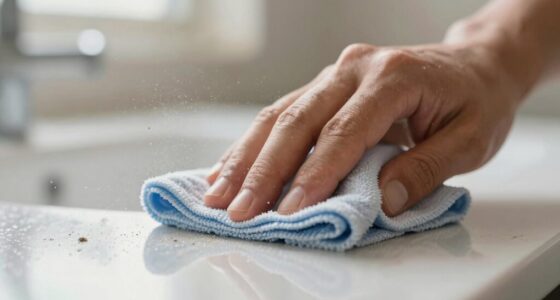
Your mattress becomes a dust reservoir because it continuously collects skin flakes, hair, pollen, pet dander, and microbes that settle into its fibers over time. Even with regular use, these particles accumulate, especially if you don’t clean or ventilate your bed often. Organic materials like sweat and dead skin also break down, adding to the dust. Keep going, and you’ll discover practical ways to reduce this build-up and improve your sleep environment.
Open a free Amazon Business account
Business pricing, bulk buying and tax-exempt orders.
As an affiliate, we earn on qualifying purchases.
Key Takeaways
- Mattresses trap skin cells, hair, and sweat particles that settle into their porous fibers over time.
- Organic materials in mattresses degrade, releasing tiny particles and fostering microbial growth.
- Humidity promotes microbial proliferation and dust mite multiplication within the mattress.
- Lack of regular cleaning, airing, and protective covers allows dust and allergens to accumulate.
- Dust mites feed on shed skin flakes and thrive in the dust-rich environment of uncleaned mattresses.

Have you ever wondered what’s lurking in the dust that accumulates on your mattress? Every night, as you sleep, your body sheds skin cells, hair, and sweat. These tiny particles settle into your mattress, creating a perfect environment for dust mites and bacteria to thrive. Over time, this buildup turns your mattress into a dust reservoir—an unseen collection of biological and environmental debris. The warm, moist conditions beneath your sheets provide an ideal habitat for these microscopic creatures, which feed on skin flakes and thrive in the dust. As they multiply, their waste products and shed body parts add to the dust layer, further attracting other allergens and microbes.
Your mattress isn’t just a passive surface; it’s a sponge that absorbs everything you bring into bed. From the oils in your skin to airborne pollen and pet dander, nearly everything in your environment can find its way into your mattress. Dust particles settle deep into the fibers, making it difficult to remove them completely with regular cleaning. Because of its porous nature, your mattress traps these allergens, which can cause respiratory issues, skin irritation, or worsen allergies and asthma. This accumulation is especially problematic if you don’t change or wash your bedding frequently. The longer you go without cleaning, the more dust and debris your mattress collects, creating a perfect breeding ground for bacteria and mold.
Your mattress acts as a sponge, trapping allergens and microbes that can harm your health.
Another factor that turns your mattress into a dust reservoir is the natural breakdown of organic materials within it. Over time, the materials used in mattress manufacturing—such as foam, cotton, or wool—degrade slightly, releasing tiny particles into the dust. In addition, the constant movement and pressure from sleeping break down fibers, adding to the dust buildup. This process accelerates if your mattress isn’t supported properly or if you keep it in a humid environment. Humidity draws moisture into the mattress, encouraging microbial growth and causing dust mites to multiply even faster. Additionally, the presence of dust mites can significantly impact indoor air quality and your health.
Finally, your habits considerably influence how much dust accumulates. If you don’t wash your bedding regularly, don’t use protective covers, or neglect to vacuum and air out your mattress, dust buildup accelerates. Smoking or living in a dusty environment introduces more particles into your sleeping space. All these factors combine to make your mattress a magnet for dust, allergens, and microbes, turning it into a reservoir that can impact your health over time. Regular cleaning, protective covers, and proper ventilation are your best defenses against turning your mattress into a persistent dust harbor.

HOSPITOLOGY PRODUCTS Mattress Encasement – Zippered Bed Bug Dust Mite Proof Hypoallergenic – Sleep Defense System – Queen – Waterproof – Stretchable – Standard 12" Depth – 60" W x 80" L
- Fits Queen Mattresses: Stretchable to 12-18 inch depth
- Waterproof Protection: Lab-tested, all-around waterproof barrier
- Breathable Comfort: Soft polyester knit fabric with waterproof membrane
As an affiliate, we earn on qualifying purchases.
As an affiliate, we earn on qualifying purchases.
Frequently Asked Questions
How Often Should I Replace My Mattress to Prevent Dust Buildup?
You should replace your mattress every 7 to 10 years to prevent dust buildup and maintain good sleep hygiene. Over time, mattresses accumulate dust, allergens, and bacteria that can affect your health. Regularly cleaning your mattress and using protective covers can help extend its lifespan, but it’s best to upgrade periodically. If you notice sagging, stains, or a decline in comfort, it’s time for a new mattress to guarantee a healthier sleeping environment.
Can Dust Mites Live in Memory Foam Mattresses?
Dust mites can indeed live in memory foam mattresses. Many believe that memory foam’s dense structure makes it less hospitable for mites, but they still find ways to thrive. You might think these mattresses are mite-proof, but that’s not entirely true. Regular cleaning, using allergen-proof covers, and washing bedding often can help reduce mite populations and keep your sleep environment healthier.
What Are the Health Risks Associated With Dust in Mattresses?
Dust in your mattress can cause allergies, asthma, and respiratory issues. When you breathe in dust particles, you might experience sneezing, coughing, or itchy eyes. Over time, exposure can worsen existing respiratory conditions or trigger new allergic reactions. People with sensitivities are especially vulnerable. Regular cleaning and using allergen-proof covers help reduce these health risks, ensuring a healthier sleep environment for you.
Do Mattress Covers Effectively Block Dust Accumulation?
Mattress covers can substantially reduce dust accumulation, blocking dust mites, pet dander, and allergens from settling into your mattress. They create a barrier, preventing dust from penetrating the fabric and reaching your sleeping surface. However, you must choose high-quality, tightly woven covers and wash them regularly. While no cover is foolproof, using one greatly minimizes dust buildup, helping you enjoy a cleaner, healthier sleep environment.
How Can I Tell if My Mattress Has Excessive Dust?
You can tell if your mattress has excessive dust by inspecting it closely. Look for a layer of fine, grayish or brownish particles on the surface or around the edges. You might also notice increased sneezing, coughing, or allergy symptoms when you’re in bed. If you see visible dust or experience allergy flare-ups, it’s time to clean thoroughly and consider using a mattress protector to reduce future buildup.

FEPPO Mattress Vacuum Cleaner, 16Kpa Bed Vacuum Cleaner with 253.7nm UV-C Light, 140°F Heat, HEPA Filter & Ultrasonic, Versatile Handheld Vacuums for Bed, Sofa, Couch, Crib(Corded, 500W)
- Powerful Deep Cleaning: 500W motor with 16kPa suction
- UV-C Disinfection: 253.7nm UV-C light for deep sterilization
- Ultrasonic Cleaning: 40,000Hz ultrasonic waves for thorough removal
As an affiliate, we earn on qualifying purchases.
As an affiliate, we earn on qualifying purchases.
Conclusion
So, next time you wonder why your mattress feels dusty, consider this: some say it’s just skin flakes and dust mites, but others believe your mattress secretly acts as a dust magnet, trapping everything in its fibers. While the truth isn’t crystal clear, one thing’s certain—you should regularly clean and protect your bed. Don’t let your mattress become a hidden reservoir for dust and allergens. Stay proactive and keep your sleep space fresh and healthy.

VOOPNU Air Purifiers for Home, High Efficiency Filter Up to 1076 Ft², White
- Effortless Operation: Intuitive control panel for easy use
- Compact Yet Powerful: Covers 1076 sq ft in a small size
- 360° Airflow & HEPA Filter: Surround intake with 99.97% pollutant removal
As an affiliate, we earn on qualifying purchases.
As an affiliate, we earn on qualifying purchases.
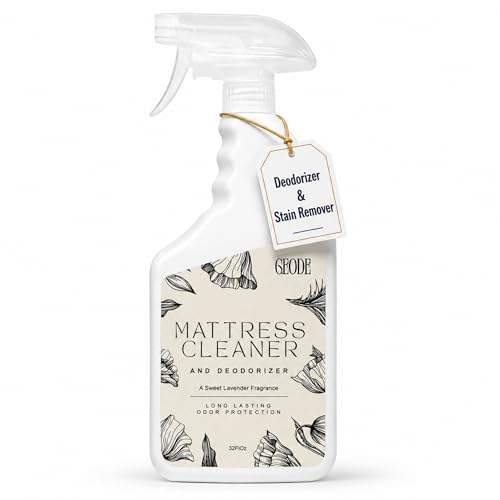
GEODE Mattress Cleaner & Deodorizer – Natural Enzyme Formula for Stain & Odor Removal, Sweet Lavender Aroma, Eco-Friendly & Non-Toxic, Safe for All Fabrics (32fl oz)
- Powerful Odor & Stain Removal: Eliminates body oils, sweat, spills, and smells
- Enzyme-Based Formula: Breaks down tough odors quickly
- Non-Toxic & Family Safe: Safe for kids, pets, and sensitive skin
As an affiliate, we earn on qualifying purchases.
As an affiliate, we earn on qualifying purchases.
College move-in / dorm season Picks
dorm essentials
As an affiliate, we earn on qualifying purchases.