To keep your home safe from carbon monoxide, install detectors near sleeping areas and on each floor, and test them monthly. Make sure appliances like furnaces, water heaters, and stoves are properly maintained and vented. Never block vents or use portable heaters or generators indoors. If you suspect a leak, evacuate immediately and call emergency services. Staying vigilant and following safety tips can protect your household — if you want to learn more, keep exploring the essentials.
Key Takeaways
- Install CO detectors near bedrooms and on each floor, testing monthly and replacing every 5-7 years.
- Ensure proper ventilation and regular maintenance of appliances like furnaces, water heaters, and stoves.
- Never use portable heaters or generators indoors or in enclosed spaces.
- Recognize symptoms of CO poisoning: headaches, dizziness, nausea, and evacuate immediately if suspected.
- Schedule annual inspections of heating systems and educate household members about CO safety measures.

Have you ever thought about how silent and deadly carbon monoxide can be? This invisible, odorless gas poses a serious threat to your household if not properly managed. Because you can’t see or smell it, many people only realize there’s a problem after symptoms like headaches, dizziness, nausea, or even worse, loss of consciousness occur. That’s why understanding the basics of carbon monoxide safety isn’t just smart; it’s essential for protecting everyone in your home.
Carbon monoxide is silent, deadly, and odorless—stay vigilant to protect your home and loved ones.
First, you need to recognize the common sources of carbon monoxide. It’s produced when fuels like gas, oil, wood, or charcoal burn incompletely. Appliances such as furnaces, water heaters, stoves, fireplaces, and generators are typical culprits. If any of these devices are malfunctioning or vented improperly, carbon monoxide can accumulate indoors. It’s imperative to ensure these appliances are well-maintained and regularly inspected by professionals. Keep an eye out for warning signs like soot around appliances or an unusual smell, which can indicate incomplete combustion and potential CO buildup.
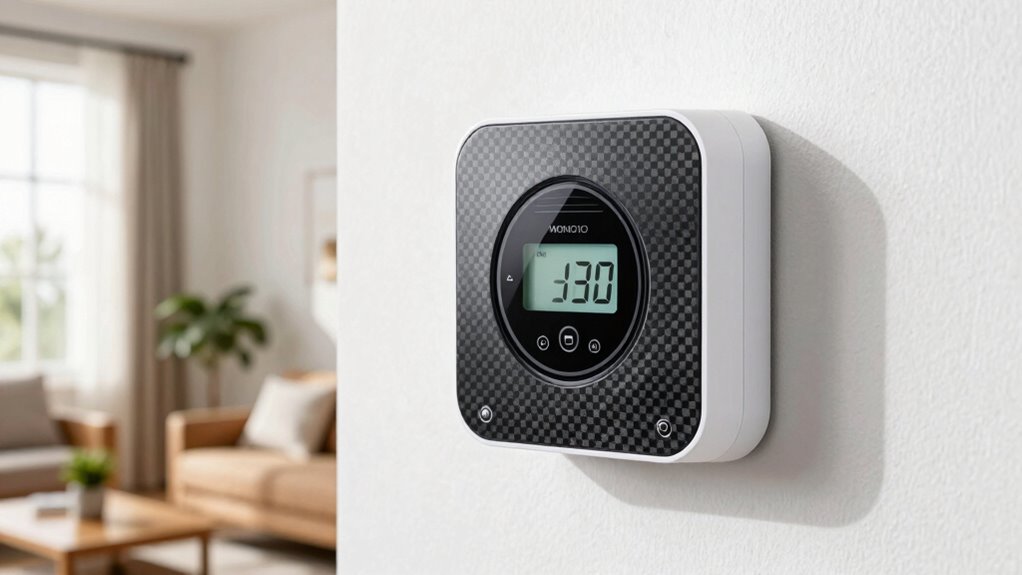
Installing carbon monoxide detectors is one of the most effective ways to stay safe. Place detectors near sleeping areas and on each floor of your home, especially in rooms with fuel-burning appliances. These devices can alert you early enough to evacuate and seek help before CO levels become dangerous. Remember, detectors don’t last forever—replace the batteries at least once a year and the units every five to seven years, or according to the manufacturer’s instructions. Test them monthly to guarantee they’re functioning properly.
In addition to installing detectors, practice good ventilation. Never block vents or chimneys, and avoid using portable heaters or generators indoors or in enclosed spaces. If you suspect a carbon monoxide leak, leave the building immediately and call emergency services from a safe location. Do not attempt to find or fix the source yourself unless you’re qualified; CO leaks can escalate rapidly. Proper maintenance of appliances further reduces the risk of dangerous emissions.
Finally, make it a habit to schedule annual inspections of your heating systems and appliances. Proper maintenance not only prolongs their lifespan but also minimizes the risk of dangerous emissions. Educate everyone in your household about the symptoms of CO poisoning and the importance of quick action. By staying vigilant, maintaining your appliances, installing detectors, and practicing safe habits, you take critical steps to keep your home safe from this silent threat. Remember, being proactive saves lives.
Frequently Asked Questions
How Often Should I Replace My Carbon Monoxide Detectors?
You should replace your carbon monoxide detectors every 5 to 7 years. Regularly test them monthly to make sure they’re working properly, and change the batteries at least once a year or if you hear a low-battery chirp. If your detector is more than 7 years old, it’s best to replace it immediately. Doing so keeps your home safe and guarantees the detector’s accuracy in alerting you to danger.
Can Carbon Monoxide Leaks Occur With Gas Appliances Off?
A stitch in time saves nine, and that’s true for carbon monoxide leaks too. Yes, leaks can happen even with gas appliances off, often from faulty vents, blocked chimneys, or residual gas buildup. You should always be vigilant, ensuring your detectors are functioning properly and having appliances inspected regularly. Even when off, appliances may still emit CO if there’s a hidden leak, so stay alert and prioritize safety.
Are There Signs of Carbon Monoxide Poisoning to Watch For?
Yes, you should watch for signs of carbon monoxide poisoning, such as headaches, dizziness, weakness, nausea, confusion, and shortness of breath. If you or your family experience any of these symptoms, especially if they improve when you leave the home, get outside immediately and seek medical attention. Install a carbon monoxide detector to alert you early, and make sure your appliances are regularly maintained to prevent leaks.
Is It Safe to Use a Generator Indoors?
Using a generator indoors is definitely not safe. It’s like summoning a dragon in your living room—dangerous and reckless. Generators produce carbon monoxide, a silent killer, which can quickly accumulate in enclosed spaces. Always operate your generator outside, at least 20 feet away from windows and doors. Install carbon monoxide detectors inside your home to catch any leaks early. Safety should be your top priority to prevent poisoning and make certain everyone stays safe.
What Should I Do if My Carbon Monoxide Alarm Sounds?
If your carbon monoxide alarm sounds, act immediately. Move everyone outside to fresh air without delay, and call emergency services. Do not ignore the alarm or try to find the source yourself. Ventilate your home if safe, but prioritize getting everyone to a safe place. Stay outside until professionals confirm it’s safe to re-enter. Your quick response can prevent serious health issues or fatalities.
Conclusion
Now that you know the essentials, you’re practically a carbon monoxide superhero, ready to save your home from the sneakiest invisible threat! With just a few simple precautions, you can keep your family safe from this silent, deadly menace. Think of it as your superpower—protecting loved ones from harm that’s more dangerous than a villain in disguise. Stay vigilant, stay safe, and become the hero your home deserves. Your safety is worth more than a thousand superpowers!