TL;DR

Get health and wellness essentials delivered free — and shop member deals
- Fast, free delivery on millions of items
- Access to Prime Big Deal Days deals on October 6–7
- Prime Video, Amazon Music and more included
A special issue of the Journal of Applied Gerontology brings together 12 studies on disasters and older adults in the U.S., Puerto Rico and China. The research examines risks before, during and after emergencies, including disrupted health care, caregiving and daily routines, as well as factors that can support preparedness and recovery.
A special issue of the Journal of Applied Gerontology brings together 12 studies examining how disasters affect older adults before, during and after emergencies, with findings spanning the U.S., Puerto Rico and China. The research looks beyond immediate injuries to how chronic illness, care needs, repeated hazards and disrupted support systems can shape older adults’ risks and recovery.
The issue, titled Complex Emergencies and the Effect on Older Populations, covers several types of hazards and care settings, from older adults living at home to residents of assisted living communities and nursing homes. Its studies examine how factors including childhood adversity, extreme heat, air pollution and losses that accumulate after hurricanes can affect outcomes later in life.
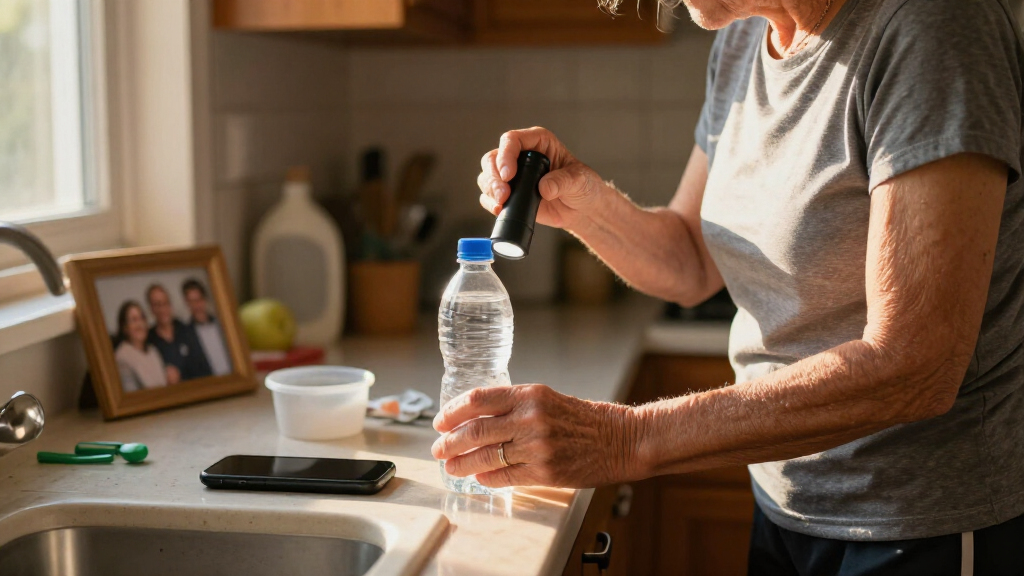
The research also reports that disasters can interrupt essential health services beyond the areas most directly hit. Older adults who have experienced earlier emergencies and routinely manage chronic conditions may still lack plans for continuing care during a crisis. That can mean difficulty obtaining medications, keeping medical equipment operating or staying in contact with health care providers.
The issue identifies possible supports, including resilience, self-efficacy, reliable information and strong caregiving relationships. Its editors and authors call for disaster planning to be built into routine clinical care, stronger preparation and staffing in long-term care settings, regulations that reflect facilities’ different risks, and more community programs, particularly in rural areas.
Care Needs Shape Disaster Readiness
The findings matter because older adults’ ability to cope with an emergency can depend on arrangements made well before a warning is issued. A plan that does not account for medications, powered medical equipment or continuity with clinicians may leave care vulnerable even when a person has lived through disasters before.
Risks also extend beyond an individual’s health. Emergencies can interrupt caregiving relationships, familiar routines and social connections, while facilities and health services face their own staffing and operational pressures. The special issue argues for preparedness that links health care, emergency management, long-term care, home care and community support rather than treating each as separate.
These are research findings and recommendations, not a single assessment of every older adult or facility. The studies cover different hazards and populations, so their implications will vary by location, health needs and available services.
As an affiliate, we earn on qualifying purchases.
Research Across Hazards and Care Settings
The Medical Xpress report, published October 2, describes the special issue as a collection of 12 studies addressing the effects of complex emergencies on older populations. The work spans geographic settings in the U.S., Puerto Rico and China and examines both community-living older adults and people receiving care in residential facilities.
The report frames disaster risk as the interaction of hazards with existing conditions and support systems. It notes that repeated or overlapping emergencies can create additional challenges when communities have not recovered from earlier events. The studies also consider longer-term effects, including psychological impacts when disasters sever routines and relationships, rather than focusing only on immediate physical danger.
“Motivation alone is not enough.”
— Lindsay Peterson, special issue editor and researcher at the University of South Florida School of Aging Studies
emergency preparedness kits for older adults
As an affiliate, we earn on qualifying purchases.
As an affiliate, we earn on qualifying purchases.
Limits of the Reported Findings
The available report summarizes the special issue but does not provide detailed results, methods or effect sizes for each of the 12 studies. It is therefore not possible from this account alone to compare the size of risks across hazards, locations or care settings, or to determine which preparedness measures had the strongest measured effects.
The report also does not specify how widely the findings apply across older adults with different health conditions, incomes, living arrangements or access to care. Its recommendations identify areas for action, but the account does not establish how quickly organizations will adopt them or what resources implementation would require.
As an affiliate, we earn on qualifying purchases.
Applying Findings to Preparedness
The special issue is intended to inform researchers, health care providers, emergency planners, long-term care organizations and families. The next steps identified in the report include incorporating disaster planning into routine clinical care, building preparedness capacity in assisted living and nursing homes, and expanding community programs, especially in rural areas.
The report does not announce a specific policy deadline or implementation plan. Further detail on individual studies and any resulting changes to local preparedness plans will be needed to show how the research translates into practice.
disaster preparedness supplies for elderly
As an affiliate, we earn on qualifying purchases.
As an affiliate, we earn on qualifying purchases.
Key Questions
What is the new development?
The Journal of Applied Gerontology has published a special issue containing 12 studies on complex emergencies and older populations.
Which places and hazards do the studies cover?
The studies span the U.S., Puerto Rico and China, and examine several hazards, including extreme heat, air pollution and hurricanes, as well as losses that build after disasters.
What risks does the report identify?
It describes possible disruptions to medications, medical equipment, health care access and caregiving, along with effects on routines, relationships and psychological well-being.
What supports does the special issue identify?
The report points to reliable information, resilience, self-efficacy and strong caregiving relationships, and calls for coordinated planning across health care, emergency management, long-term care and communities.
Do the findings establish which preparedness measures work best?
The Medical Xpress summary does not provide study-by-study methods or comparative effect estimates. It reports recommendations, but does not identify a single measure as the most effective across all settings.
Source: rss
Cold & flu season Picks
humidifiers
As an affiliate, we earn on qualifying purchases.